How to Order Hair Samples: Color Matching & Quality Checks
A hair sample can prevent the most expensive kind of mistake: choosing extensions that look beautiful in a product photo but disappear into the wrong shade, feel too heavy for the client’s natural hair, or behave differently after the first wash. When you order hair samples, you are not simply checking color. You are assessing whether a supplier’s quality, processing, and finish match the result you want to wear or create.
For a client planning a transformation, samples make the consultation more precise. For an extension artist or salon, they are a practical quality-control step before committing to stock or a larger order. The most useful sample is one evaluated in real light, with clean hands, clear questions, and realistic expectations.
What a hair sample should tell you
A good sample should help you understand four things: the shade, the texture, the quality of the hair fiber, and the way it has been prepared. These details are connected, but they should be checked separately. A color can be right while the texture is not. A soft first touch can be convincing, while the behavior after washing tells a different story.
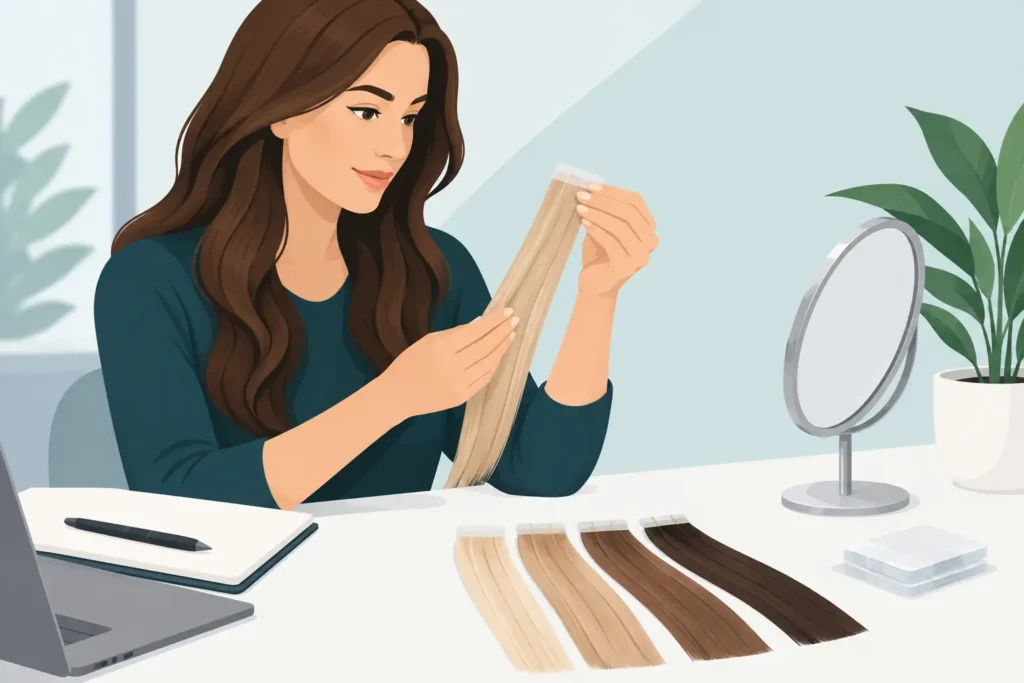
Start with the visual match. Hold the hair against the mid-lengths and ends of natural hair, not only at the roots. Roots are often deeper, while lengths may be lightened by sun, styling, or previous color services. For extensions, a slightly dimensional blend is usually more convincing than a single flat shade. If your hair has visible warmth or coolness, look for it in the sample rather than judging only by the number or color name.
Then assess the texture. Straight hair, soft waves, and more pronounced natural movement react differently to humidity, heat styling, and the client’s own pattern. A sample will not predict every detail of wear, but it can reveal whether the hair is naturally compatible or likely to require daily styling to blend.
Finally, inspect the ends and the body through the length. Premium hair should feel balanced from top to bottom, with a density that supports a polished result without looking bulky at the attachment area. Run your fingers down the strand and observe whether the hair moves freely. Do not rely on shine alone. Heavy surface coatings can make hair feel unusually slick at first, so a more meaningful assessment includes washing and drying the sample when possible.
How to order hair samples for an accurate match
The best sampling request begins with a clear purpose. Are you trying to match your own color for keratin extensions? Are you comparing tape hair, wefts, or bulk hair for salon work? Are you building a consistent palette for a professional clientele? The answer determines which samples are worth ordering.
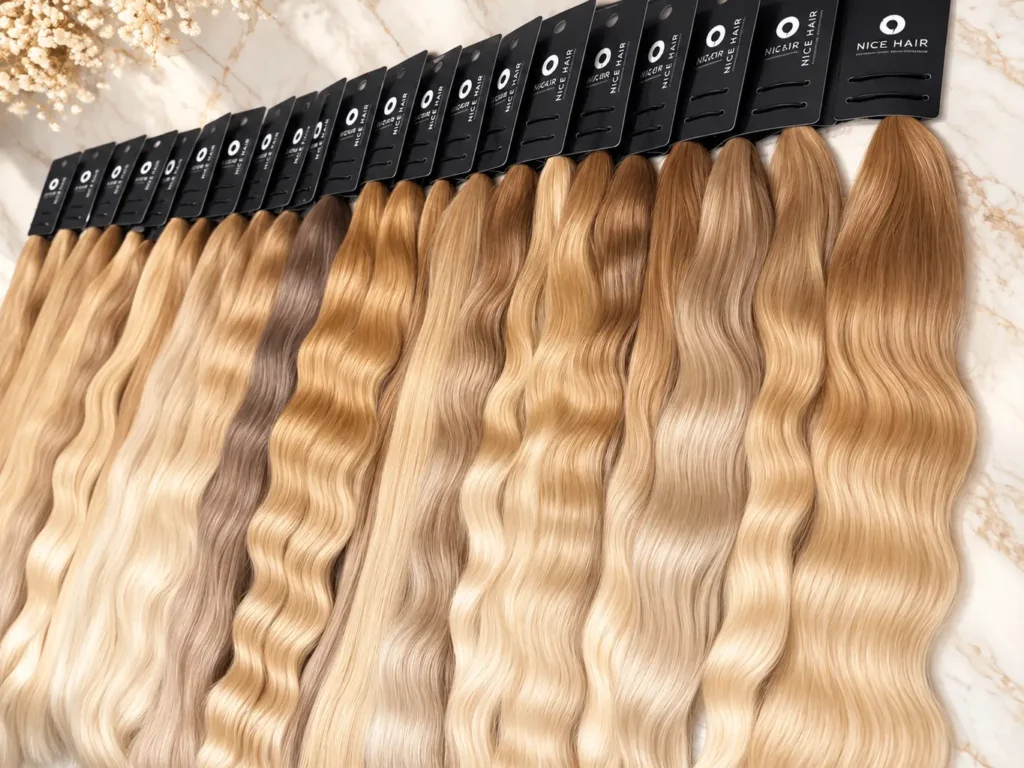
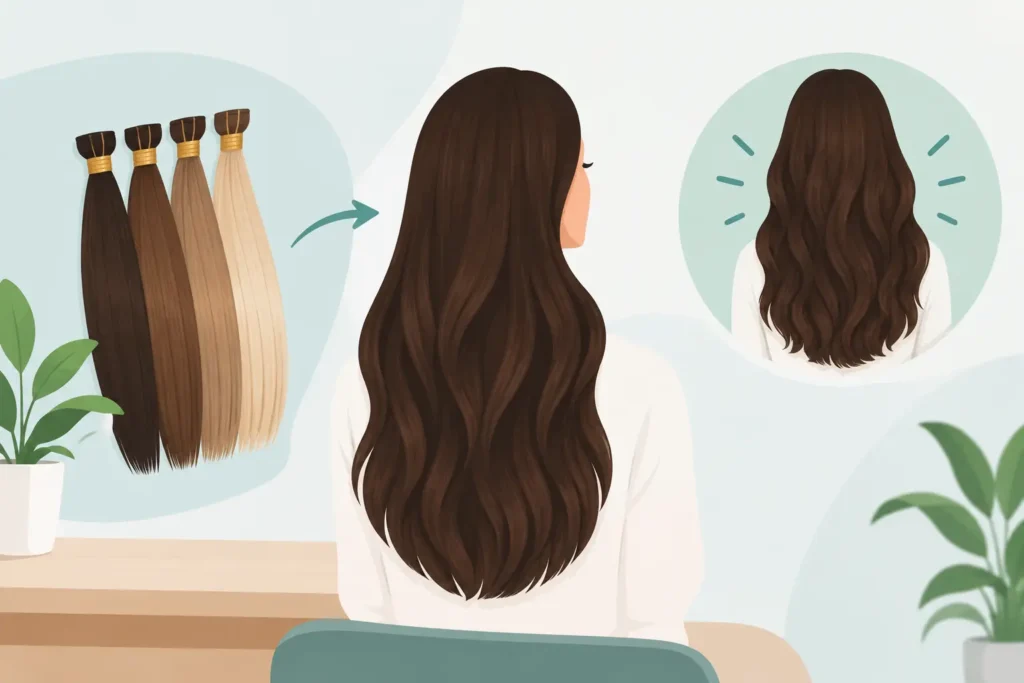
For a personal extension appointment, choose the two or three shades closest to your natural mid-lengths, plus one option that is half a level lighter or deeper if your color has dimension. A stylist can use this comparison to place a custom blend rather than forcing one shade across the entire head. This is especially helpful with blonde, ash, beige, and brunette tones, where a small difference in warmth can be visible in direct sunlight.
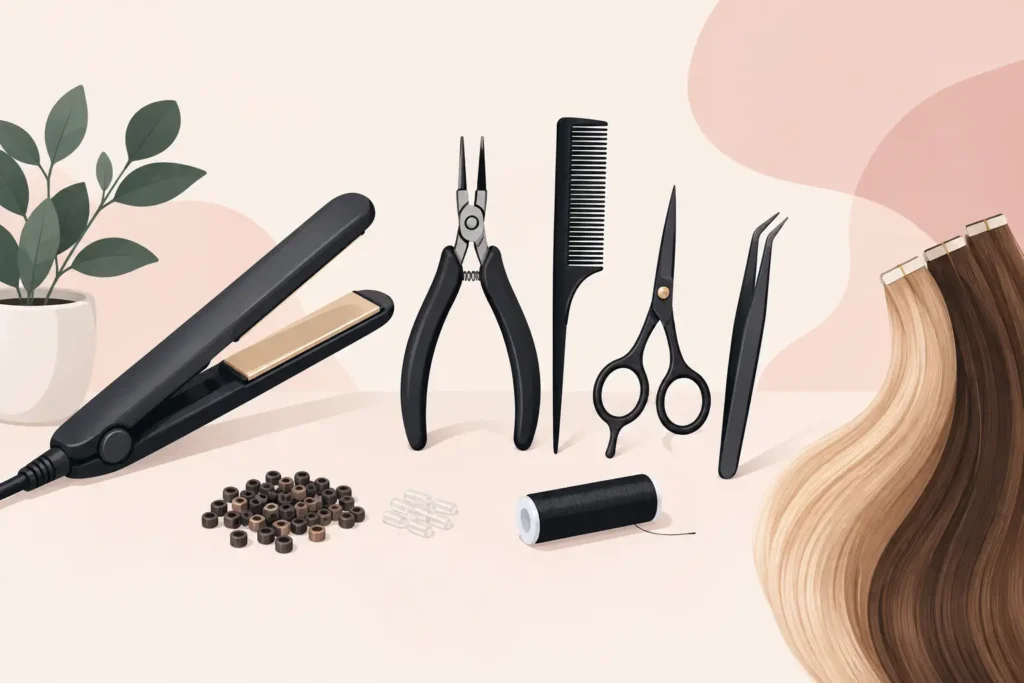
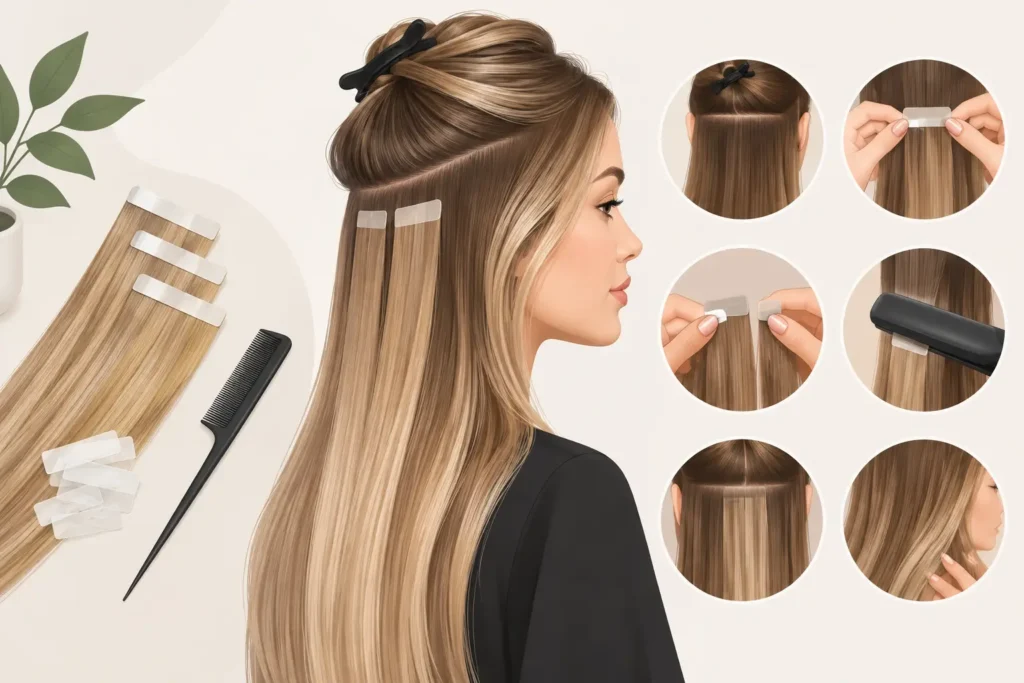
For professional purchasing, request samples across the shades and formats you use most often. It is wise to compare a light blonde, a neutral brunette, a dark shade, and any signature tones your clients request regularly. If you work with multiple extension methods, ask for samples that reflect each construction. Hair quality matters, but so do the attachment details: keratin bond size, tape flexibility, weft construction, and consistency of the finished piece.
When sending photos for guidance, use daylight near a window and avoid filters, flash, or heavily colored indoor lighting. Photograph the hair down, from the back, with the length visible. A second photo taken outdoors in open shade can reveal undertones that a mirror selfie hides. A knowledgeable consultant can narrow the options, but a physical sample remains the more reliable final check.
How to Request Human Hair Extension Samples From a Supplier
Before requesting hair extension samples, prepare a short description of your needs. Include the hair type, preferred texture, color or shade reference, desired length, and extension format, such as bulk hair, keratin bonds, tape-ins, or wefts.
If you are purchasing for a salon, explain your expected order volume and whether you need samples for color matching, quality testing, or evaluating a new supplier. Ask whether physical samples or color swatches are available, what they cost, and whether sample shipping is offered to your country.
Before confirming the request, clarify whether the sample represents the same hair category and production specifications as a future full order. This helps you make a more informed purchasing decision and reduces the risk of comparing products that are not equivalent.
Choosing the right hair before placing a larger order starts with understanding your options. NICE HAIR produces natural human hair in Russia and works with international customers and hair extension professionals. If you’d like to compare shades, textures, or hair categories before purchasing, contact our international team on WhatsApp to ask about available samples, color references, and ordering conditions.
Check samples in more than one light
Bathroom lighting can make blonde hair appear warmer, while cool office light can make brown shades look gray. Review samples in daylight, in your regular indoor environment, and near the place where you usually style your hair. The goal is not to find a shade that looks perfect under one lamp. It is to find one that continues to blend naturally as the lighting changes.
If you are matching a client with highlights, separate the natural hair into its dominant base tone and its lighter pieces. Often, the most refined result comes from combining two shades instead of searching for one exact all-over match. This is where samples become a design tool rather than a simple color card.
Questions to ask before placing a larger order
A sample should come with information, not just a strand in an envelope. Ask about origin, selection, processing, and whether the sample represents the same quality standard as the production order. A supplier should be able to explain how hair is sourced, sorted, colored, and assembled without vague promises.
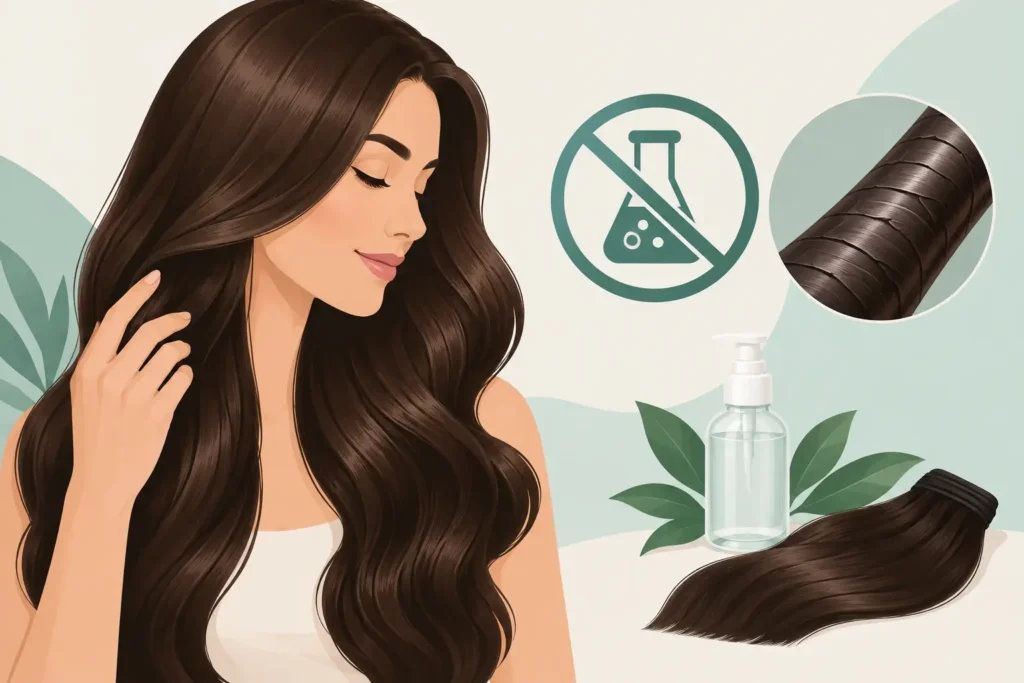
When evaluating premium Slavic human hair, ask whether the specific selection is untreated virgin hair or has been professionally colored or lightened. Virgin hair has not undergone chemical color or texture treatments, while processed human hair can still be high-quality when its treatment history and condition are clearly explained. The relevant question is not whether every strand has an identical history. It is whether the supplier is transparent about processing and protects the hair’s integrity throughout it.
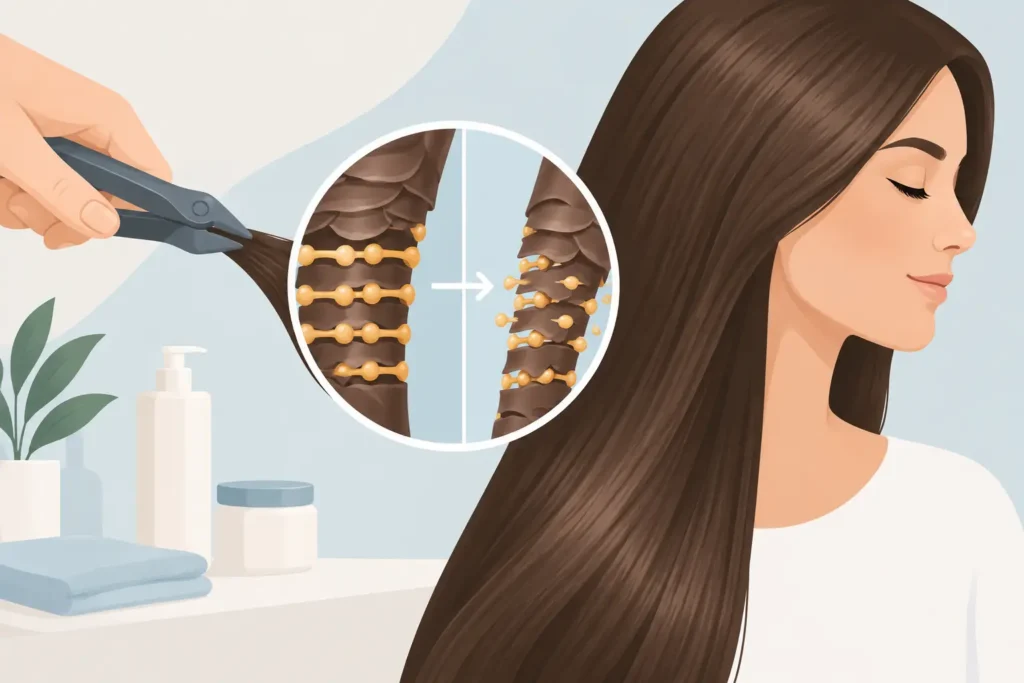
Ask whether the cuticles are aligned in one direction and how the hair is handled during production. Alignment supports smoother movement and helps reduce unnecessary friction. Also ask whether the sample is from the same batch or standard as the hair you will receive. For salons, this question matters even more: a beautiful sample has limited value if future orders cannot maintain similar texture, color behavior, and finish.
Before making a wholesale purchase, ask the supplier to confirm the sample’s specifications in writing. These may include the hair category, length, shade code, texture, weight, construction type, and processing history. Keeping this information alongside the physical sample makes future comparisons more reliable, especially when you are ordering different batches or building a consistent salon inventory.
NICE HAIR combines experience in natural hair production and professional hair extensions. When selecting hair for a salon or personal use, our team can help explain available hair categories, shades, textures, and preparation options. For repeat professional purchases, it is important to confirm color references, product specifications, and consistency requirements before placing a new order.
Test the hair gently, then realistically
Treat a sample with care, but do not be afraid to evaluate it. Comb it from the ends upward with a suitable brush. Lightly mist and restyle it if the supplier permits. For professional testing, wash the sample with a gentle shampoo appropriate for the hair type and the supplier’s care instructions, then allow it to air-dry or blow-dry at a moderate temperature. Observe how the hair feels and behaves after washing, keeping in mind that a single wash may not remove all conditioning agents or surface coatings.
You are looking for consistent behavior, not a dramatic performance. Does the hair remain soft without becoming overly fluffy? Does it return to a natural pattern after drying? Are the ends still refined? Does the tone stay balanced? Hair extensions are meant to become part of a routine, so the sample should be judged in conditions close to real life.
There is one trade-off to keep in mind. A very small sample can reveal shade and surface feel, but it cannot fully show density, installation comfort, or long-term maintenance. For those decisions, rely on a consultation, a clear recommendation on grams and length, and realistic guidance based on your natural hair density. Fine hair may need more discreet bonds and a carefully distributed volume, while thicker hair may need additional weight to create a believable blend.
From sample to a natural-looking result
Once you have chosen the right sample, keep it with the client record or bring it to the appointment. It becomes a useful reference if your natural color changes, if you are planning a refresh, or if you need to reorder. For artists, labeled samples create a faster, more confident consultation process and reduce avoidable shade errors.
The right hair extension supplier should make it easier to evaluate quality, choose suitable shades, and plan future orders with confidence. Whether you’re sourcing natural human hair for a salon or exploring a new supplier for professional extension work, NICE HAIR can help you discuss suitable hair categories, lengths, textures, and purchasing options. Contact our international sales manager on WhatsApp to explore available options before making your next purchase.
Frequently Asked Questions About Hair Extension Samples
How can I order human hair extension samples before buying?
To request human hair extension samples, contact the supplier with your preferred hair type, shade, length, texture, and extension format. Explain whether you need the samples for personal color matching or professional quality testing. Before placing an order, confirm sample availability, pricing, shipping conditions, and whether the sample represents the same specifications as the hair you intend to purchase.
What should I check when testing hair extension samples?
Start by evaluating color, texture, cuticle alignment, density, and the condition of the ends. Compare the sample under different lighting conditions and observe how the strands move. If testing is permitted, wash and dry the hair to assess its behavior beyond the initial surface finish. A small sample provides useful information but cannot fully predict long-term extension performance.
Can I use hair samples to match my natural hair color?
Yes, physical hair samples can help you compare extension shades with your natural hair more accurately than photographs alone. Hold the sample against your mid-lengths and ends in natural daylight, then check it in indoor lighting. If your hair contains highlights or multiple tones, you may need to combine more than one shade for a seamless blend.
What is the difference between a hair color swatch and a quality sample?
A hair color swatch is primarily intended to demonstrate a specific shade, while a quality sample should allow closer evaluation of the actual hair fiber, texture, preparation, and sometimes the extension construction. Color swatches may be too small to assess durability or behavior after washing. For professional purchasing, ask whether the supplied sample accurately represents the product you plan to order.
Can salons request wholesale hair extension samples before a large order?
Many professional hair suppliers offer sampling options, although availability, minimum quantities, pricing, and shipping conditions vary. Salons should request samples that reflect the hair categories, shades, and extension formats they intend to purchase. Before committing to a larger order, confirm product specifications, processing information, and whether future batches can be matched against the approved sample.

Certified hair extension stylists with 14+ years of experience. Own production of virgin Slavic hair, 10,000+ bundles in stock, salon in Dubai. Specialization: keratin extensions, ethical sourcing Russia & CIS, cold color technology.