When you first touch silicone-coated hair extensions, they feel like absolute perfection—smooth, glossy, and impossibly soft. But that initial “wow factor” might be setting you up for a serious disappointment down the road.
If you’ve ever bought hair extensions that looked incredible in the packet but started tangling, matting, or feeling dry after the first wash, there’s a very good chance they were coated in silicone.
What Are Silicone-Coated Hair Extensions?
Many hair extensions on the market—at all price points—are treated with a silicone coating during manufacturing. This coating makes the hair feel incredibly smooth, soft, and shiny straight out of the packaging.
Think of silicone as hair’s equivalent of a photo filter—it makes everything look flawless at first glance, but it’s not telling the whole story.
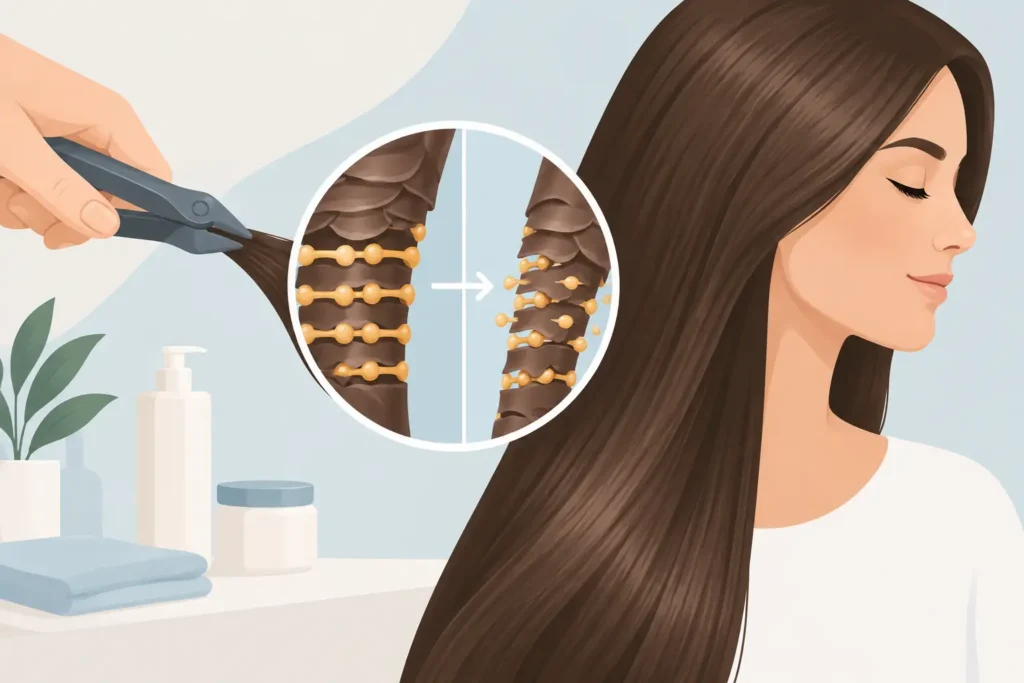
Silicones are synthetic polymers that form a thin, invisible coating around each hair shaft. There are two main types used in hair products:
Non-water-soluble silicones | Create a persistent coating that requires sulphates or clarifying shampoos to remove; common in commercial extensions |
| Water-soluble silicones | Rinse out easily with water alone; lightweight and don’t cause significant buildup |
Why Are Silicones Used in Hair Extensions?
Manufacturers use silicone coatings to create instant visual appeal. The benefits they claim include:
- Instant smoothness and softness
- High-gloss shine
- Frizz control
- Easier detangling
- Heat protection
And yes, silicone does deliver these benefits — temporarily. The coating reduces friction, prevents tangles, and enhances shine and manageability. But these benefits come with a hidden cost.
The Problem with Silicone-Coated Extensions
Moisture Barrier
Non-water-soluble silicones create a “plastic-like film” that blocks moisture, air, and nutrients from penetrating the hair.
⬤ Leads to dryness, brittleness, and dull shine.
Temporary Effect
Silicone-coated extensions are a short-term illusion. After 3–6 washes, the silicone strips off, revealing the true condition of the hair — often lower-grade and dry.
Once the coating is gone, tangling and matting begin. Extensions that seem perfect on day one often degrade within weeks.
Tangling Nightmare
When silicone coatings wear off unevenly, the hair loses its protective barrier in patches. This creates areas of varying texture and friction, leading to tangling and matting.
Natural oils have been stripped during processing, leaving hair defenseless without its silicone coating.
Heat Damage
When exposed to high temperatures from flat irons or curling wands, silicone can diffuse and break down.
Choosing Better: What to Look For
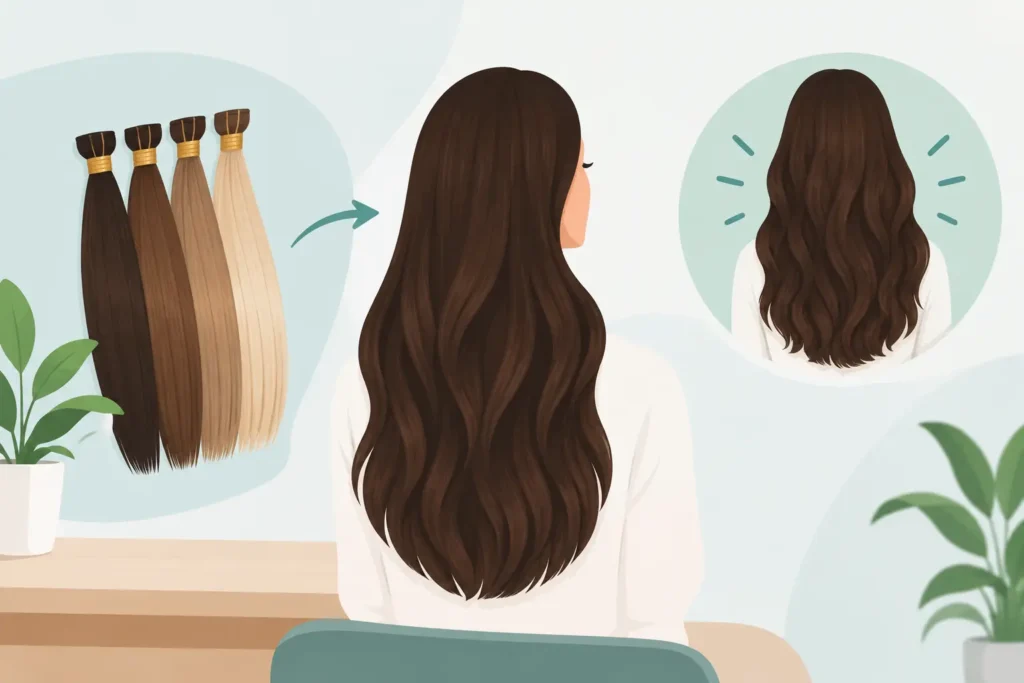
When buying hair extensions, look for:
- Silicone-free claims from reputable brands
- Natural texture that feels slightly textured, not artificially slippery
- Cuticle-intact hair — quality extensions should have properly aligned cuticles that maintain their texture through hundreds of washes
- “100% human hair” isn’t enough — many extensions labelled this way are still silicone-coated. Always ask the brand directly
Conclusion
Silicone coatings in hair extensions are a classic case of “too good to be true.” While they deliver instant visual appeal, they ultimately mask lower-quality hair and create long-term problems with moisture, tangling, and durability. By learning to recognize the signs of silicone coating and choosing brands that don’t use them, you can invest in extensions that truly deliver on quality—from the first day to the hundredth wash.
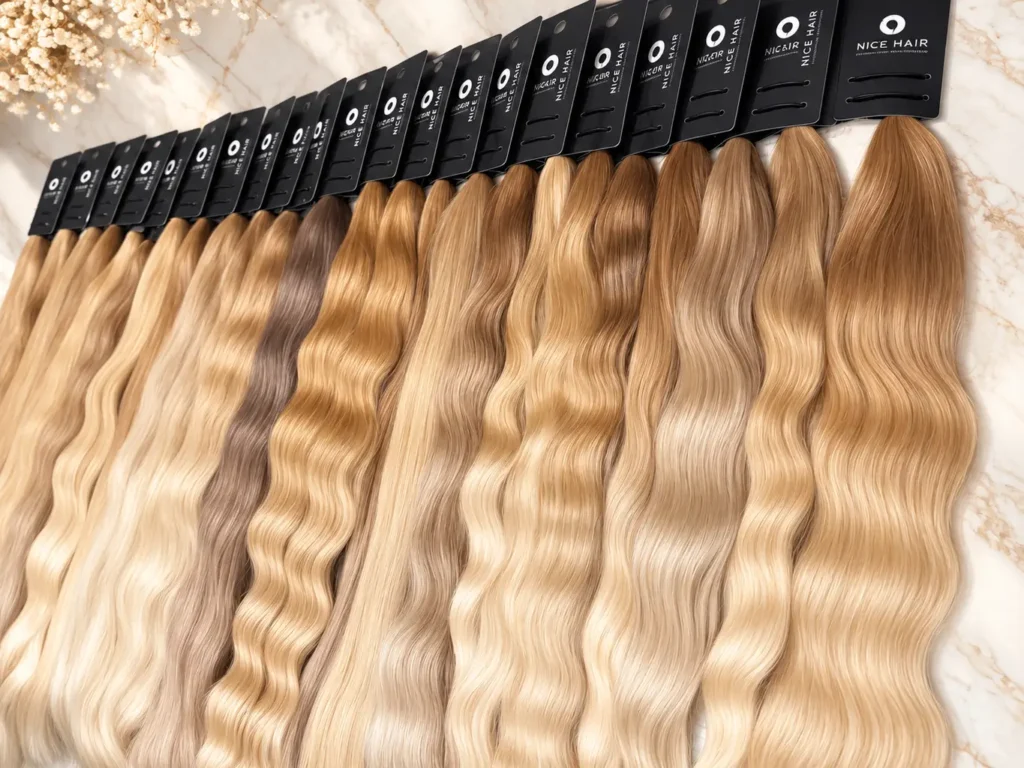
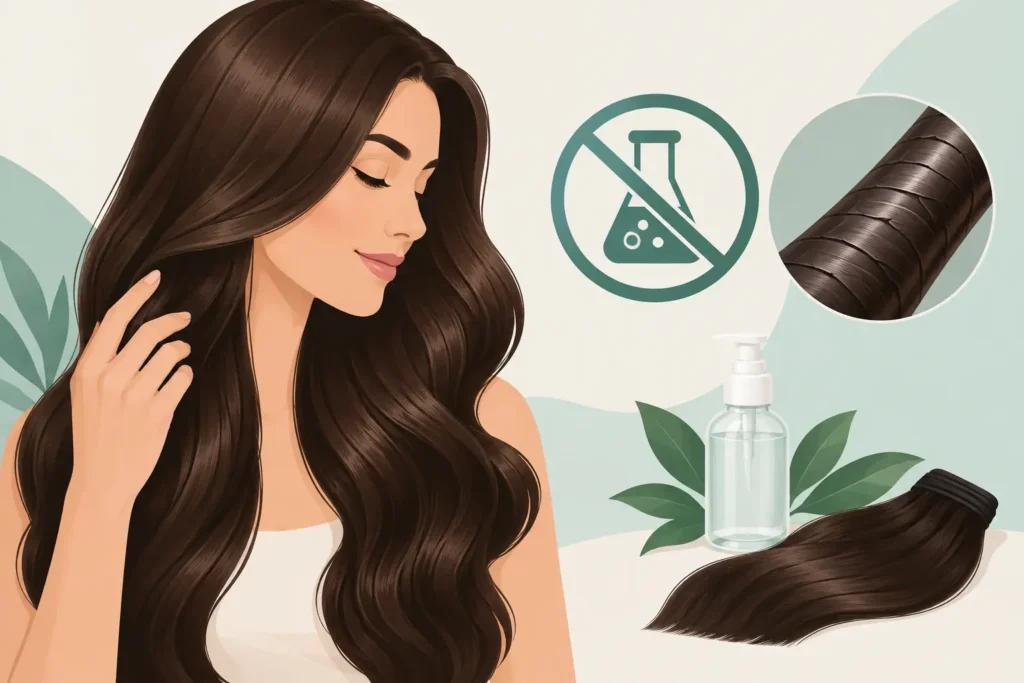
At Nice Hair, we take a different approach. Our hair is never treated with silicone or any chemical coatings. We work exclusively with natural human hair that is gently washed with shampoo and conditioner, then air-dried naturally — without heat, without fillers, and without shortcuts. This preserves the integrity of the cuticle, keeping it intact and properly aligned, just as nature intended.
Certified hair extension stylists with 14+ years of experience. Own production of virgin Slavic hair, 10,000+ bundles in stock, salon in Dubai. Specialization: keratin extensions, ethical sourcing Russia & CIS, cold color technology.