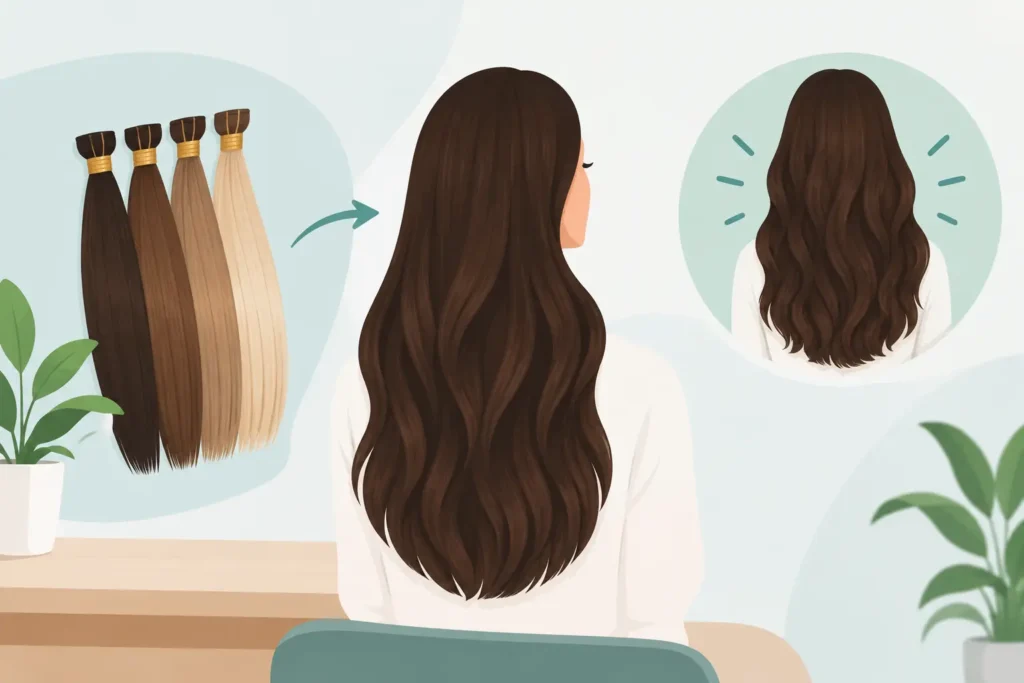
A beautiful extension result begins long before the appointment. It begins with a real answer to a simple question: where did this hair come from, and how was it handled? Ethical human hair extensions are not defined by a label alone. They depend on transparent sourcing, respectful purchasing practices, careful processing, and a professional who selects hair for your natural texture rather than forcing a one-size-fits-all solution.
For clients, that transparency brings confidence. For stylists and salons, it protects the quality of every installation. The difference shows in how the hair behaves after washing, coloring, styling, and months of wear.
What Ethical Human Hair Extensions Actually Mean
Ethical sourcing means the supplier can explain the origin of the hair and the standards used to purchase it. The donor should knowingly agree to sell or cut their hair, receive fair compensation, and be treated with respect throughout the process. Hair should not enter the supply chain through coercion, deception, or unclear collection methods.
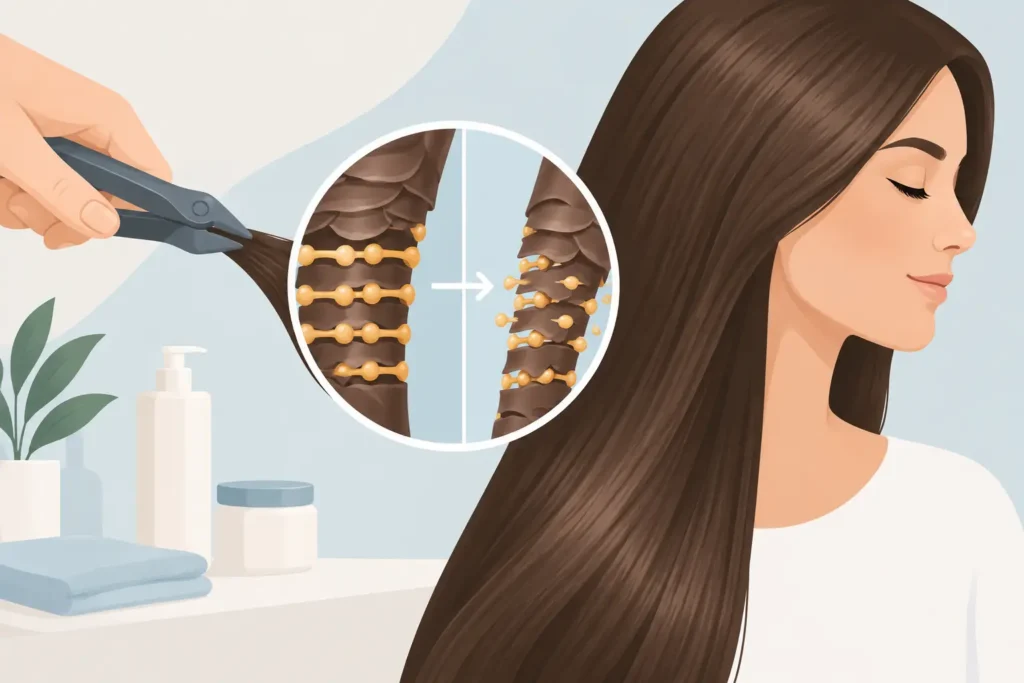
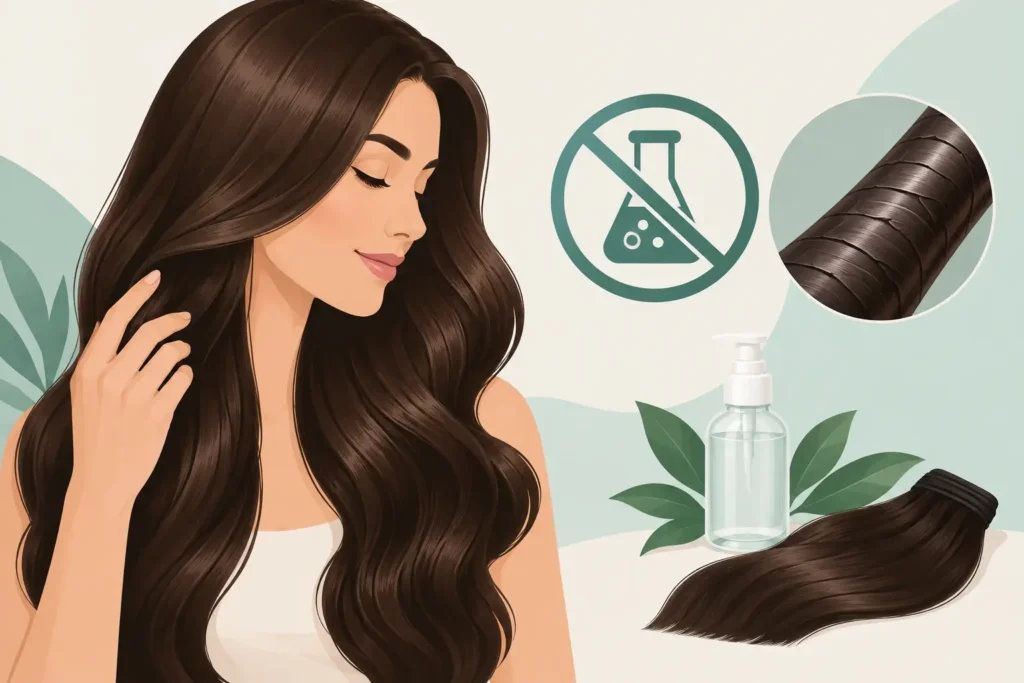
That is the human side. The technical side matters just as much. Premium hair should be sorted by texture, length, and direction before it becomes wefts, tapes, keratin bonds, or other extension formats. When the cuticle direction is preserved, the hair lies more naturally, reflects light evenly, and is less likely to tangle or mat.
The phrase “ethical” should never be used as a shortcut for “expensive.” A higher price can reflect fair sourcing, skilled handwork, responsible processing, and tighter quality control, but price alone does not prove any of those things. What proves them is a supplier’s willingness to be specific.
Why Traceability Changes the Final Result
Traceability is often discussed as a values issue, and it is. It is also a performance issue. Hair with a known origin is easier to assess accurately for density, porosity, natural color, and texture. That gives a stylist a stronger starting point for a blend that looks believable in daylight, not only in the salon mirror.
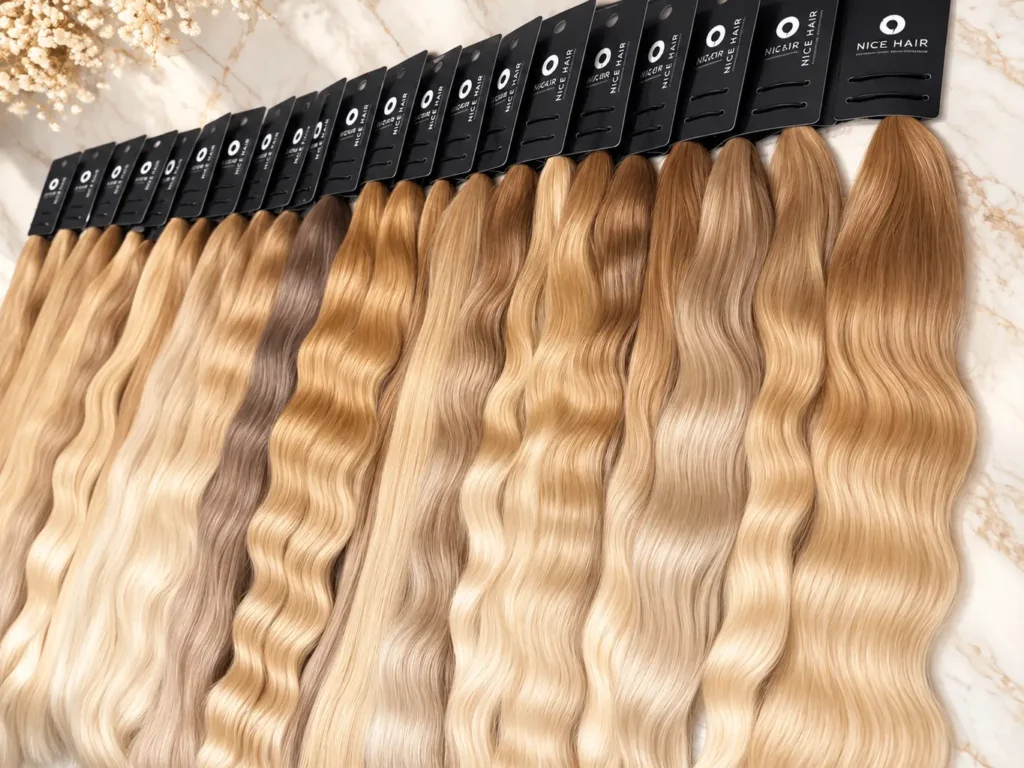
Virgin Slavic hair is valued for its naturally fine-to-medium texture, soft movement, and range of understated tones. Yet “Slavic” should describe a genuine sourcing category, not a vague marketing phrase. Hair sold under this name may vary significantly in origin and treatment. The right question is not whether a label sounds premium. It is whether the company can explain its sourcing, sorting, and processing clearly.
At NICEHAIR, control of the chain begins with ethically selected raw hair from Russia and CIS countries, then continues through hand production, cold coloring, and final quality inspection. That continuity matters because the people who select the raw material understand how it will later be transformed into extension hair and installed on a client.
The Questions Worth Asking Before You Buy
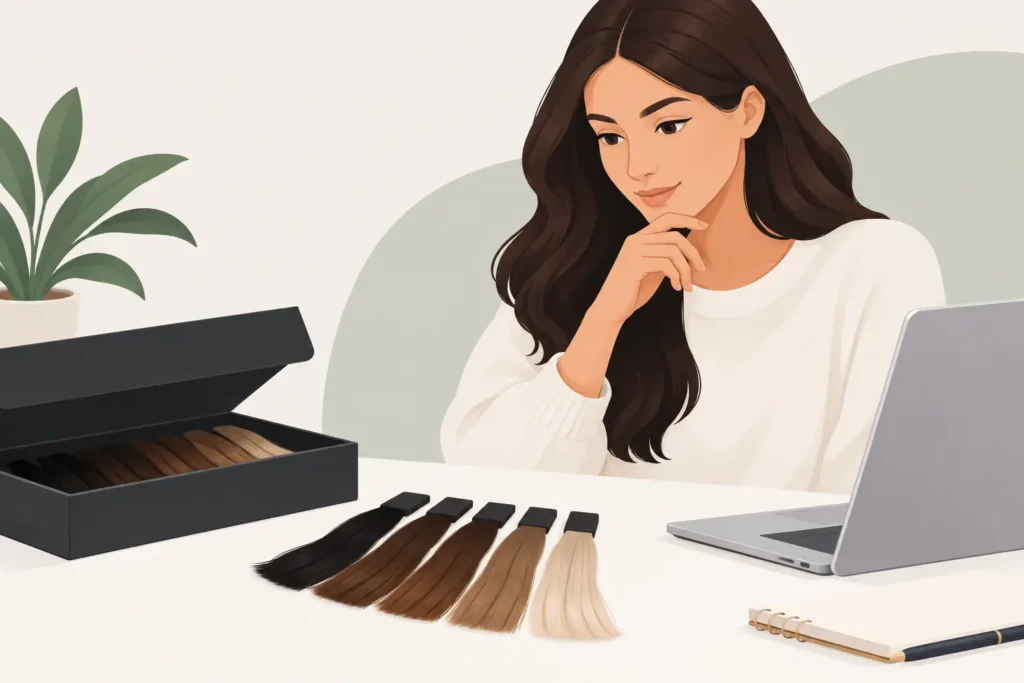
You do not need to become a hair-sourcing expert before choosing extensions. You do deserve direct answers. A responsible salon, manufacturer, or online seller should be comfortable discussing where its hair comes from, whether it is virgin or previously processed, and how it is prepared for wear.
Ask whether the hair is collected with donor knowledge and consent. Ask whether the supplier works directly with its sourcing network or buys from multiple intermediaries without documentation. Ask how the hair is colored, whether the cuticle is aligned, and whether silicone coatings are used to create temporary shine.
Silicone is not automatically a sign of poor quality. It can be used in limited ways during processing. The concern is when a heavy coating disguises dry, over-processed hair that feels smooth only for the first few washes. Clear explanations are more valuable than absolute claims.
You can also ask how the brand handles mismatched color, texture concerns, or product defects. Ethical responsibility should continue after the sale. For salon services, this includes a clear consultation, realistic expectations, aftercare guidance, and a defined approach to adjustments or guarantees.
Ethical Sourcing Does Not Replace Skilled Installation
Even exceptional hair can disappoint if the installation is rushed or poorly matched. Ethical human hair extensions must be paired with an ethical approach to service: one that protects the client’s own hair, respects comfort, and does not recommend more weight or length than the natural hair can support.
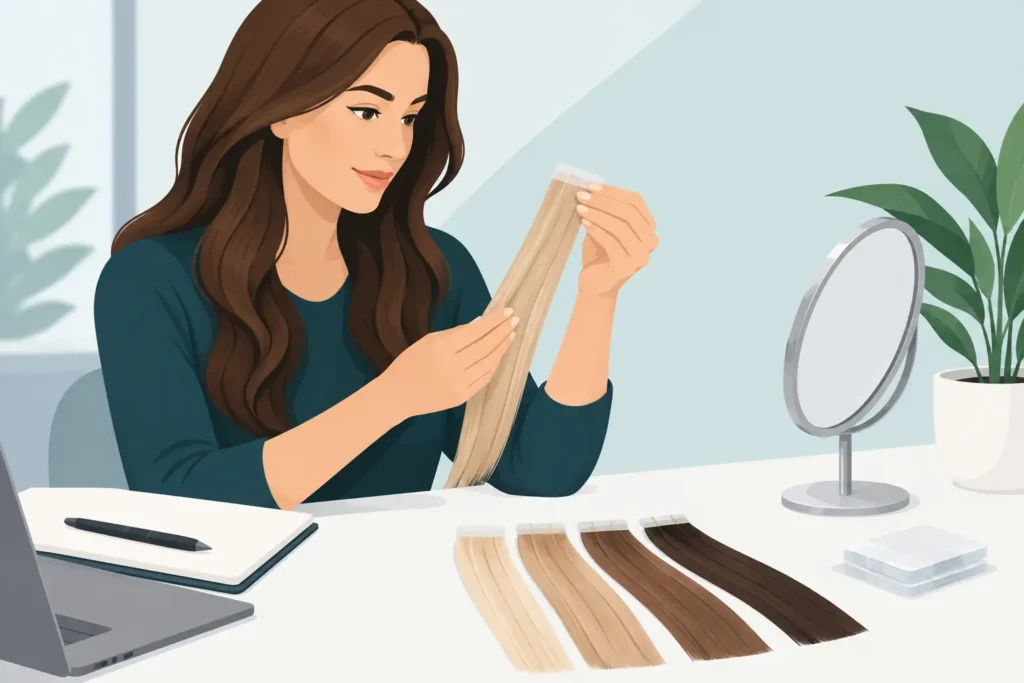
A proper consultation considers your density, scalp sensitivity, existing color, daily styling habits, and goals. Someone who wears their hair in a high ponytail, trains frequently, or swims regularly may need a different placement pattern and care routine than someone seeking occasional volume for events.
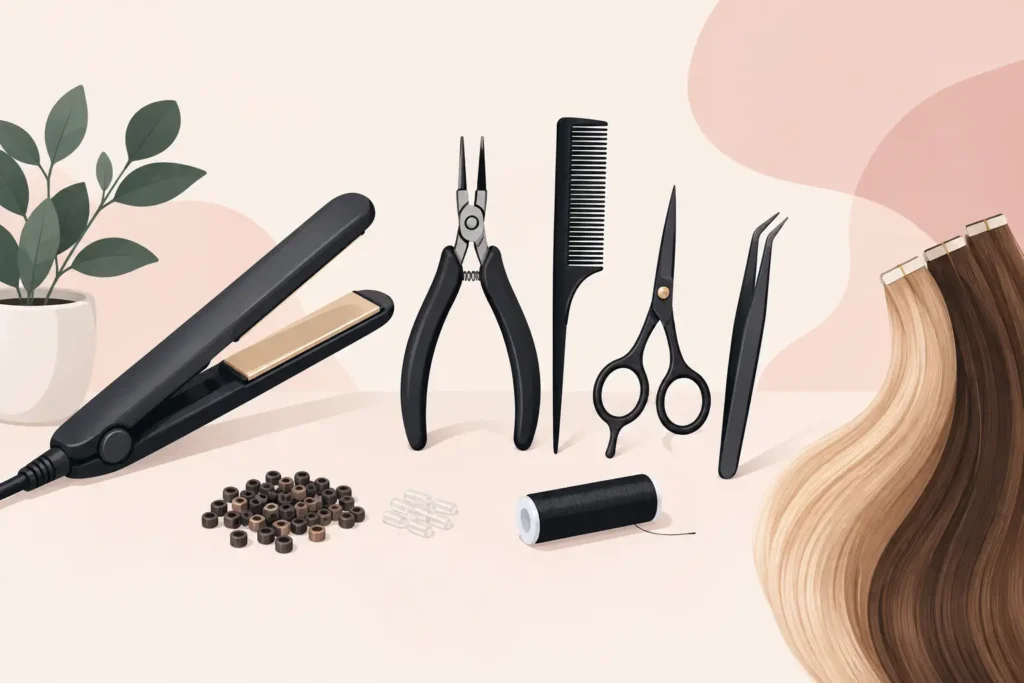
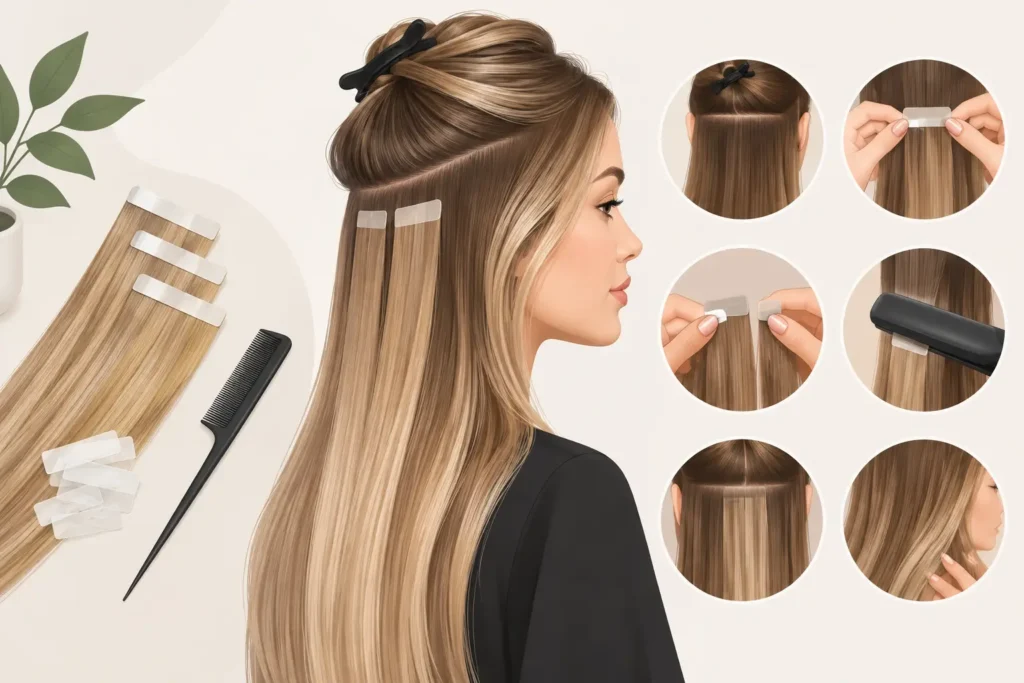
Hot keratin extensions can offer a highly discreet, flexible result when the bonds are customized in size and placement. They are not automatically the best choice for every person. Tape-ins may be more practical for some lifestyles, while wefts or other formats can suit particular density goals. The method should follow the condition of your natural hair, not the inventory a salon wants to sell.
This is where a broad assortment is meaningful. A studio that works with multiple extension formats can make recommendations based on fit. A supplier with only one format may still offer quality hair, but its solution will naturally be narrower.
Processing With Respect for the Hair
Raw hair is not ready for installation the moment it is collected. It must be cleaned, sorted, aligned, and prepared. The question is how much processing is required to create a consistent, wearable result without compromising the hair’s integrity.
Cold coloring is often preferred for premium extensions because it allows color refinement with more control and less aggressive exposure than certain high-heat methods. Still, any coloring changes hair to some degree. A very light blonde, for example, requires more work than a natural brown and may need more attentive care over time. Transparency means acknowledging that trade-off rather than promising identical longevity across every shade.
Handmade preparation also makes a visible difference. Carefully formed keratin bonds, even strand distribution, clean weft construction, and accurate length sorting improve comfort and help the hair blend naturally. These details take time, which is one reason responsibly made extensions should not be compared only by the price per gram.
How to Care for Extensions Responsibly
Choosing ethically sourced hair is the first step. Caring for it well helps you honor the material, protect your investment, and keep your own hair healthy. Extensions are not difficult to maintain, but they are not maintenance-free.
Use professional products suited to your extension method, brush gently from the ends upward, and keep conditioner away from keratin bonds or tape attachments unless your stylist advises otherwise. Dry attachment points thoroughly after washing. Before bed, make a loose braid or low ponytail to reduce friction, and never sleep with wet hair.
Heat styling is possible with natural human hair, but moderation preserves softness and color. Apply heat protectant to the lengths, avoid direct heat on bonds, and choose a temperature that matches the hair’s condition. Blonde and color-treated extensions generally benefit from a gentler routine than darker, less processed shades.
Regular maintenance appointments are part of responsible wear. Your stylist can check the bonds, remove naturally shed hairs that collect near attachment points, and spot early signs of tension or dryness. If you feel persistent pulling, scalp discomfort, or unusual tangling, do not wait for your next scheduled visit. Ask for an assessment.
A Better Standard for Beauty Purchases
There is no single universal certification that settles every ethical question in the human-hair industry. Supply chains can be complex, terminology is often inconsistent, and standards vary between regions. That is exactly why transparency must be practical, detailed, and ongoing.
Choose a provider that can explain its process without vague promises. Look for hair that is matched thoughtfully, installed conservatively, and supported with honest aftercare. The most luxurious result is not simply longer hair. It is hair that feels like yours, wears comfortably, and comes with a story you are comfortable being part of.
When you sit down for a consultation, bring your questions. A true professional will see them not as a challenge, but as the beginning of a better result.
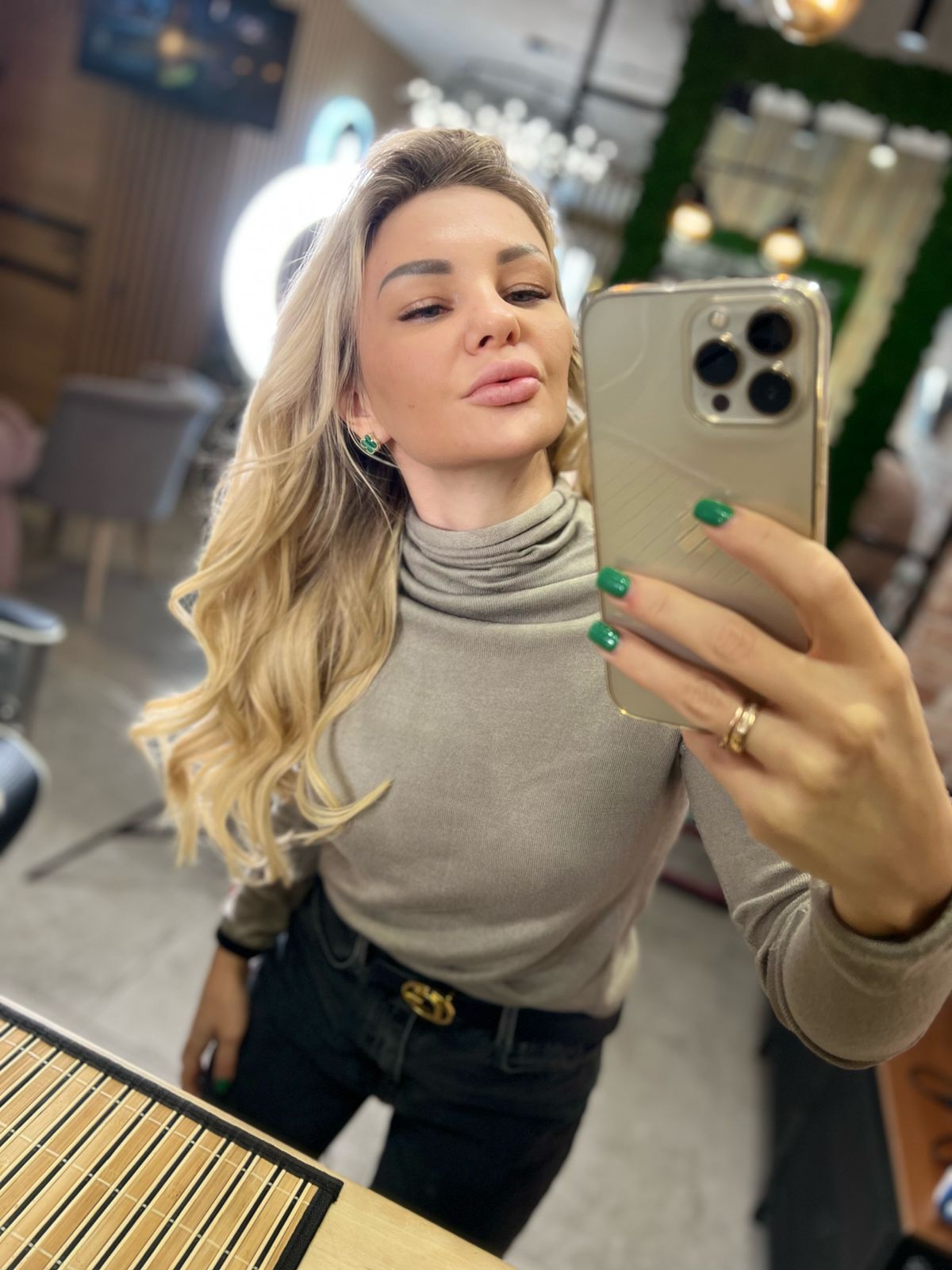
Certified hair extension stylists with 14+ years of experience. Own production of virgin Slavic hair, 10,000+ bundles in stock, salon in Dubai. Specialization: keratin extensions, ethical sourcing Russia & CIS, cold color technology.