Weft vs Clip-In Hair Extensions: Differences, Comfort & Care
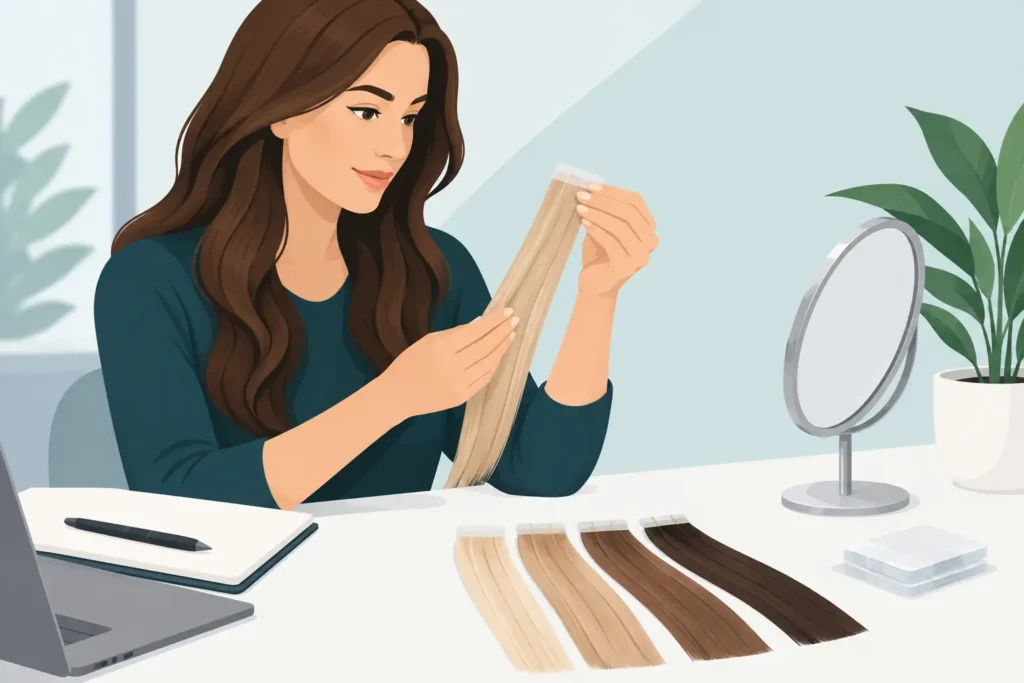
A fuller ponytail for dinner, extra length for a vacation, or everyday density that still looks like your own hair – the goal may be the same, but the right extension format is not. In the choice of wefts versus clips, the real question is how you want your hair to feel, move, and fit into your routine.
Both options can create a refined, natural-looking result when the hair quality, color match, and placement are right. The difference is in commitment. Wefts are designed to become part of your regular look for weeks, while clip-ins are made to be applied and removed whenever you choose.
Wefts Versus Clips: The Essential Difference
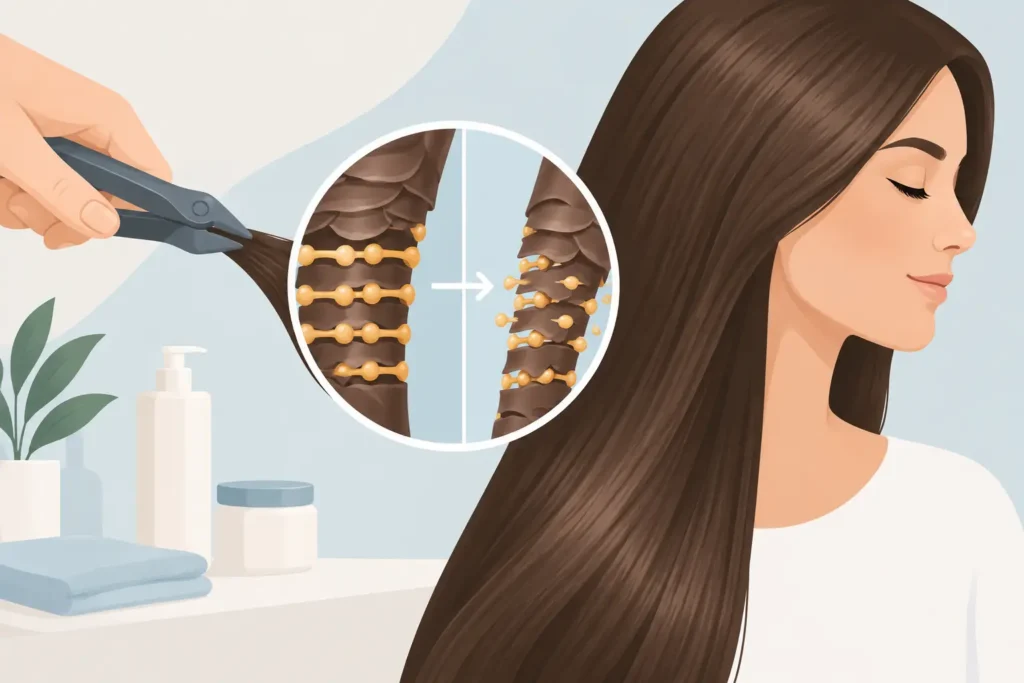
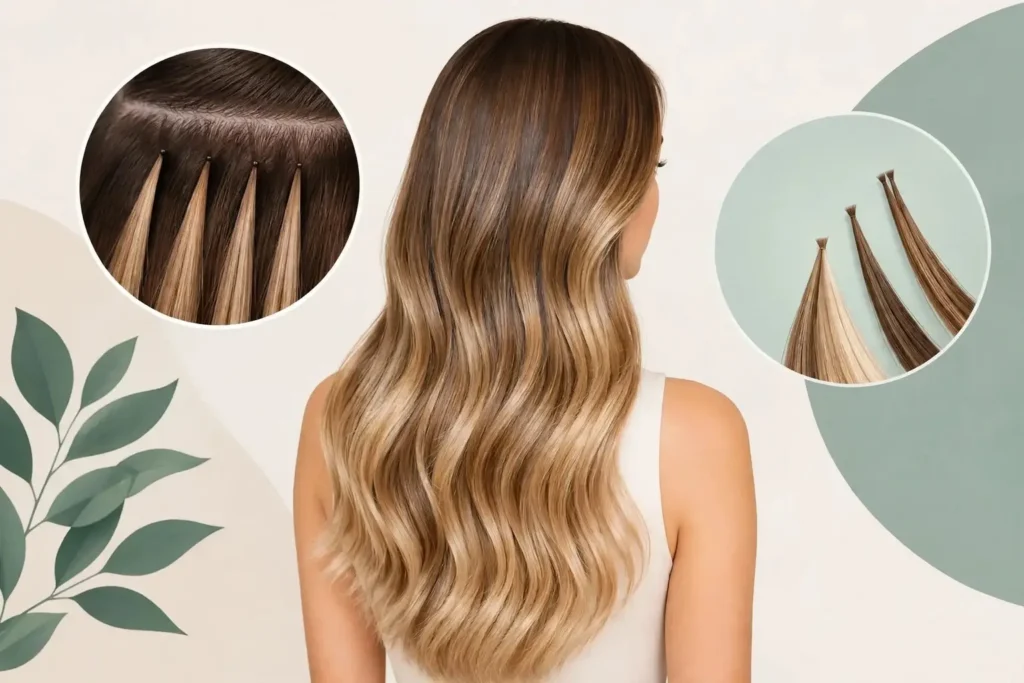
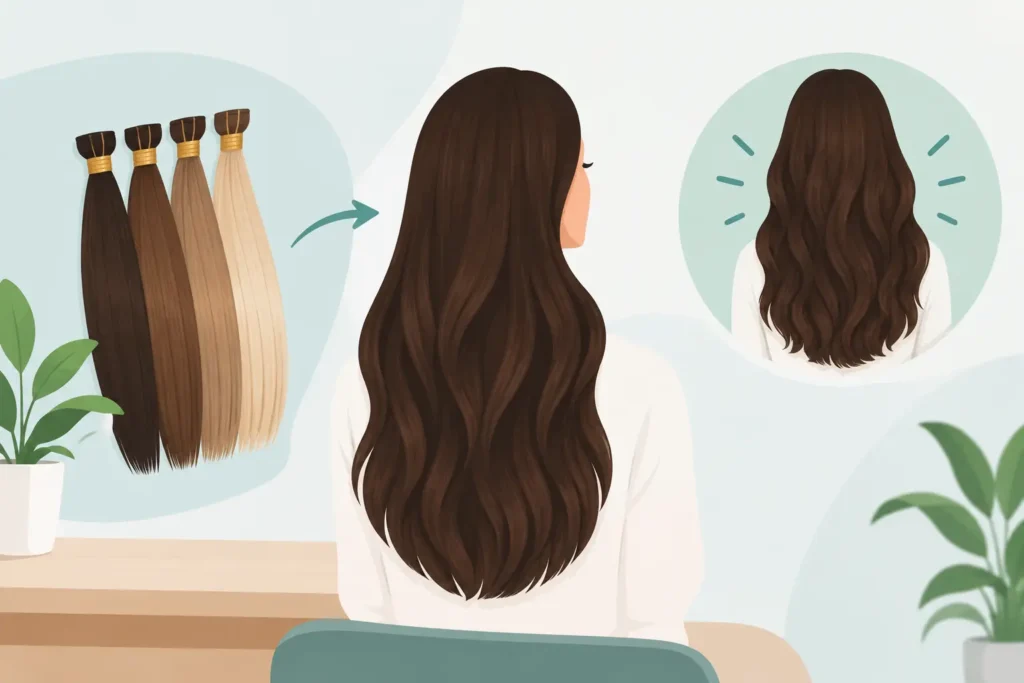
A hair weft is a continuous section of hair secured along a reinforced edge. Wefts can be used in different extension systems, including professionally installed sew-in or beaded wefts and removable clip-in pieces. The main difference is how the weft is attached and how long it is intended to stay in the hair. It can be installed by a professional using a method suited to your hair density and lifestyle, often with small beads and a sewn foundation. Rather than adding many individual points of attachment, a weft distributes volume across a wider section.
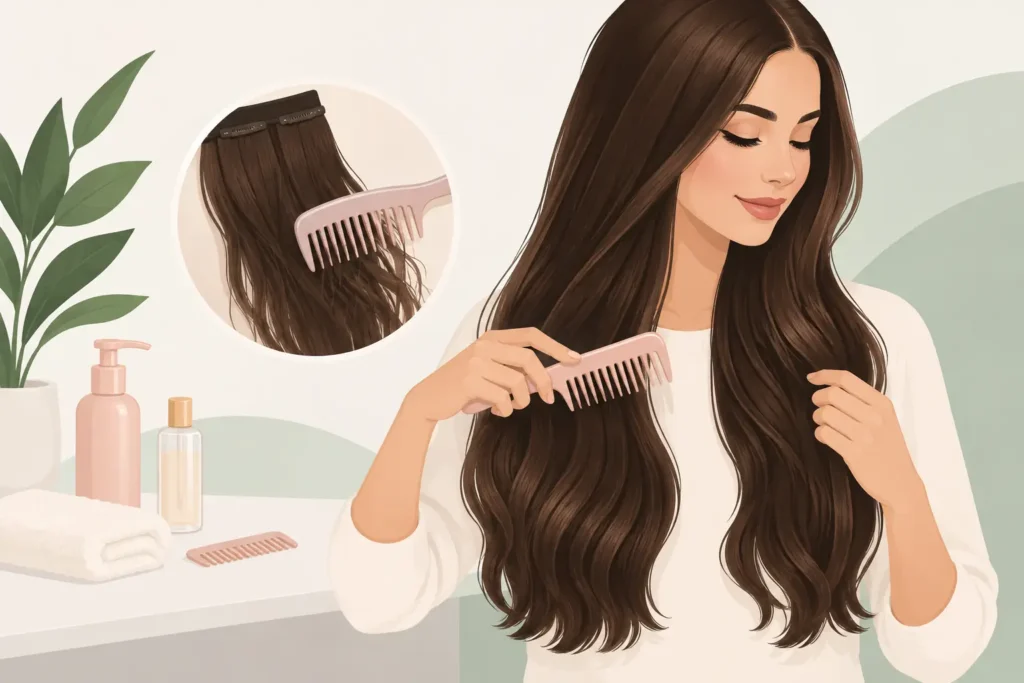
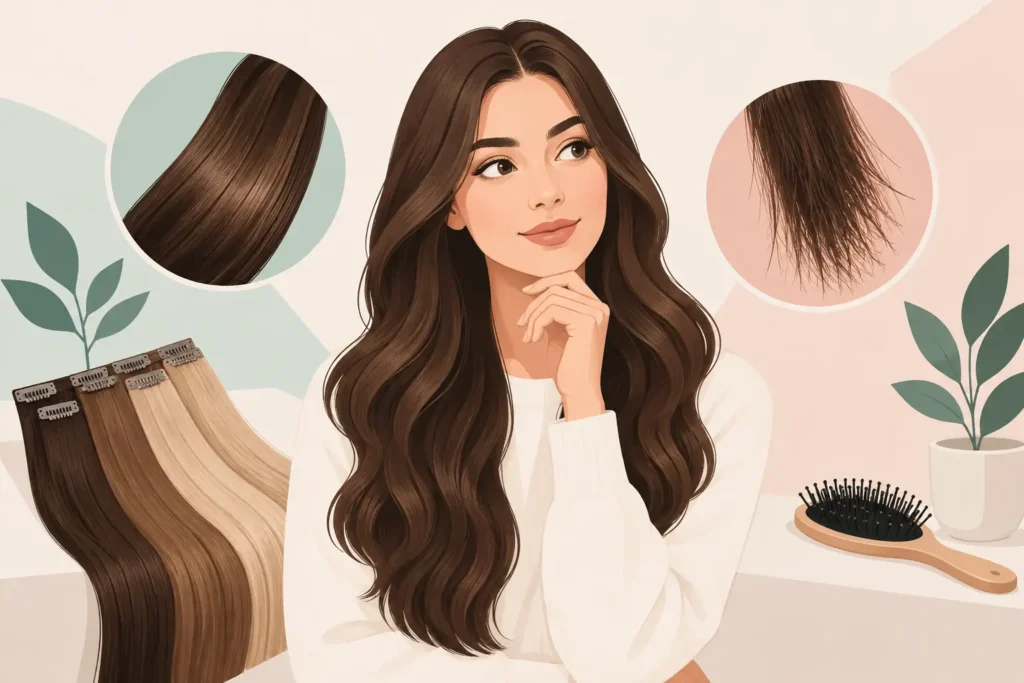
Clip-in extensions are ready-made pieces with small pressure-sensitive clips. You attach them near the roots, beneath the top layer of your own hair, and remove them before bed. A set may include several widths so that volume can be placed at the nape, sides, and crown where it is needed.
Neither format is automatically better. A woman who wants wake-up-and-go fullness may prefer wefts. Someone who wears extensions for events, photos, or occasional styling may find clips more practical. Your natural hair condition matters as much as the visual result.
Weft vs Clip-In Hair Extensions: Quick Comparison
| Feature | Weft Extensions | Clip-In Extensions | |—|—|—| | Wear type | Semi-permanent | Temporary | | Installation | Professional installation | Self-application | | Removal | Professional removal | Removed at home | | Daily convenience | Stay in place | Applied when needed | | Maintenance | Regular repositioning | Cleaning and proper storage | | Best for | Everyday length and fullness | Events and occasional styling | | Main consideration | Weight and attachment tension | Clip placement and visibility |
Why Wefts Work for Everyday Volume
Wefts are often chosen when length and density are part of an everyday look. Once professionally installed, they blend into your hair routine: you wash, blow-dry, and style them with thoughtful care, without needing to attach and remove pieces each morning.
For clients with suitable natural hair density and strength, a professionally installed weft can create consistent fullness across the lengths. However, fine or fragile hair requires careful assessment, as the weight and attachment method must be appropriate for the sections supporting the extensions. The sectioning must be clean, the foundation must sit flat, and the weight must be appropriate. A weft should never feel like a heavy band pulling at the roots.
The visual advantage is continuity. Because the hair falls from a broad, even line, it can create a polished curtain of density through the ends. This is especially beautiful for blunt cuts, soft waves, and long layers where the goal is a full silhouette rather than scattered fullness.
What a Weft Appointment Requires
Wefts are not a one-time decision. They require professional installation and scheduled maintenance as your natural hair grows. The exact interval depends on the installation method, your growth rate, and how carefully you follow aftercare guidance, but the attachment should be checked and repositioned before it begins to feel loose or difficult to manage.
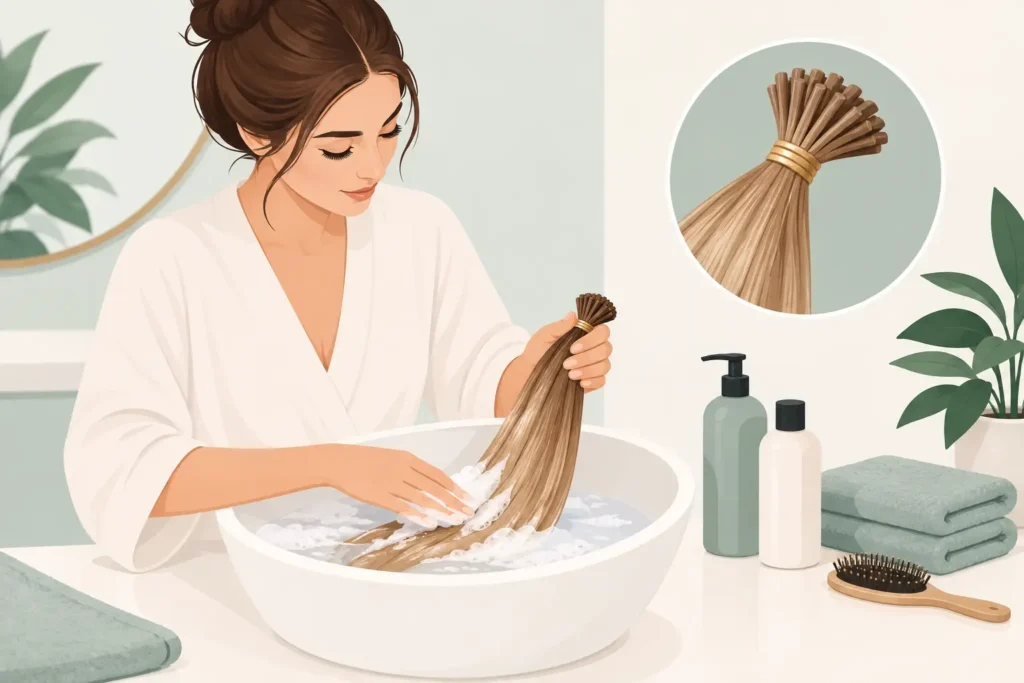
At home, you will need to brush gently around the attachment area, dry the roots thoroughly after washing, and avoid applying conditioner or oils directly onto the foundation. Sleeping with damp roots is not ideal for any extension method, and it is particularly unhelpful around a secured weft.
A quality consultation should also consider how you wear your hair. If you rely on very high ponytails, sleek buns, or a sharply defined center part, your stylist needs to plan the placement around those habits. The most natural result is not simply hidden when your hair is down. It should remain discreet when your hair moves.
Who Should Consider Wefts
Wefts tend to suit someone who wants consistent fullness, is comfortable committing to maintenance appointments, and enjoys styling her hair regularly. They can also be a strong option for clients who do not want to apply temporary pieces each day.
They are not always the first choice for hair that is currently very fragile, actively shedding, or recovering from significant breakage. In those cases, a careful professional assessment matters more than the desire for immediate length. The healthiest plan may involve lighter temporary volume, a smaller installation, or time to restore the condition of the natural hair first.
When Clip-Ins Make More Sense
Clip-ins offer freedom. They are ideal when you want a noticeable change without wearing extensions continuously: a weekend celebration, a business event, a bridal look, or simply the option of longer hair on the days you want it.
Because they are removed at night, your scalp and hair are free from a continuous attachment. This can be appealing for anyone who does not want to adjust their washing routine or return for maintenance appointments. It also lets you change your look according to the season, outfit, or occasion.
The trade-off is time and technique. Clip-ins look convincing only when they are positioned securely, covered by enough natural hair, and blended into your cut. A rushed application can create visible edges, bumps at the roots, or an obvious difference between your own ends and the extension hair.
Comfort Depends on Placement
A clip-in should feel secure, not painful. The clips need enough natural hair to grip, but they should not be snapped into the exact same place every day. Repeating pressure in one area can create unnecessary stress, particularly around the temples or along a fragile hairline.
For a natural finish, avoid placing the widest pieces too high toward the crown. Keep a sufficient layer of your own hair over the clips, and use fewer pieces if your hair is fine. More hair is not always a better result. Strategic placement creates a more believable shape than excessive volume.
Clip-ins also need to be removed before sleeping, showering, swimming, or exercising. Treat them as a wearable accessory made from premium hair, not as something to leave in until the next wash day.
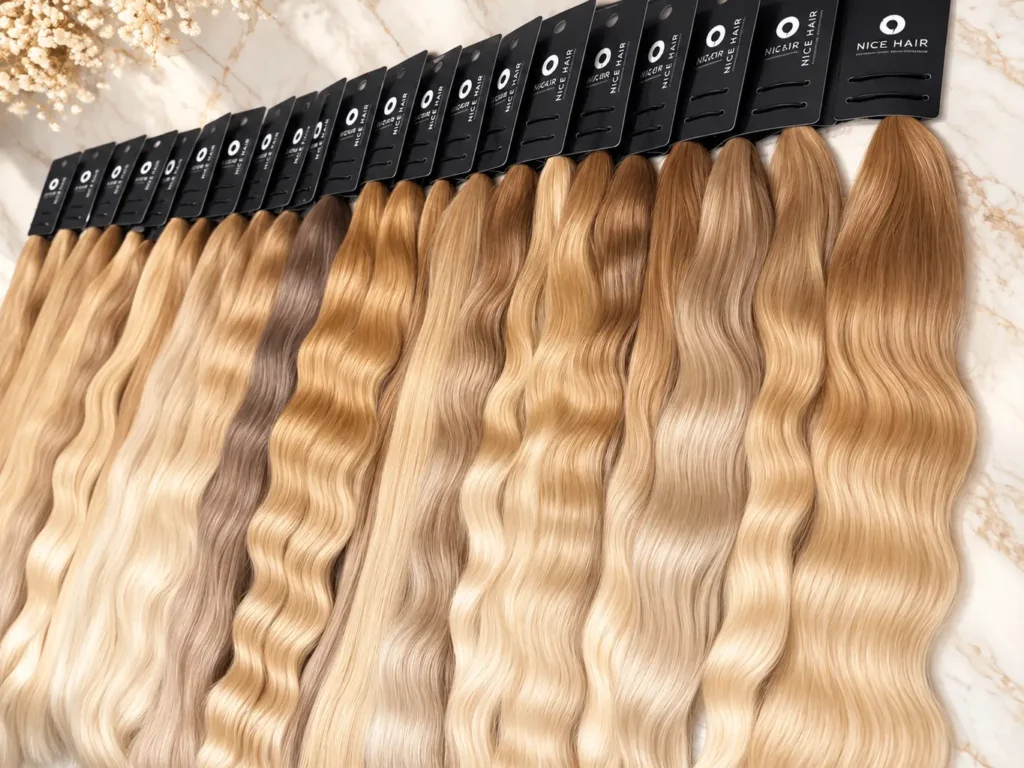
Whether you prefer the convenience of wefts or the flexibility of clip-ins, the quality of the hair determines how naturally the extensions blend and move. NICE HAIR produces natural human hair in Russia, with a selection of lengths, shades, and textures for different extension needs. If you’re exploring human hair wefts and clip-ins, ask our international specialists about suitable hair options on WhatsApp.
Wefts Versus Clips for Hair Health
The health question is often framed too simply: Are wefts safer than clips, or are clips safer than wefts? The more accurate answer is that either can be worn responsibly or poorly.
With wefts, safety comes from a correctly matched amount of hair, a tension-free installation, professional maintenance, and honest communication about your scalp sensitivity and hair history. A technique that works beautifully for dense, strong hair may not be appropriate for fine hair that has been lightened repeatedly.
With clips, safety comes from gentle application, rotating their position, removing them nightly, and not using them over irritated or tangled roots. Clip-ins are temporary, but temporary does not mean careless. Pulling them out quickly or brushing aggressively around a clipped section can still cause damage.
The quality of the hair itself also affects the experience. Hair with aligned cuticles, careful sorting, and cold-process color work is easier to blend and style over time. It should not depend on a heavy coating to appear smooth at first. At NICE HAIR, the focus is on carefully selected natural Slavic hair, professional preparation, and transparent processing information. Both untreated and professionally colored human hair can be suitable for premium extensions when quality, texture, and construction are carefully controlled.
How to Choose Based on Your Routine
Start with the life you actually live, not the look you saved on your phone. If you travel frequently, work out most days, or want to wake up with consistent length, professionally installed wefts may fit your routine better. You will have aftercare responsibilities, but you will not need to create the look from scratch each morning.
If your schedule changes constantly or you prefer to keep your natural hair completely free between occasions, clips can be the more flexible choice. They are also useful for trying a new length or level of volume before committing to a longer-wear installation.
Your styling habits are equally relevant. Wefts can be practical for daily blowouts and loose waves, provided heat protection and proper brushing are part of your routine. Clip-ins are excellent for a polished style, but they require you to style your natural hair and the added hair together so the texture and finish match.
Color matching deserves the same care. A close match is not only about the base shade. It includes warmth, brightness, root depth, and the dimension that appears in daylight. If your hair has highlights or a lived-in blend, combining shades may create a softer result than choosing one solid color.
The Consultation Questions Worth Asking
Before choosing either method, ask how much hair is appropriate for your density, where the attachments will sit, and how the method will work with your preferred part and updos. You should also ask how often maintenance is needed, which products to avoid near attachments, and what removal or repositioning process is recommended.
A knowledgeable stylist will not promise the same design for every client. They will assess your natural length, the shape of your haircut, your scalp comfort, and whether your goal is added density, dramatic length, or both. Those details determine whether the finished hair looks like an enhancement or an obvious addition.
The best hair extension format is the one that fits your natural hair, styling habits, and daily routine. Whether you’re looking for everyday volume or temporary length, choosing the right hair quality, shade, and texture is just as important as the attachment method. NICE HAIR supplies natural human hair from its production in Russia to customers worldwide. Contact our international sales manager on WhatsApp for personalized hair selection.
Frequently Asked Questions About Weft vs Clip-In Hair Extensions
What is the main difference between weft and clip-in hair extensions?
A weft is a section of hair secured along a reinforced edge, while clip-in extensions are removable wefts fitted with small clips. Professionally installed wefts are generally designed for extended wear and require maintenance appointments. Clip-ins can be attached and removed at home, making them more suitable for occasional styling. The right choice depends on your lifestyle, hair condition, and desired result.
Are weft extensions or clip-ins better for everyday wear?
Professionally installed wefts may be more convenient for everyday wear because they stay attached through regular activities and styling. Clip-ins offer greater flexibility but need to be applied and removed each time. Both require appropriate care, and neither method is universally better. Consider your natural hair strength, styling routine, and willingness to attend maintenance appointments.
Are clip-in extensions less damaging than sew-in wefts?
Clip-ins avoid continuous attachment and professional refitting, but they can still cause breakage if placed repeatedly on fragile sections or removed carelessly. Sew-in wefts distribute hair along a foundation, but excessive weight or tension may stress natural hair. Neither method is completely risk-free. Correct placement, appropriate hair weight, and gentle handling are essential for both.
How often do professionally installed weft extensions need maintenance?
Maintenance depends on the attachment method, natural hair growth, hair density, and aftercare routine. As the hair grows, professionally installed wefts may need repositioning to maintain comfort and prevent tangling near the roots. A qualified stylist should recommend a suitable schedule based on the individual installation rather than a fixed timeline that applies to everyone.
Can you reuse human hair wefts and clip-in extensions?
High-quality human hair wefts and clip-ins can often be reused when the hair remains in good condition. Reuse depends on the quality of the hair, construction, previous processing, wear, and maintenance. Professionally installed wefts must be assessed before refitting, while clip-ins can be cleaned, stored, and worn again if their clips and hair remain suitable.
Certified hair extension stylists with 14+ years of experience. Own production of virgin Slavic hair, 10,000+ bundles in stock, salon in Dubai. Specialization: keratin extensions, ethical sourcing Russia & CIS, cold color technology.