Private Label Hair Extensions: How to Choose a Manufacturer
A client does not see your supplier, your production schedule, or the quality-control conversation behind an order. She sees the finished result in daylight, feels the hair after washing it, and decides whether she trusts your brand again. That is why private label hair extensions are not simply a packaging decision. They are a commitment to stand behind every strand sold under your name.
For salons, stylists, and beauty entrepreneurs, private label can create a stronger customer relationship and a more distinctive business. It can also expose weaknesses quickly if the manufacturer cannot provide consistent hair, clear specifications, and reliable communication. The difference lies in choosing a production partner, not just finding inventory.
What Private Label Means in Hair Extensions
In the hair industry, private label generally means a manufacturer produces hair extensions that are sold under another business’s brand. Depending on the agreement, the manufacturer may provide the hair only, prepare finished formats, apply branded packaging, or support a fuller product line with labels, inserts, and custom specifications.
The appeal is clear. A salon can offer extensions that feel aligned with its own standard of service rather than directing clients to an unrelated retailer. An online store can build recognition around its own color selection, product education, and aftercare. A distributor can develop a focused range for the needs of its market.
But the label is the visible part of the arrangement, not the foundation. The foundation is traceability, grading, processing, and repeatable production. If a supplier changes the underlying hair from one shipment to the next, even excellent branding cannot protect the customer experience.
Why Consistency Matters More Than a Custom Box
Hair extensions are a product clients live with. They brush them, heat-style them, wash them, and compare their behavior to their natural hair every day. For that reason, consistency should be the first question in any private label conversation.
A professional buyer needs to know whether the hair is sourced through a controlled supply chain, how it is sorted, whether cuticles are aligned, and how color is achieved. The terms virgin and Remy describe different characteristics of human hair. Virgin hair has not undergone chemical coloring or texture treatments, while Remy hair refers to cuticle alignment. Neither term alone guarantees overall quality, so ask the manufacturer for clear information about processing, sorting, and the condition of the specific hair category being offered.
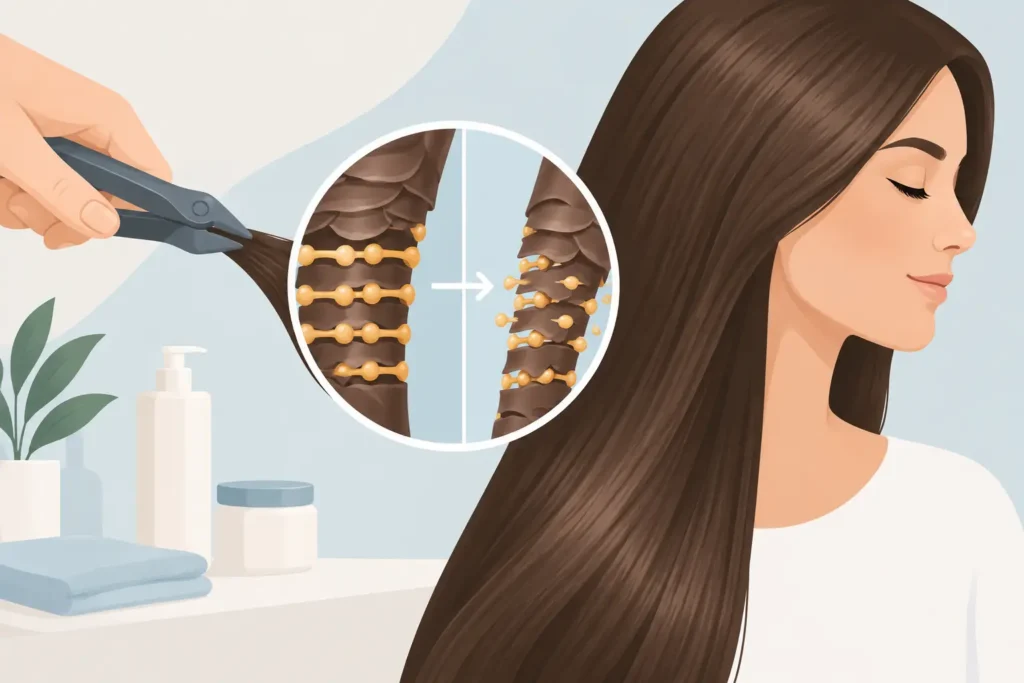
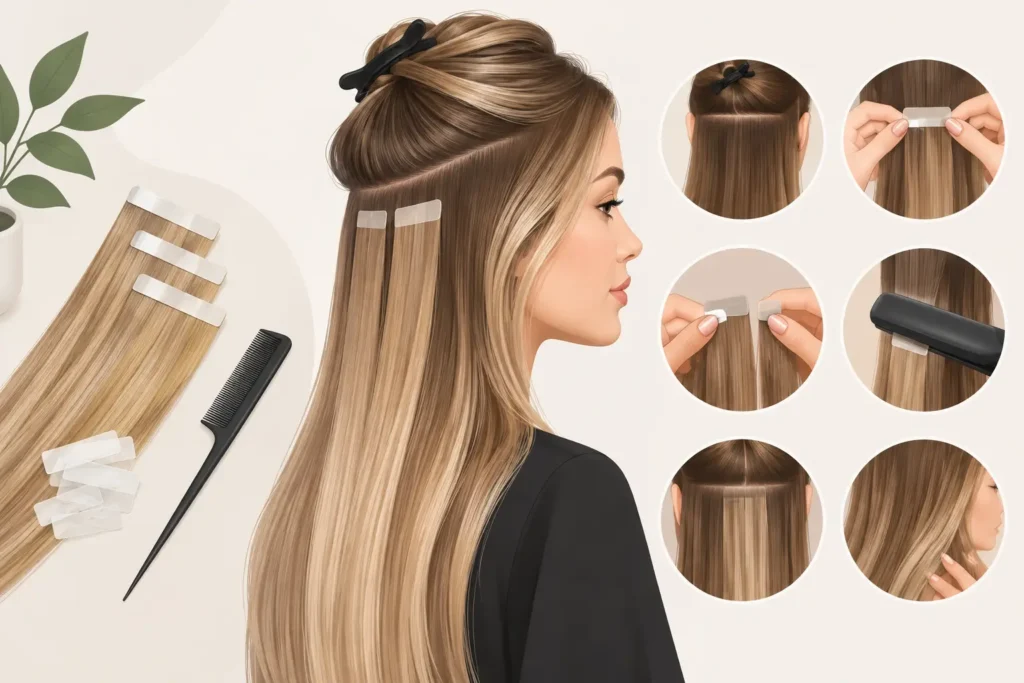
The quality of coloring, careful sorting by texture and length, and consistent extension construction can all influence how the finished product performs. So does the way the hair is prepared for a particular format. Keratin bonds need secure, neat attachment points. Tape applications need consistent panel weight and adhesive placement. Wefts need a construction that sits comfortably and supports the intended installation method.
A supplier should also be able to explain what remains stable between batches: texture, density, color direction, root-to-end quality, and product weight. No natural material is identical strand by strand, and honest partners will not pretend otherwise. What matters is a controlled standard that prevents unpleasant surprises when a returning client orders the same shade again.
Questions to Ask Before Launching a Private Label Line
The best early conversations are detailed. A manufacturer that welcomes technical questions is usually easier to work with when you need a replacement, a custom color, or a fast clarification for your customer.
Before placing a larger order, establish the answers to these practical points:
- What is the origin and selection process for the raw hair?
- Which extension formats can be made in-house, and which specifications can be customized?
- How are shades created and checked for consistency?
- What are the available lengths, weights, textures, and bond or weft options?
- What is the realistic lead time for stock items versus custom production?
- How are quality concerns, replacements, and order discrepancies handled?
- What are the minimum order quantities for each product format and custom specification?
- Are branded packaging, custom labels, or private label services available, and who is responsible for approving the final artwork?
- Who is responsible for product labeling, import requirements, and compliance in the destination market?
These questions are not about making the process complicated. They prevent vague expectations from becoming expensive problems later. If you are building a salon-led collection, you may prioritize fast access to a tight edit of natural shades and lengths. If you are supplying other stylists, you may need broader inventory and dependable wholesale replenishment. The right private label structure depends on the role hair extensions play in your business.
Minimum Order Quantities and Private Label Pricing
Before choosing a private label hair extensions manufacturer, clarify the minimum order quantity (MOQ) for each product format, length, shade, and packaging option. A supplier may have different requirements for ready-made wholesale hair, custom-colored extensions, and fully branded products.
Ask whether the MOQ applies to the total order or separately to each variation. Also confirm sample costs, production lead times, packaging charges, payment terms, and international shipping arrangements. These details can significantly affect the investment needed to launch your hair extension brand.
When comparing manufacturers, calculate the total cost of obtaining finished products rather than focusing only on the price per gram or bundle. A transparent quotation should make it clear which services are included and which require additional payment.
Start With Samples, Then Test Them Properly
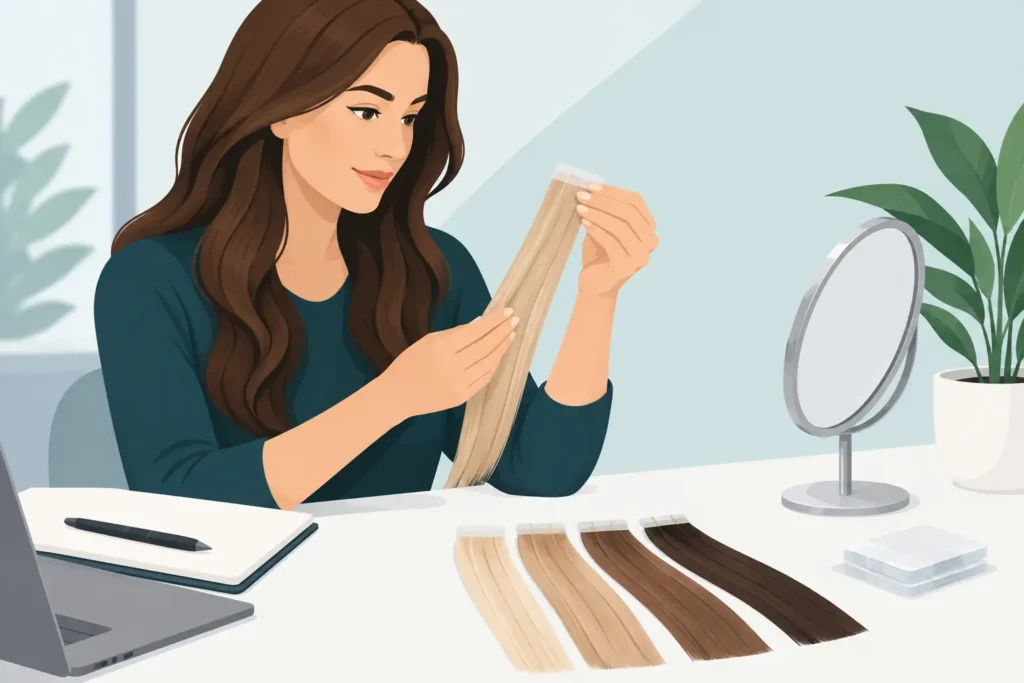
A hair sample should be evaluated for more than its appearance in the package. When the supplier permits testing, wash, brush, and heat-style the sample according to the recommended care instructions. If you are evaluating an extension attachment system, a separate professional wear test can help assess installation comfort and construction. Assess how the ends behave after several washes, whether the shade holds its direction, and how the extension integrates with natural hair.
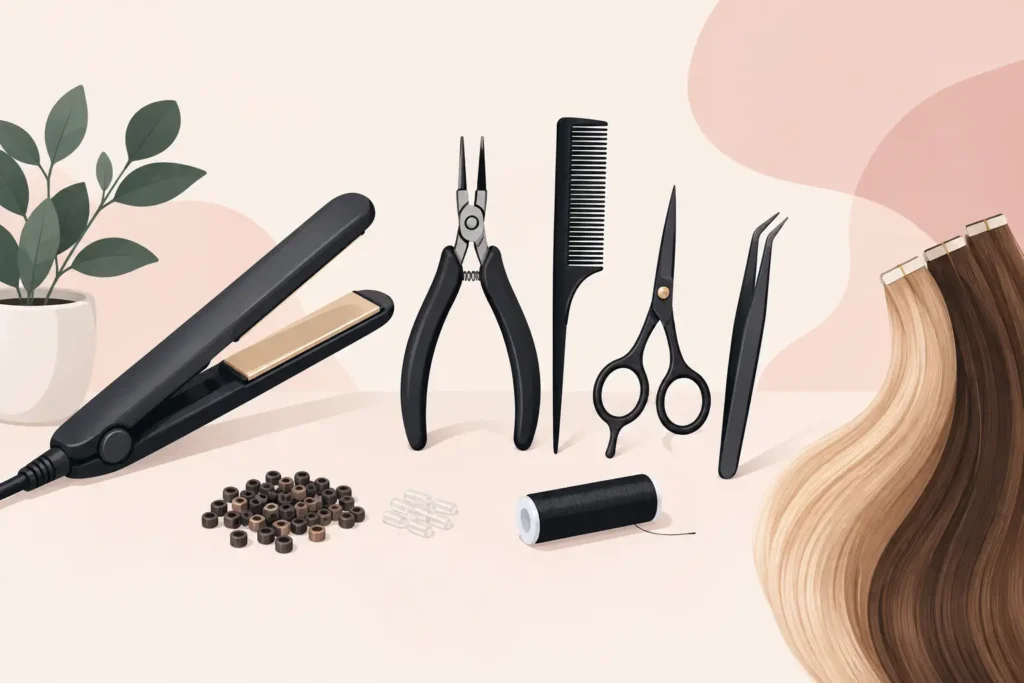
For keratin extensions, inspect the capsules closely. They should be clean, proportionate, and appropriate for discreet placement. For tapes and wefts, test whether the construction supports a natural fall and comfortable wear. If you work with clients who have fine hair, the weight distribution and visibility of the attachment matter as much as the hair itself.
It is also wise to compare samples from different production batches. One beautiful sample can be meaningful, but repeatability is what allows you to build a business around the product.
Finding a reliable natural hair supplier is an important step when building your own extension business. NICE HAIR produces natural human hair in Russia and works with international professional buyers. If you’re comparing manufacturers or planning a new product line, contact our international sales team on WhatsApp to discuss wholesale conditions and ask whether private label or custom branding options are available.
Build a Clear Product Standard Before You Brand It
A private label line becomes easier to manage when you define what you will and will not sell. Start with your ideal client rather than trying to launch every possible format at once.
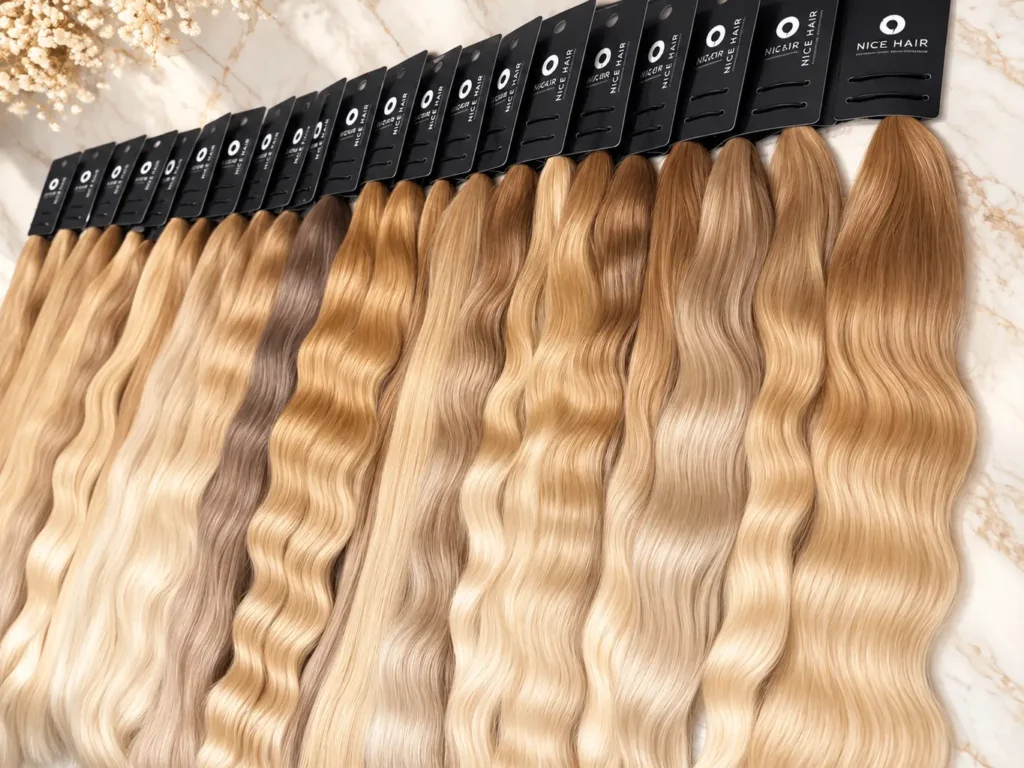
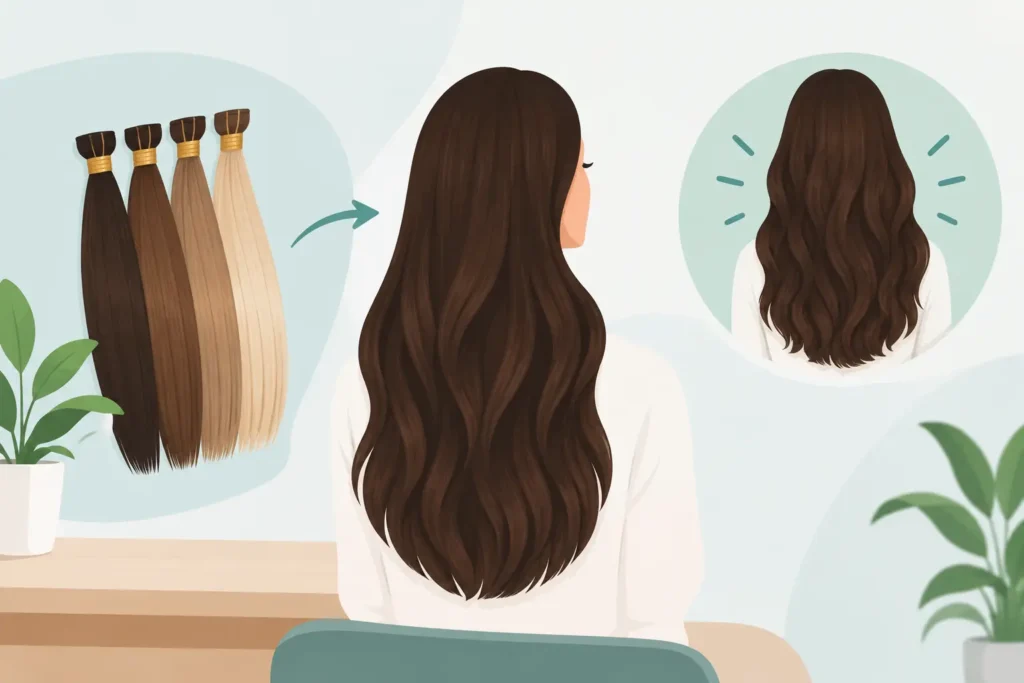
For example, a salon focused on invisible, natural-looking transformations may begin with a concise collection of keratin strands in wearable lengths, refined shades, and carefully selected gram weights. A professional supply business may need a wider range that includes tapes, wefts, clip-ins, ponytails, and bulk hair for custom work. Neither approach is better. The strongest choice is the one you can explain clearly and keep in stock consistently.
Your product standard should cover shade naming, length measurement, weight tolerance, texture description, and care guidance. This creates a shared language between your team, your manufacturer, and your customers. It also reduces the risk of promising a result that the product was never designed to deliver.
NICE HAIR produces natural human hair in Russia and works with professional buyers seeking suitable lengths, shades, textures, and preparation options. For businesses exploring private label hair extensions, it is important to confirm which product specifications, packaging arrangements, and customization services a manufacturer can provide before agreeing on an order.
How to Start Your Own Hair Extension Brand
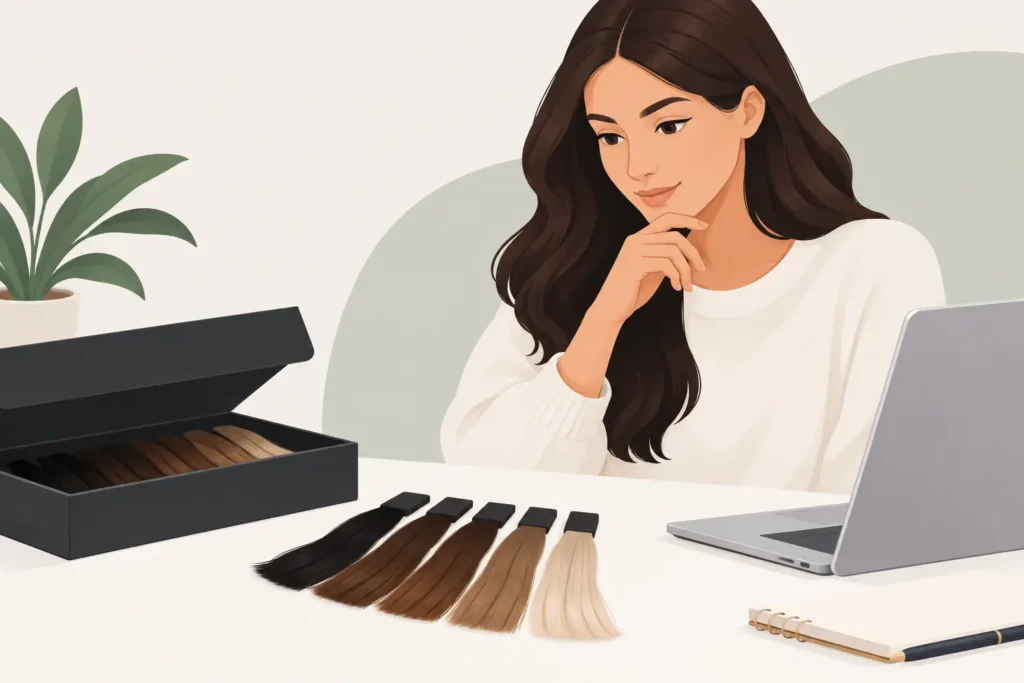
Launching a private label hair extension brand works best when the process is divided into clear stages. First, define your target customers and the extension formats they are most likely to purchase. Then shortlist manufacturers, request technical specifications, and compare suitable hair samples.
Once you have selected a potential production partner, confirm the hair categories, shade references, product construction, quality requirements, and reorder conditions. If custom branding is available, agree on packaging designs, labeling responsibilities, and approval procedures before production begins.
Start with a manageable product range and evaluate customer feedback before expanding. This approach helps reduce unnecessary inventory costs while establishing consistent standards for quality, presentation, and customer care.
Packaging Should Support Trust, Not Hide Information
Premium packaging can make an order feel considered, but it should never substitute for product clarity. A client or stylist should be able to identify the format, length, weight, shade, texture, and essential care instructions without guesswork.
For a private label business, thoughtful packaging also protects operational accuracy. Clear labels make it easier for a salon team to locate the correct set during an appointment and for an online customer to confirm what arrived. If your line includes multiple formats, use a consistent visual system so products are easy to distinguish while still feeling part of one brand.
Consider the unboxing experience, but keep it practical. Hair should arrive protected from unnecessary friction, attachments should remain neat, and product information should be legible. A beautiful box matters most when the product inside performs exactly as promised.
Plan Inventory Around Real Client Behavior
Many new brands overinvest in breadth before they understand demand. In practice, a well-managed range of high-turning shades and lengths often serves clients better than a large catalog with unpredictable availability.
Review your consultations, appointment history, and customer requests. Which lengths are installed most often? Which tones repeatedly need custom blending? Do your clients prefer added density, added length, or both? These patterns should shape your first inventory plan.
For wholesale buyers, inventory planning also means discussing stock depth with the manufacturer. Access to a large raw-hair inventory can be an advantage, but what matters is whether finished goods can be supplied reliably in the formats and shades your business needs. Ask about reorder timing before you promote a product that may become difficult to replace.
Protect Your Reputation With Honest Education
Private label creates an opportunity to educate customers in your own voice. Explain how to choose the right format, why a consultation matters, how much hair may be needed for a natural result, and what aftercare supports longevity and softness.
Avoid promises that do not reflect real life. Wear time depends on installation method, home care, styling habits, natural hair condition, and the quality of the application. Color can look different under warm indoor lighting than in daylight. A transparent brand prepares customers for these details instead of treating them as inconveniences.
This is especially relevant for salons. The best extension result is not necessarily the longest or fullest option. It is the result that sits comfortably, blends naturally, and respects the client’s own hair. Private label products should give your stylists more control over that outcome, not pressure them to use a one-size-fits-all solution.
Building a successful hair extension brand starts with dependable products, clear specifications, and a supplier who understands professional requirements. Whether you’re opening a salon collection, expanding a wholesale business, or exploring private label opportunities, NICE HAIR can help you discuss natural human hair options from its production in Russia. Message our international sales manager on WhatsApp to explore available products, purchasing terms, and potential cooperation.
Frequently Asked Questions About Private Label Hair Extensions
What are private label hair extensions?
Private label hair extensions are products manufactured or prepared by one company and sold under another business’s brand. Depending on the agreement, a manufacturer may supply natural human hair, finished extension formats, custom packaging, or other branding services. The exact level of customization varies by supplier, so businesses should confirm which services are included before placing an order.
How do I start my own hair extension brand?
Start by identifying your target customers, preferred hair categories, and extension formats. Compare potential manufacturers, evaluate hair samples, and establish clear quality specifications. Before launching, confirm minimum order quantities, production timelines, wholesale pricing, packaging requirements, and shipping arrangements. Beginning with a focused product range can help you manage costs and understand customer demand before expanding your collection.
What is the minimum order quantity for private label hair extensions?
Minimum order quantities, or MOQs, vary depending on the manufacturer, product format, customization requirements, and packaging options. Ready-made wholesale products may have different minimums from custom-colored or fully branded extensions. Ask whether the MOQ applies to the entire order or separately to each shade, length, or product variation. Always confirm the applicable requirements directly with the supplier.
How can I verify the quality of a private label hair extension supplier?
Request detailed information about hair origin, sorting, processing, cuticle alignment, and product construction. Where available, compare physical samples and evaluate their texture, color consistency, and behavior after washing. For ongoing professional purchases, ask how the supplier maintains specifications between batches and handles quality concerns. Transparent communication and documented product standards are important indicators of a reliable manufacturing relationship.
Can I buy wholesale human hair and sell it under my own brand?
Wholesale human hair may be suitable for resale under your own brand, but the arrangement depends on the supplier’s terms and the rules applicable to your market. Some manufacturers offer private label services, while others supply unbranded hair without packaging or branding support. Before purchasing, confirm whether rebranding is permitted, what documentation is provided, and who is responsible for product labeling and compliance.

Certified hair extension stylists with 14+ years of experience. Own production of virgin Slavic hair, 10,000+ bundles in stock, salon in Dubai. Specialization: keratin extensions, ethical sourcing Russia & CIS, cold color technology.