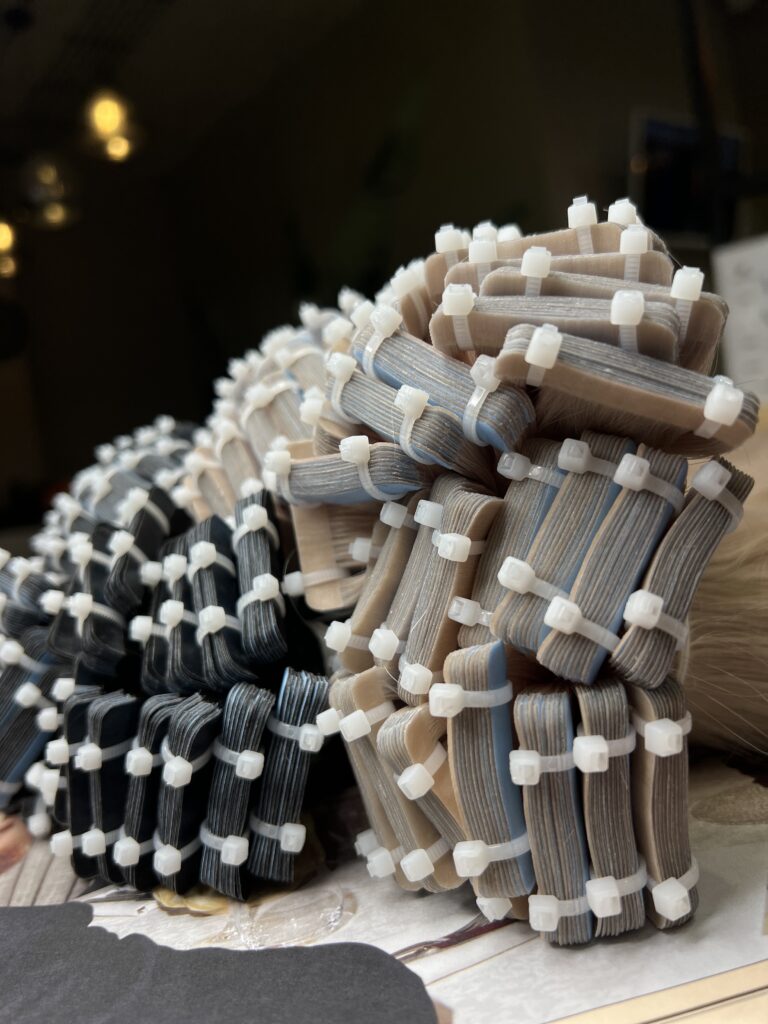
Choosing the right type of hair for extensions is one of the most important steps for achieving beautiful, natural-looking, and long-lasting results. Different hair extension materials vary in quality, appearance, durability, maintenance, and price.
In this guide, we’ll explain the main types of hair used for hair extensions, along with their pros and cons.
Natural Human Hair
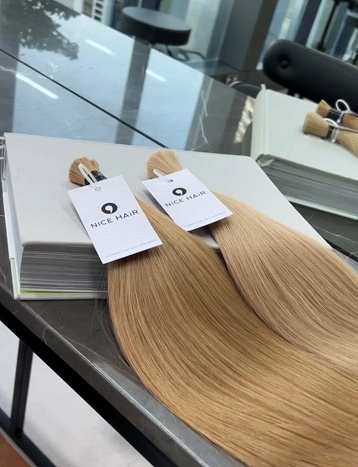
Natural human hair is considered the highest-quality option for hair extensions because it looks and behaves like your own hair.
Types of Natural Hair Extensions
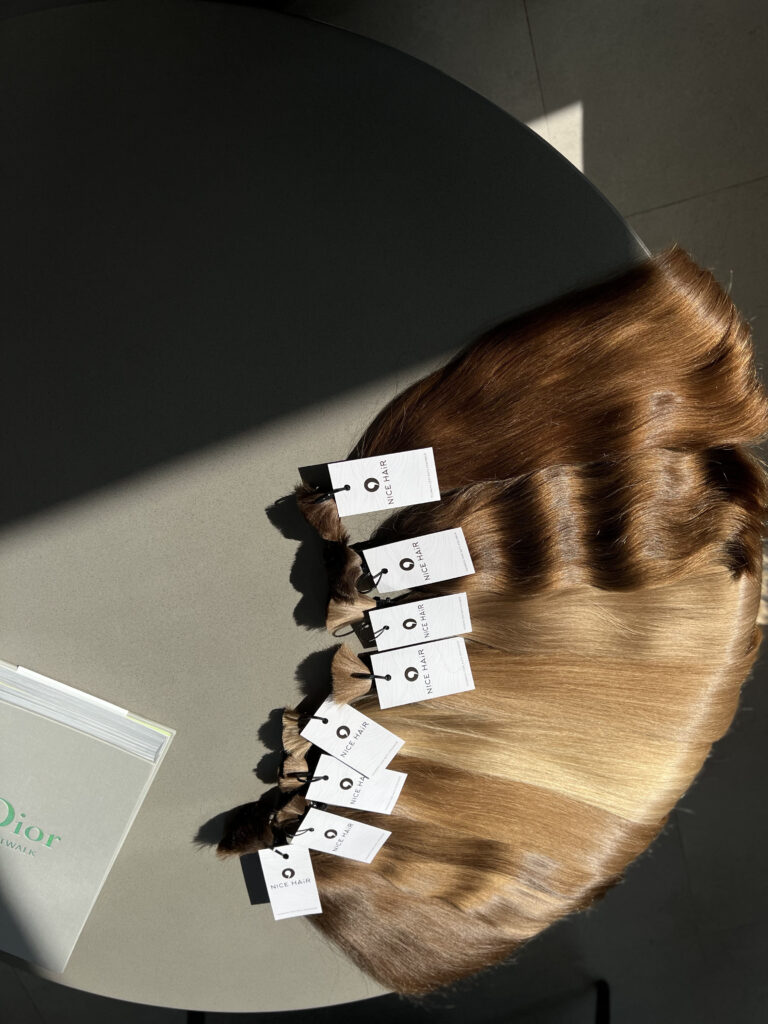
Slavic Hair
Slavic hair is known for its softness, silkiness, and premium quality. It blends beautifully with fine hair textures and is highly valued in the hair extension industry.
European Hair
European hair is slightly denser and thicker than Slavic hair while still maintaining a natural appearance and good styling flexibility.
Asian Hair
Asian hair is usually thicker and stronger in structure. It is often used for creating dense, voluminous extensions.
Advantages of Natural Human Hair
Natural Appearance
Human hair extensions look the most realistic because they have the same texture, movement, and shine as natural hair.
Long Lifespan
With proper care, natural hair extensions can last for a long time while maintaining their beauty and softness.
Heat Styling & Coloring
Natural extensions can usually be:
- Colored
- Curled
- Straightened
- Styled like your own hair
Wide Variety of Colors & Textures
Human hair is available in many shades, lengths, and textures, making it easier to find the perfect match.
Disadvantages of Natural Human Hair
Higher Cost
High-quality natural hair extensions are more expensive than synthetic alternatives.
Requires Proper Maintenance
Like natural hair, these extensions need regular care, hydration, and professional products.
Possible Tangling
Without proper maintenance, natural hair extensions may tangle and require regular correction appointments.
Synthetic Hair
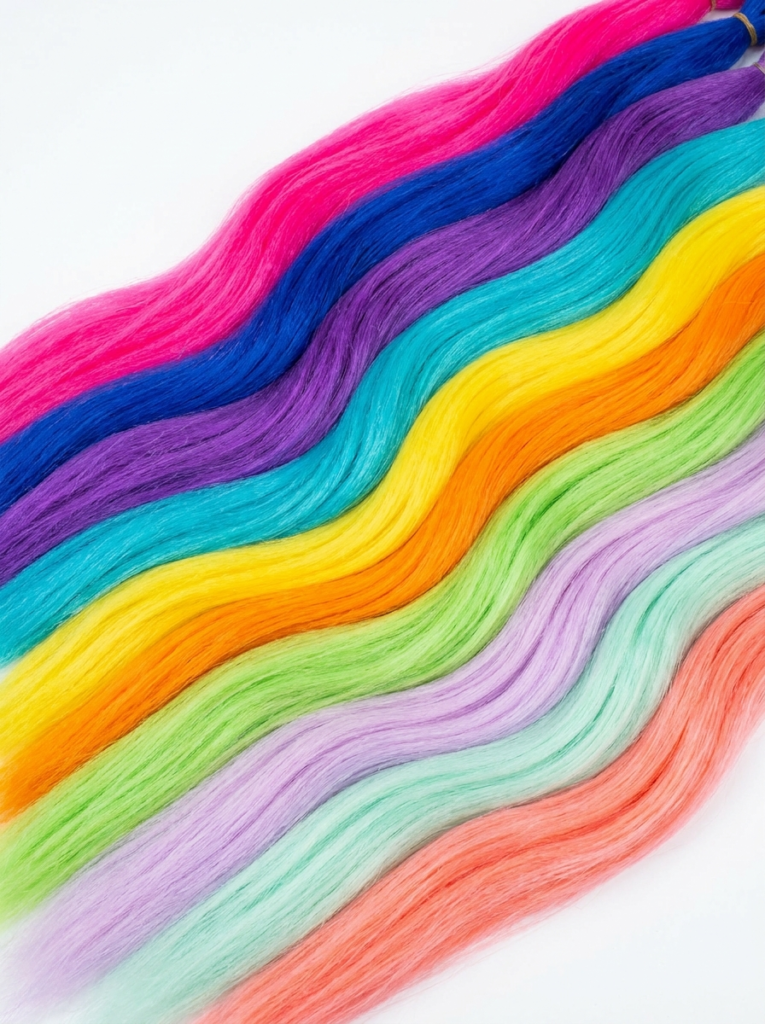
Synthetic hair extensions are made from artificial fibers designed to imitate natural hair.
Advantages of Synthetic Hair
Affordable Price
Synthetic hair extensions are significantly cheaper than natural human hair.
Easy Maintenance
They are generally easier to maintain and often require fewer professional products.
Large Color Selection
Synthetic hair comes in a huge range of colors, including:
- Bright fashion shades
- Fantasy colors
Disadvantages of Synthetic Hair
Less Natural Appearance
Synthetic fibers may appear shinier and less realistic compared to human hair.
Limited Styling Options
Not all synthetic hair can be:
- Colored
- Heat styled
- Curled or straightened
Shorter Lifespan
Synthetic hair extensions usually wear out faster and lose their appearance more quickly.
Remy & Reconstructed Hair Extensions
Some hair extensions are made from a mixture of cut human hair and collected shed hair. Typically:
- 10–20% cut hair
- 80–90% collected or reconstructed hair
Advantages of Reconstructed Hair
Better Price-to-Quality Balance
These extensions are usually more affordable than premium cut hair while still offering a natural look.
Improved Durability Compared to Synthetic Hair
Because they are made from natural human hair, they generally feel softer and more realistic than synthetic alternatives.
Similar Texture to Natural Hair
They often blend well with natural hair structure and provide a softer finish.
Disadvantages of Reconstructed Hair
Quality Depends on Composition
The final quality varies greatly depending on:
- Hair processing
- Material proportions
- Manufacturing standards
More Limited Styling & Care
Compared to premium cut human hair, reconstructed hair may have some restrictions regarding:
- Heat styling
- Coloring
- Longevity
How to Choose the Best Hair for Extensions
Choosing the right hair extensions depends on several important factors.
Consider Your Goal
Ask yourself:
- Do you want extensions for everyday wear?
- Temporary volume?
- A special event?
- Long-term use?
Different hair types suit different lifestyles and needs.
Consider Your Budget
Natural hair extensions are more expensive but offer:
- Better quality
- Longer wear
- More styling flexibility
Synthetic hair is more affordable but less durable.
Think About Maintenance
Some hair types require more care than others. Consider how much time you are willing to spend on:
- Styling
- Washing
- Brushing
- Hydration
Final Thoughts
There are many different types of hair extensions available today, and each option has its own advantages and disadvantages. Natural human hair remains the most popular choice for its realistic appearance and styling flexibility, while synthetic and reconstructed hair can offer more affordable alternatives.
The best hair extensions are the ones that match your goals, budget, and lifestyle while maintaining the health and beauty of your natural hair.