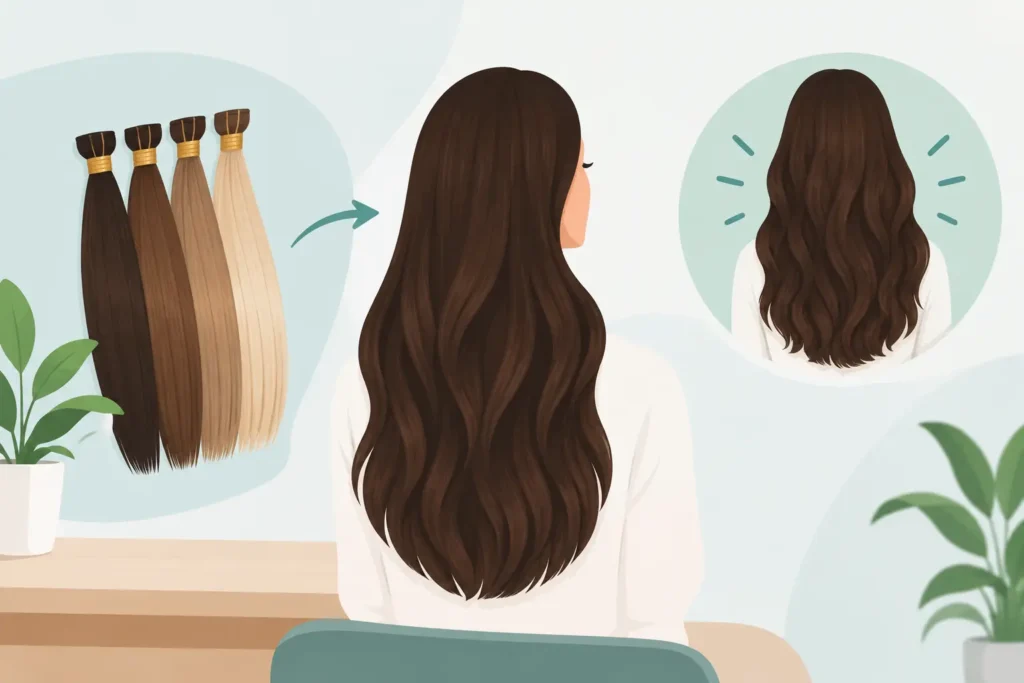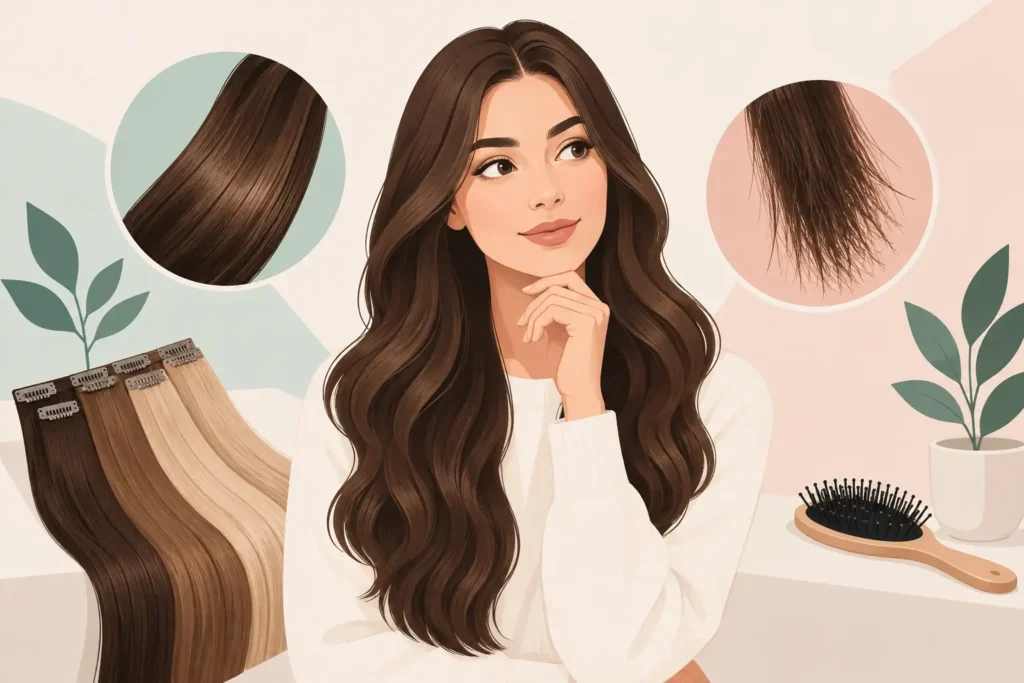
Hair extensions are one of the most popular beauty services, allowing clients to instantly add length, volume, and dimension to their natural hair. Modern extension methods are designed to be comfortable and safe when applied correctly. However, there are certain situations where hair extensions may not be recommended. Here are the main factors when client can refuse to provide hair extensions service.
Active Hair Loss
One of the primary contraindications for hair extensions is active hair shedding or hair loss.
If you are experiencing:
- Excessive daily hair fall
- Alopecia
- Postpartum hair loss
- Stress-related hair shedding
- Hair loss caused by medication or illness
it is recommended to address the underlying issue before getting extensions.
Adding extra weight to weakened hair can increase tension on fragile strands and may worsen existing hair loss.
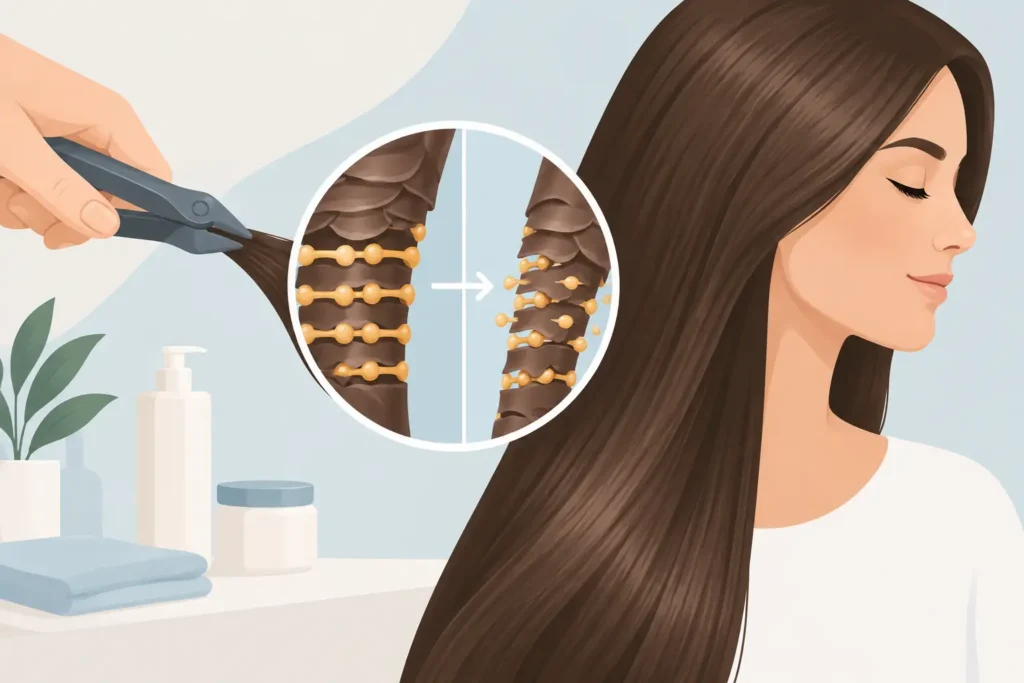
Extremely Thin or Fragile Hair
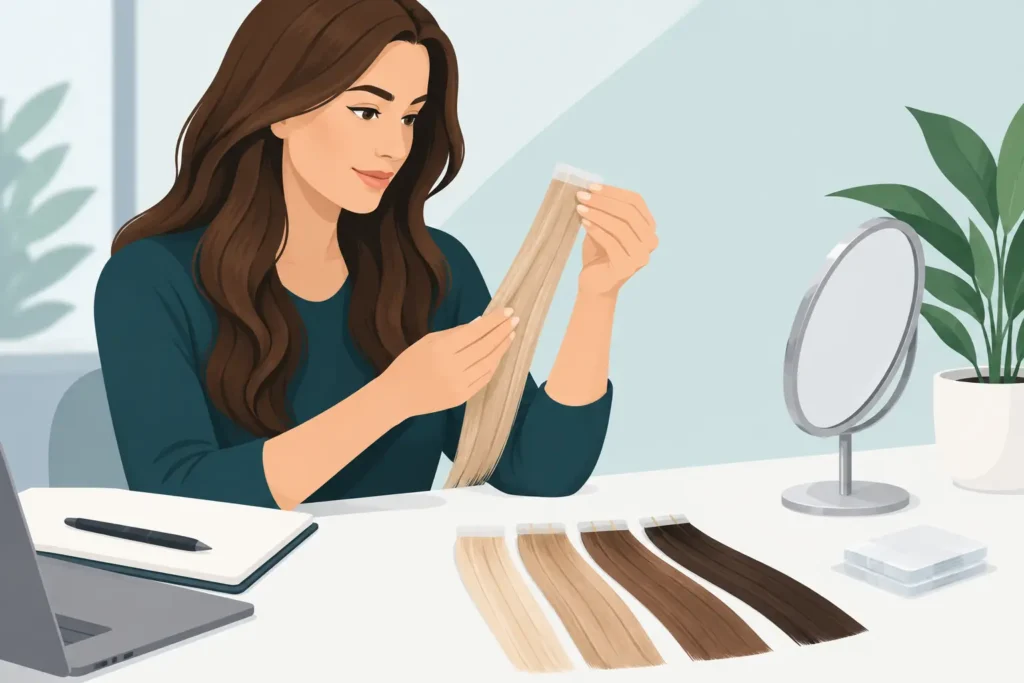
Clients with severely damaged, brittle, or extremely fine hair should consult a professional extension specialist before installation.
Hair that has been heavily processed by:
- Bleaching
- Frequent coloring
- Chemical straightening
- Perm treatments
may not be strong enough to support extensions safely.
A professional assessment can determine whether extensions are appropriate and which method would be the most gentle.
Scalp Conditions
Hair extensions should not be applied when there are active scalp disorders, including:
- Psoriasis flare-ups
- Seborrheic dermatitis
- Eczema
- Fungal infections
- Open wounds or irritation
Extensions should only be installed once the scalp has fully recovered and a healthcare professional confirms it is safe to proceed.
Allergic Reactions and Sensitivities
Some individuals may have sensitivities to adhesives, tapes, metals, or extension application materials.
If you have a history of allergies or skin sensitivity, discuss this with your extension specialist before the procedure. A patch test may be recommended when applicable.
Recent Medical Treatments
Certain medical treatments can temporarily affect hair strength and scalp health.
These may include:
- Chemotherapy
- Radiation therapy
- Hormonal treatments
- Major surgeries
- Certain prescription medications
In such cases, it is best to seek approval from your healthcare provider before considering hair extensions.
Pregnancy and Postpartum Considerations
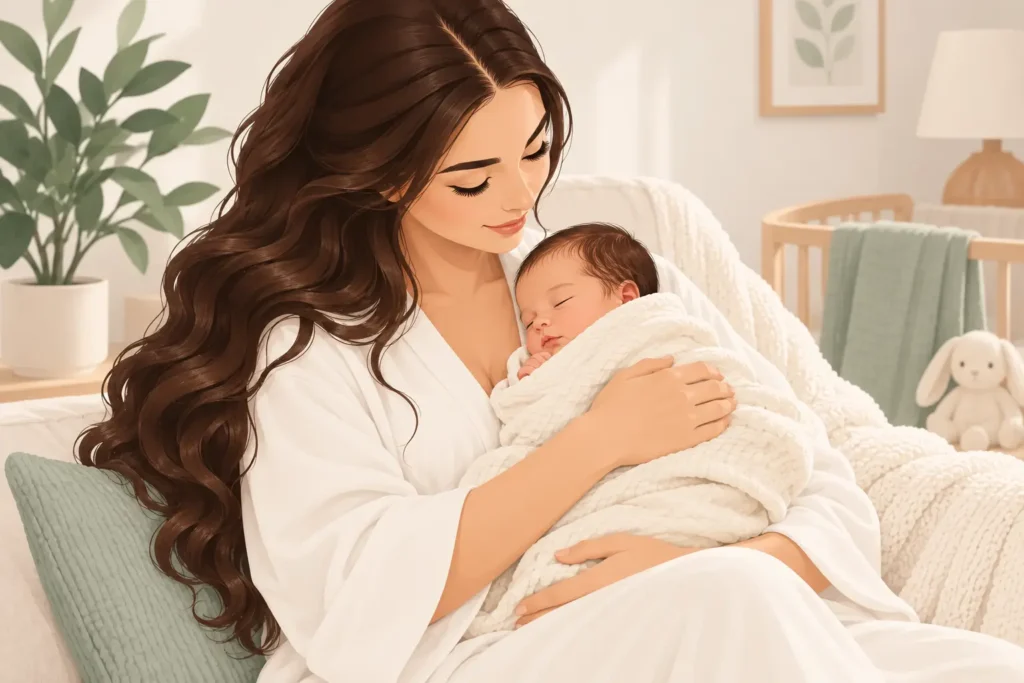
Pregnancy itself is not generally considered a contraindication for hair extensions. However, many women experience increased hair shedding after childbirth due to hormonal changes. If postpartum hair loss is significant, it may be advisable to wait until shedding stabilizes before installing extensions.
When Hair Extensions Are Safe
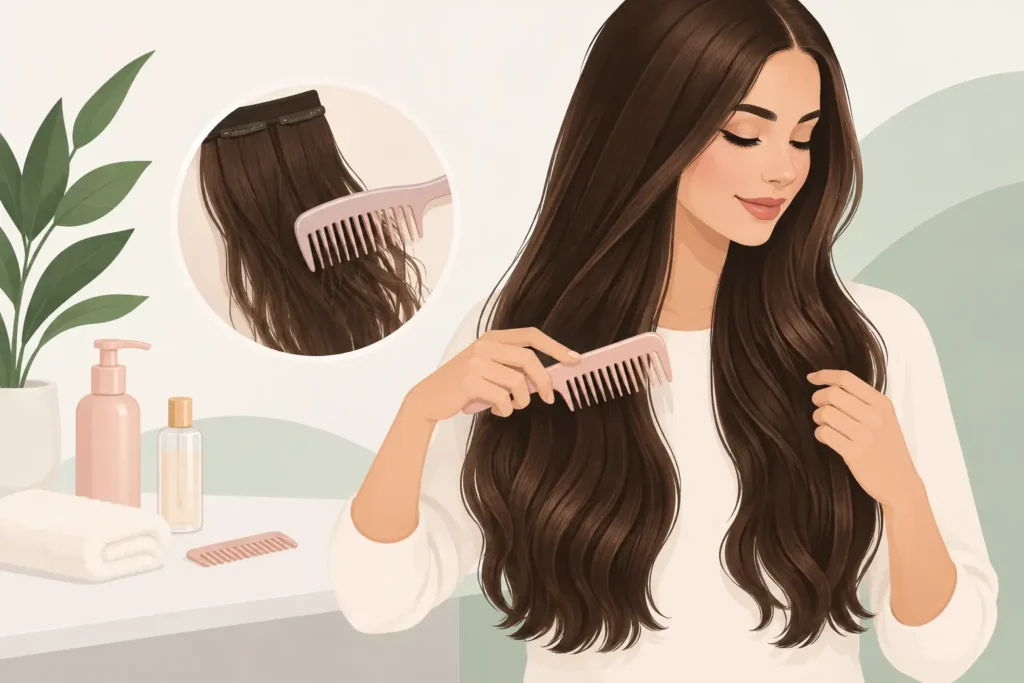
Hair extensions are generally considered safe when:
- Natural hair is healthy
- The scalp is free from active conditions
- Installation is performed by a trained professional
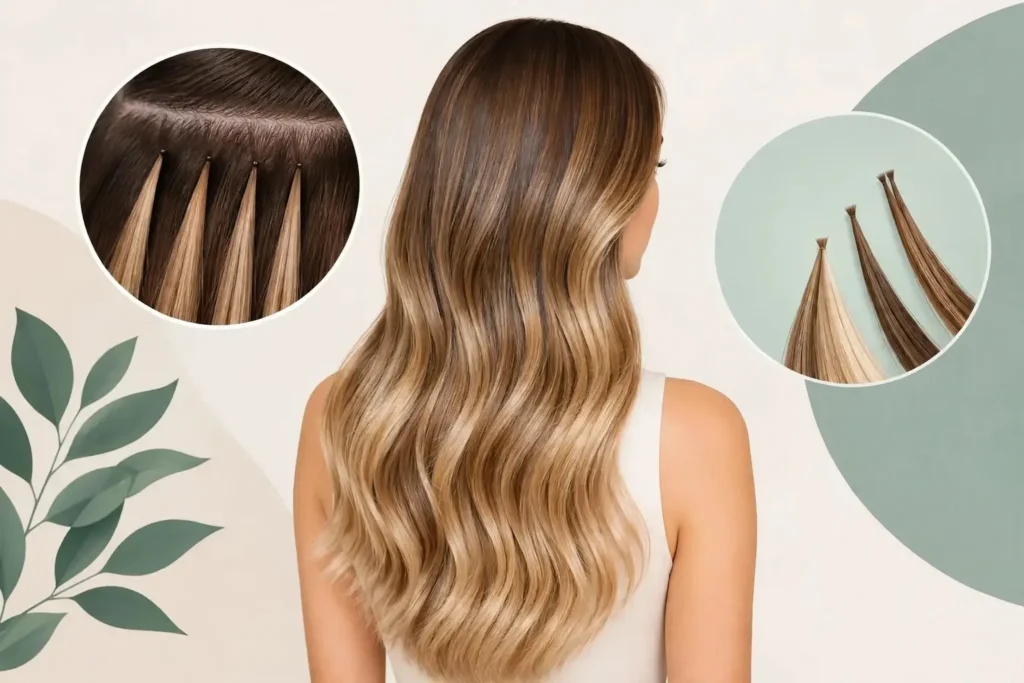
- High-quality hair and extension methods are used
- Maintenance instructions are followed carefully
Modern extension techniques can create beautiful, natural-looking results while preserving the integrity of your natural hair.
Final Thoughts
Hair extensions can be a transformative beauty investment, but they are not suitable for everyone at every stage of their hair journey. If you are experiencing hair loss, scalp issues, or severe hair damage, consult a qualified hair extension specialist before proceeding.
A professional assessment will help determine the safest method and ensure that your natural hair remains healthy, strong, and beautiful while achieving your desired look.
Still Not Sure If Hair Extensions Are Right for You?
Every hair type is unique, and not all clients have the same starting point. If you are unsure whether hair extensions are suitable for your hair condition, scalp health, or lifestyle, we are here to help.
Our team offers a free personalized consultation where we will assess your hair, answer all your questions, and recommend the safest and most suitable extension method for your needs.
Whether you are concerned about hair thinning, previous damage, maintenance requirements, or simply want professional advice, feel free to contact us.
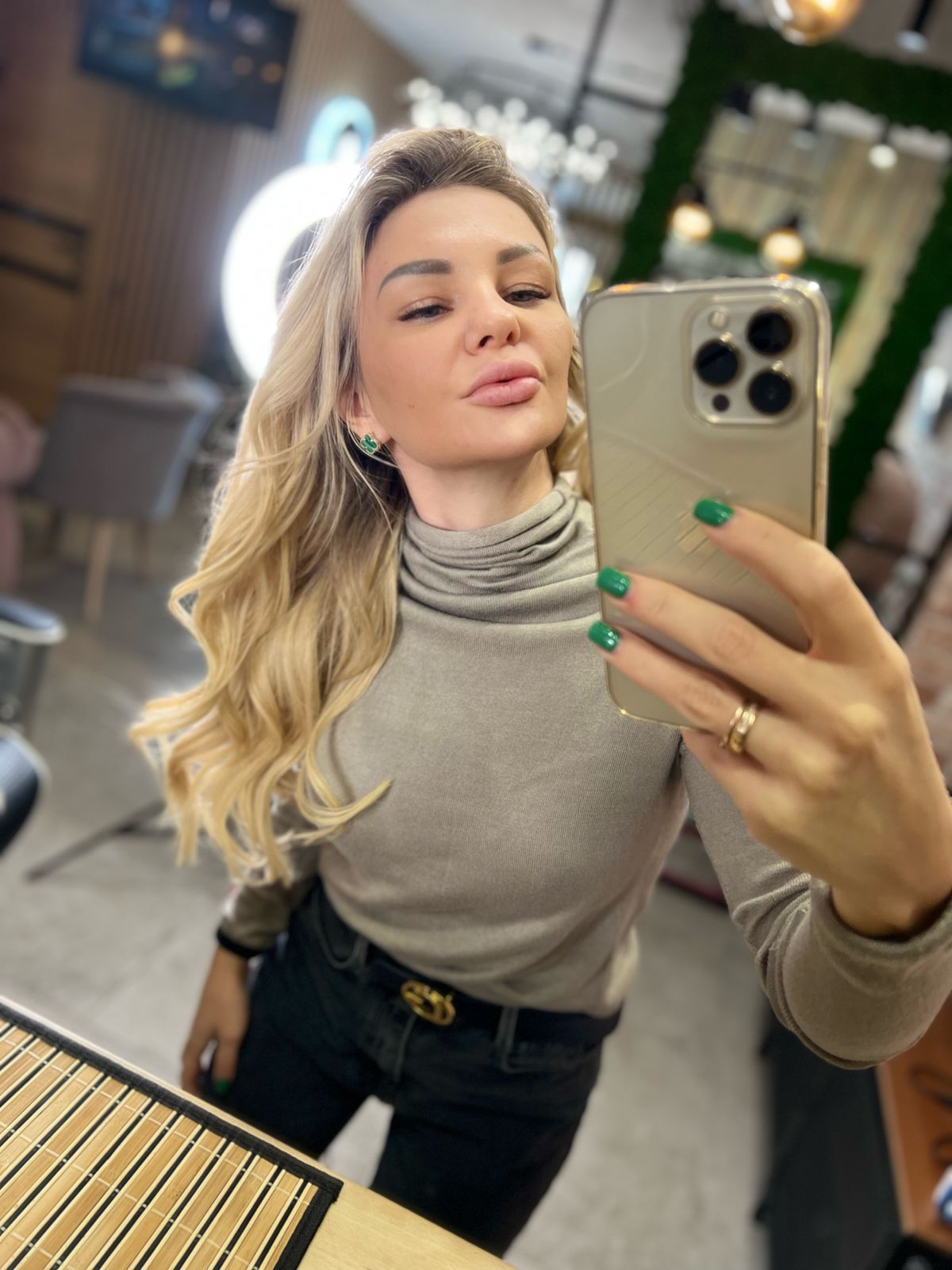
Certified hair extension stylists with 14+ years of experience. Own production of virgin Slavic hair, 10,000+ bundles in stock, salon in Dubai. Specialization: keratin extensions, ethical sourcing Russia & CIS, cold color technology.