How to Sleep With Hair Extensions Without Tangling
A beautiful extension result is protected as much at night as it is in the salon. Learning how to sleep with extensions is not about adding a complicated ritual to your evening. It is about preventing the small sources of friction, tension, and tangling that can make hair feel less comfortable by morning.
If you wear professionally installed keratin bonds, tape-ins, or wefts, your nighttime routine should keep the attachments dry, the lengths protected, and your natural roots free from unnecessary tension. Removable extensions, such as clip-ins, should be taken out before sleeping and stored properly. A few deliberate minutes before bed can make brushing easier, preserve a natural finish, and support a more comfortable wear period.
How to Sleep With Extensions: The Essential Routine
Never go to bed with wet or even damp extensions. Moisture held close to the roots and attachment points can create tangling while you sleep. With keratin extensions in particular, hair should be fully dry before it is gathered or placed against a pillow.
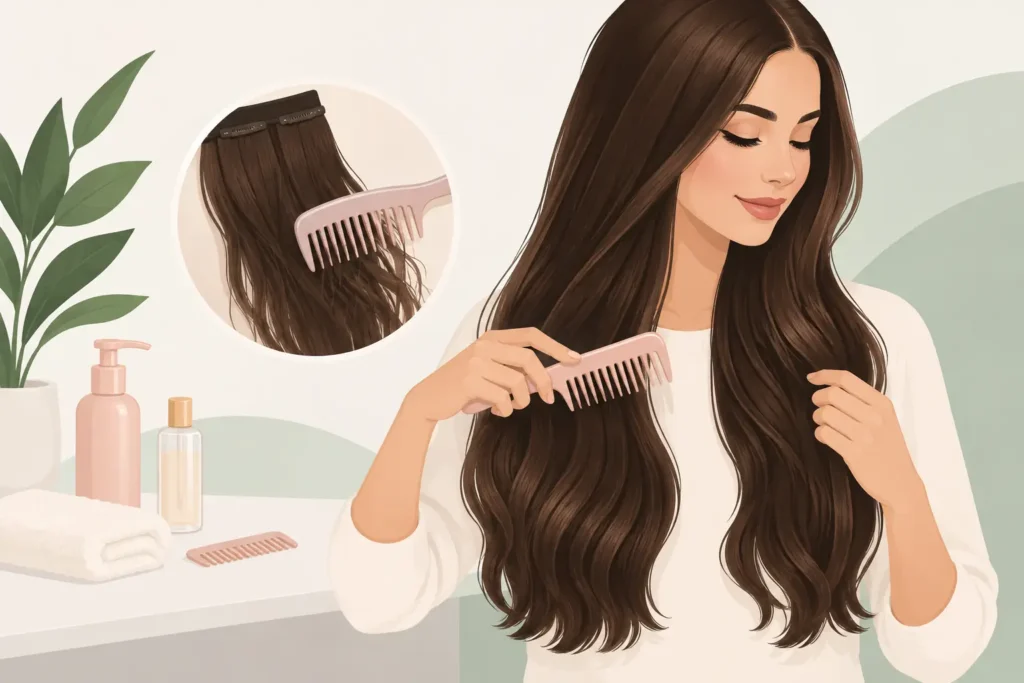
Start by gently brushing your hair from the ends upward. Hold the hair above the area you are brushing so you are not pulling at the roots or bonds. Once the lengths are smooth, use your fingers to check that the roots are separated and that no strands are wrapped around the attachment points.
Then gather the hair loosely. A low, soft braid is usually the most reliable option for long hair because it keeps the lengths contained without placing pressure on one area. If you prefer not to braid, a loose low ponytail can work well, provided the hair tie is soft and not tightened against the attachments. The right choice depends on your length, density, and extension method, but the style should never feel restrictive.
For curly or textured hair, two loose braids may keep the pattern more organized than one. For shorter extensions, a low loose ponytail may be more comfortable. The test is simple: if you can feel a pull when you lie down, loosen the style before sleeping.
Why Hair Extensions Can Tangle While You Sleep
Hair moves continuously against a pillowcase as you turn during the night. When extension lengths are left completely loose, that movement creates friction through the mid-lengths and ends. Fine hair is especially prone to knotting, while longer lengths can twist around themselves or around the attachment areas.
This does not mean you need to wear a tight hairstyle to bed. In fact, tight braids, high buns, and firm ponytails can create a different problem by pulling the hair at the root. Extension care is about balance: enough control to reduce friction, enough looseness to keep your scalp comfortable.
A smooth satin or silk pillowcase can also make a noticeable difference. It allows hair to glide more easily than a highly textured cotton surface, helping reduce roughness and morning frizz. It is a useful addition, but it does not replace brushing, drying, and loosely securing the hair.
Choose a Protective Style That Fits Your Method
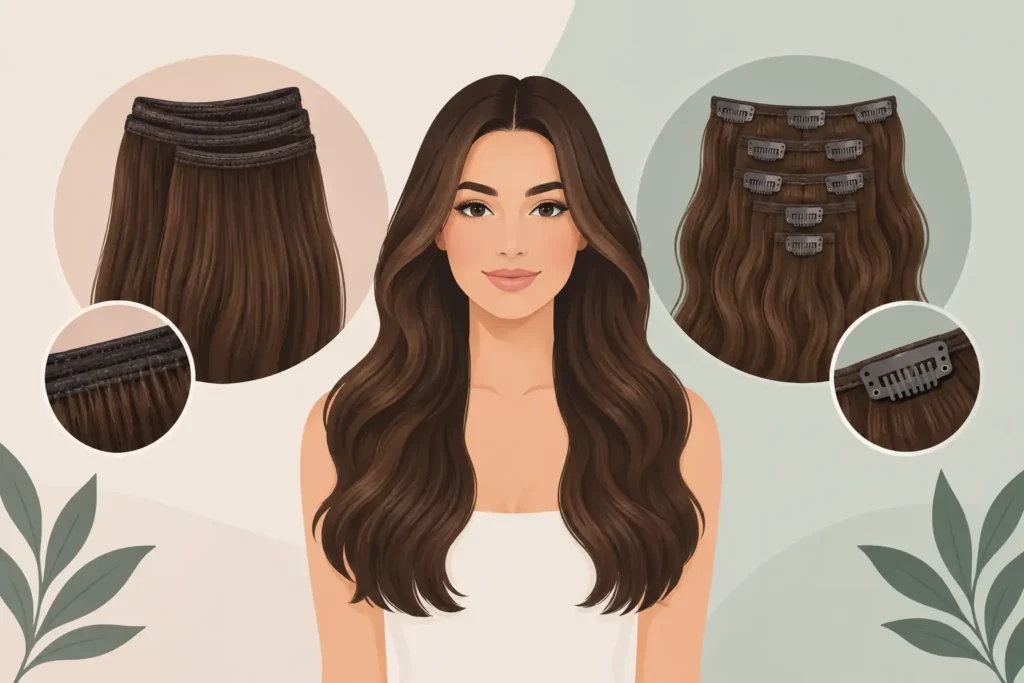
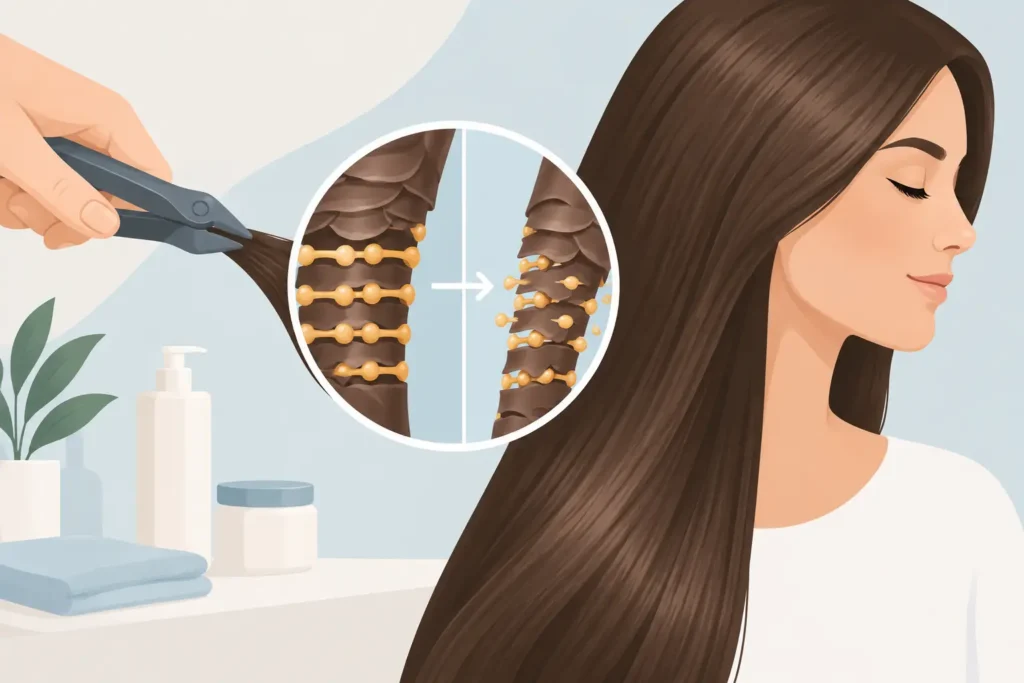
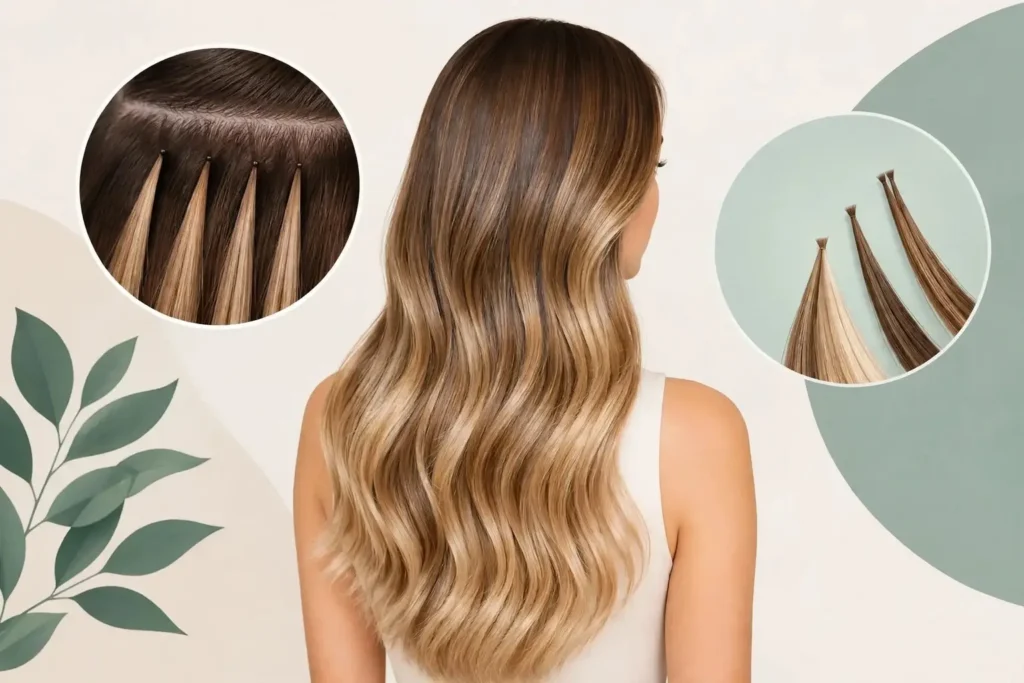
Keratin Bond Extensions
Keratin bonds are designed to sit discreetly near the root, so avoid styles that create repeated tension directly on them. A low loose braid is often ideal. Keep the braid below the bond area rather than beginning it tightly at the scalp.
Do not sleep with a high bun. It may feel neat, but it can pull the rows of hair upward and make the bond area uncomfortable. If your extensions are very long, bring the loose braid gently over one shoulder or place it behind you without trapping it beneath your body.
Tape-In Extensions
Tape-ins need a clean, dry root area and should not be exposed to oils or heavy leave-in products near the tabs. Before bed, brush carefully around each panel and make sure the hair is dry at the scalp. A loose braid helps prevent the panels from moving against one another overnight.
Avoid folding, twisting, or pinning the hair in a way that puts a sharp bend through the tape area. Your sleeping style should support the flat, natural placement created during installation.
Wefts and Hand-Tied Extensions
With wefts, pay particular attention to the row area when brushing. Use your fingers to support the base while brushing below it, then secure the lengths in a loose braid. If you have more than one row, make sure the hair is not caught between rows before you sleep.
A very low braid may feel more comfortable than a ponytail, especially if you tend to sleep on your back. The goal is to keep the length from rubbing while allowing the rows to rest naturally against the head.
Clip-Ins and Other Removable Pieces
Removable extensions should be taken out before bed. This protects both your own hair and the piece itself. Brush the extension gently, store it clean and dry, and avoid leaving clips attached overnight, even if you are only planning a short nap.
Different extension methods require different nighttime routines, and the right approach depends on your hair length, texture, and attachment type. If you’re wearing hair extensions in Dubai and aren’t sure how to protect them overnight, NICE HAIR specialists can help you understand which sleeping habits suit your installation. Ask our Dubai team for personalized aftercare advice on WhatsApp
Your Pillow Position Matters More Than You Think
If you sleep on your side or back, position your loose braid wherever it feels comfortable without trapping it beneath your neck or placing tension on the attachment points. You do not need to maintain one exact sleeping position throughout the night. These small adjustments reduce pressure and prevent the hair from being trapped in one position for hours.
There is no perfect sleeping position for every client. Some people naturally move throughout the night, and that is completely normal. A smooth pillowcase and a loose protective style matter more than trying to force yourself to sleep in an unfamiliar position.
If you wear a silk or satin bonnet, choose one with enough room for your length. A bonnet that compresses the hair tightly can flatten the root area or create uncomfortable pressure. For many clients, a pillowcase is simpler and more comfortable than a bonnet, especially with keratin bonds or weft rows.
What Not to Do Before Bed
The most common nighttime mistakes are usually well intentioned. Avoid sleeping with wet hair, applying heavy oils close to the roots, or wearing a tight topknot to keep hair off your face. These habits can make the scalp feel tender and can complicate detangling the next morning.
Also avoid brushing aggressively when you are tired. If you find a knot, hold the hair above it and begin at the lowest part of the tangle. Pulling quickly from the root can transfer force directly to your natural hair and attachment points.
Do not use a small elastic that cuts into the hair. A soft scrunchie or gentle fabric tie is a better choice. It should hold the braid together, not cinch it tightly.
The Morning Check That Preserves Your Results
In the morning, remove the braid or ponytail slowly, then separate the roots with your fingers before brushing. Start at the ends and work upward in sections. This gives you a chance to notice any small knot before it becomes more difficult to remove.
Take a moment to feel the attachment areas. They should remain comfortable and lie close to the head. If you notice persistent tightness, unusual slipping, scalp discomfort, or tightly matted hair near an attachment, avoid pulling or cutting the affected section. Contact your extension specialist for an assessment, as the attachment may need professional adjustment or removal.
At NICEHAIR, aftercare is treated as part of the installation, not an afterthought. The right length, density, placement, and home routine work together to create extensions that look refined in daily life, including when you wake up after a full night of sleep.
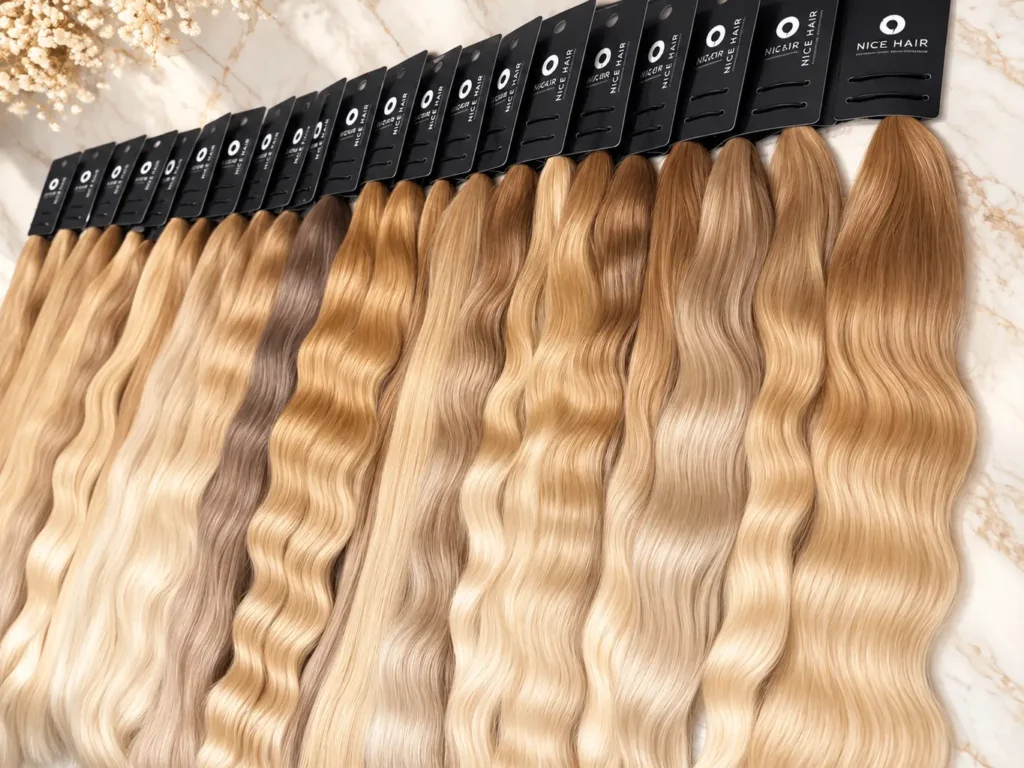
A gentle nighttime routine can help maintain the softness and appearance of hair extensions, but the quality of the hair itself matters too. NICE HAIR produces natural human hair in Russia and offers a selection of lengths, shades, and textures for professional extension work. If you’re looking for high-quality natural hair extensions for your salon or personal use, contact our international hair sales team on WhatsApp.
Frequently Asked Questions About Sleeping With Hair Extensions
Can you sleep with hair extensions in?
Yes, professionally installed hair extensions, such as keratin bonds, tape-ins, and sewn-in wefts, are designed to remain attached overnight. Before bed, make sure your hair and attachment areas are completely dry, brush gently, and secure the lengths in a loose braid or low ponytail. Removable extensions, including clip-ins, should be taken out before sleeping to avoid unnecessary tension and tangling.
What is the best hairstyle for sleeping with hair extensions?
A loose, low braid is often one of the most practical hairstyles for sleeping with extensions. It helps keep longer strands together and reduces friction against your pillow. A soft, low ponytail may also work, depending on your extension method and hair length. Avoid tight buns, restrictive braids, and hairstyles that pull directly on the attachment points.
How do you sleep with keratin bond extensions without damaging them?
Before sleeping with keratin bond extensions, gently detangle the lengths and check that the attachment areas are dry. Secure your hair in a loose braid that begins below the bonds rather than tightly against the scalp. Avoid sleeping with wet roots or hairstyles that create constant pulling. If the bonds feel painful, tight, or unusually uncomfortable, contact your extension specialist.
Can you sleep with tape-in hair extensions?
Yes, tape-in hair extensions are designed for continuous wear, including overnight. To help protect them, dry your roots and adhesive tabs thoroughly, brush carefully, and loosely secure your hair before bed. Avoid applying heavy oils or conditioners directly to the tape area. Sleeping in tightly pulled hairstyles or with damp attachment points may increase discomfort, tangling, or maintenance problems.
Does a silk or satin pillowcase help prevent hair extensions from tangling?
Silk and satin pillowcases may help reduce friction between your hair and the pillow while you sleep. This can make extensions easier to manage and may help minimize morning tangles and frizz. However, a smooth pillowcase does not replace proper brushing, complete drying, or a loose protective hairstyle. Consistent nighttime care is more important than relying on one accessory alone.

Certified hair extension stylists with 14+ years of experience. Own production of virgin Slavic hair, 10,000+ bundles in stock, salon in Dubai. Specialization: keratin extensions, ethical sourcing Russia & CIS, cold color technology.