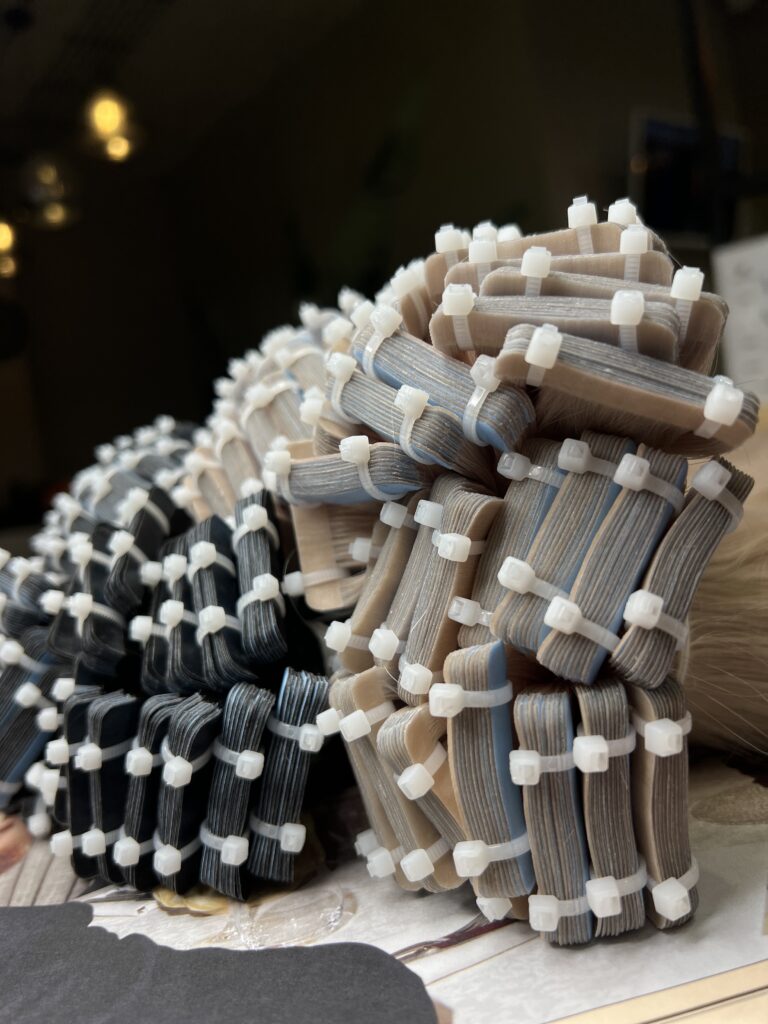
Hair weft extensions remain one of the most popular solutions for adding volume, thickness, and length to natural hair. Among the most common options are hand-tied wefts and machine wefts. While both methods provide beautiful results, they differ significantly in construction, comfort, durability, and installation techniques.
What Are Hand-Tied Weft Extensions?
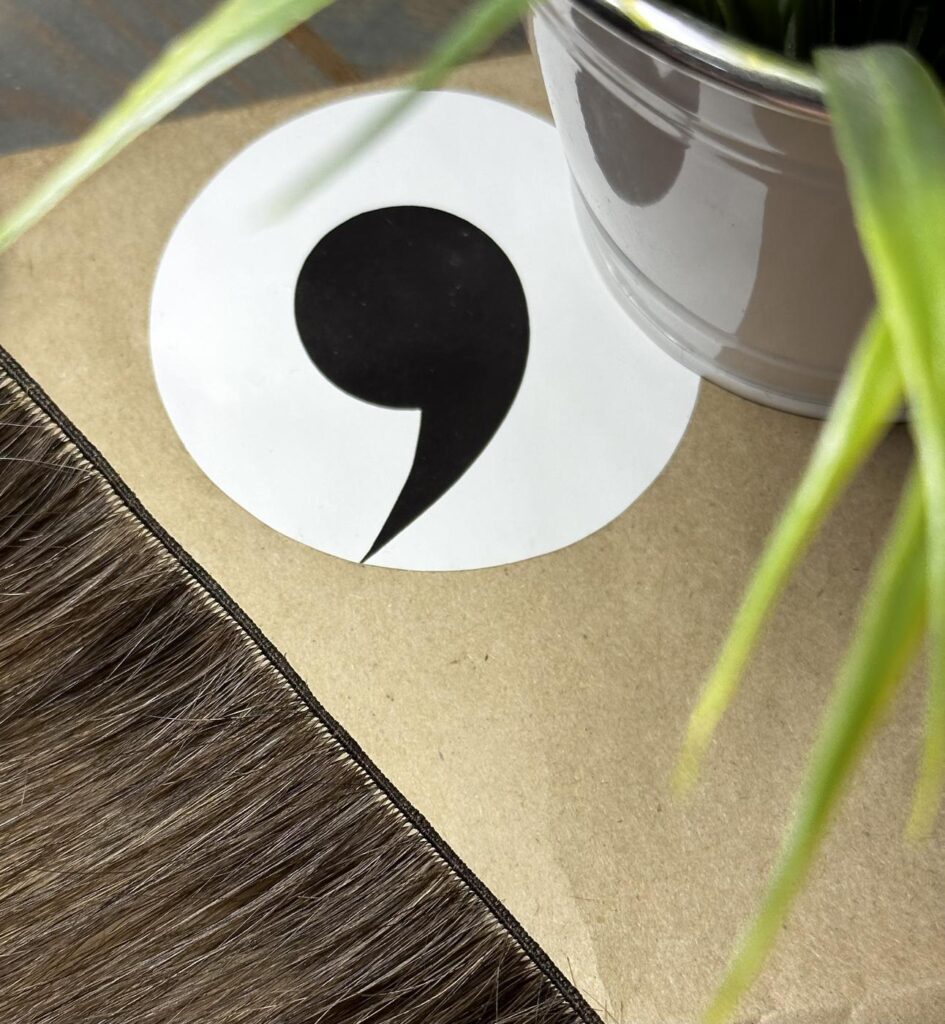
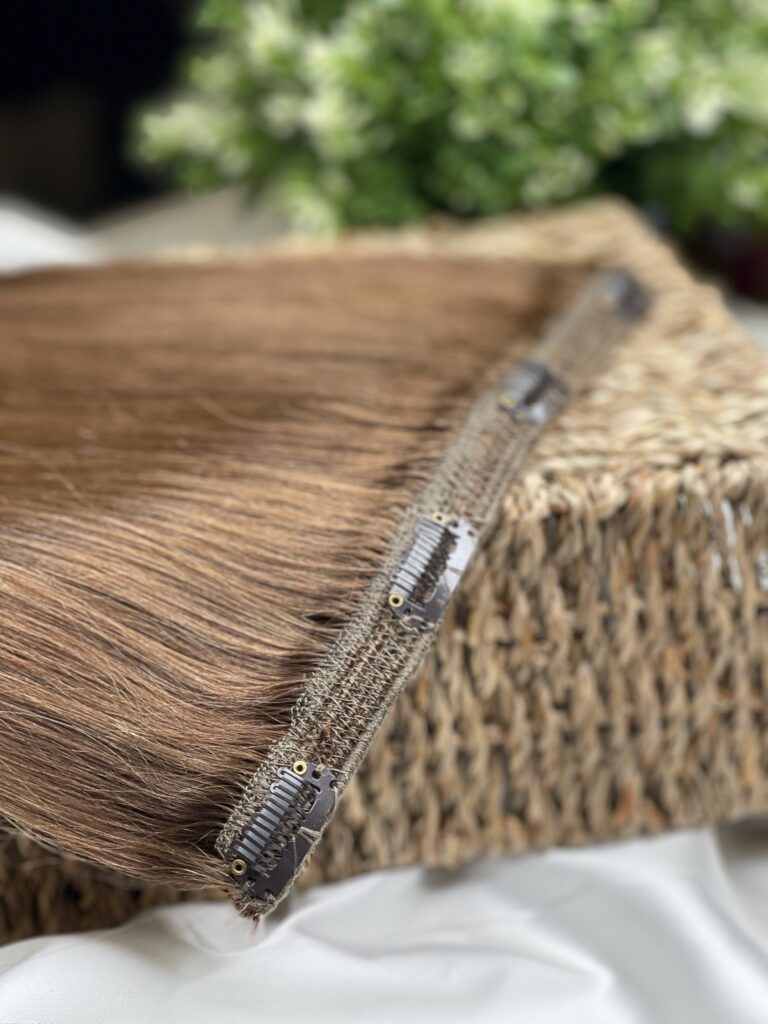
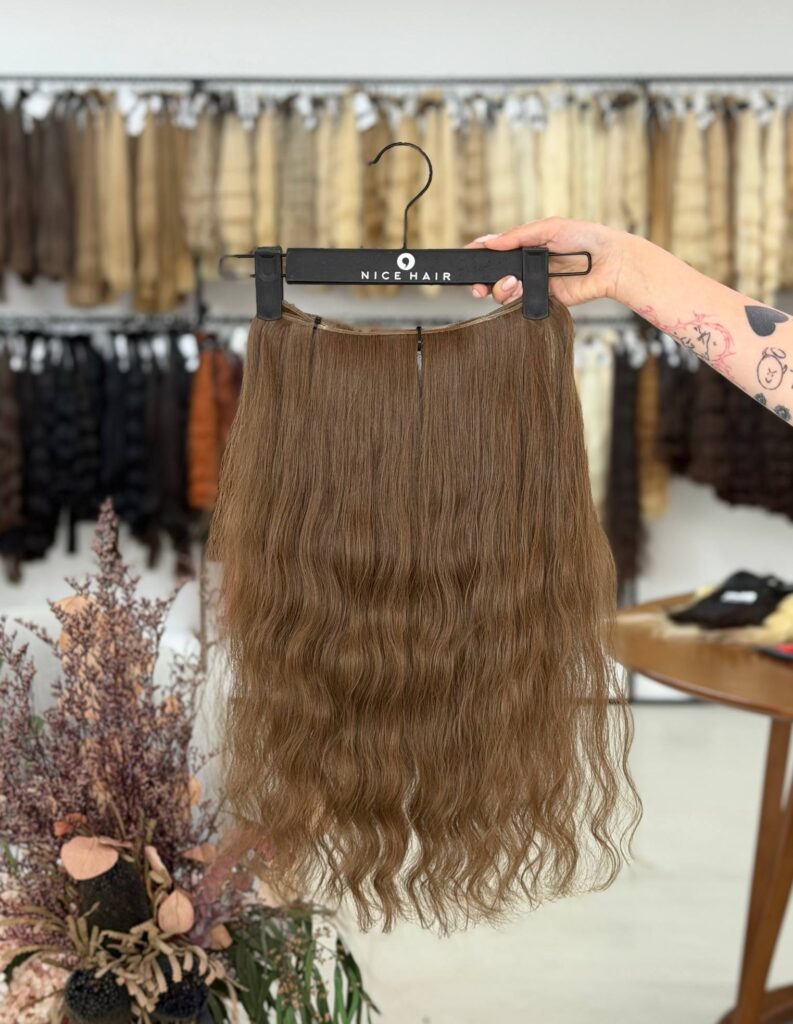
Hand-tied wefts are created by manually sewing individual hair strands into a thin weft by hand. This process creates a lightweight and flexible extension that lays flat against the scalp.
Because the weft is thinner and more delicate, hand-tied extensions provide a highly natural appearance and seamless blend.
Benefits of Hand-Tied Wefts
Professional stylists often recommend hand-tied extensions for clients with:
- Fine hair
- Thin hair density
- Sensitive scalp
- Desire for a lightweight feel
- Natural-looking volume
Main advantages include:
- Thin and discreet attachment line
- Comfortable daily wear
- Flexible movement
- Natural blending
- Less bulky installation
Hand-tied wefts are especially popular for luxury hair extension applications because they create an invisible finish.
What Are Machine Weft Extensions?
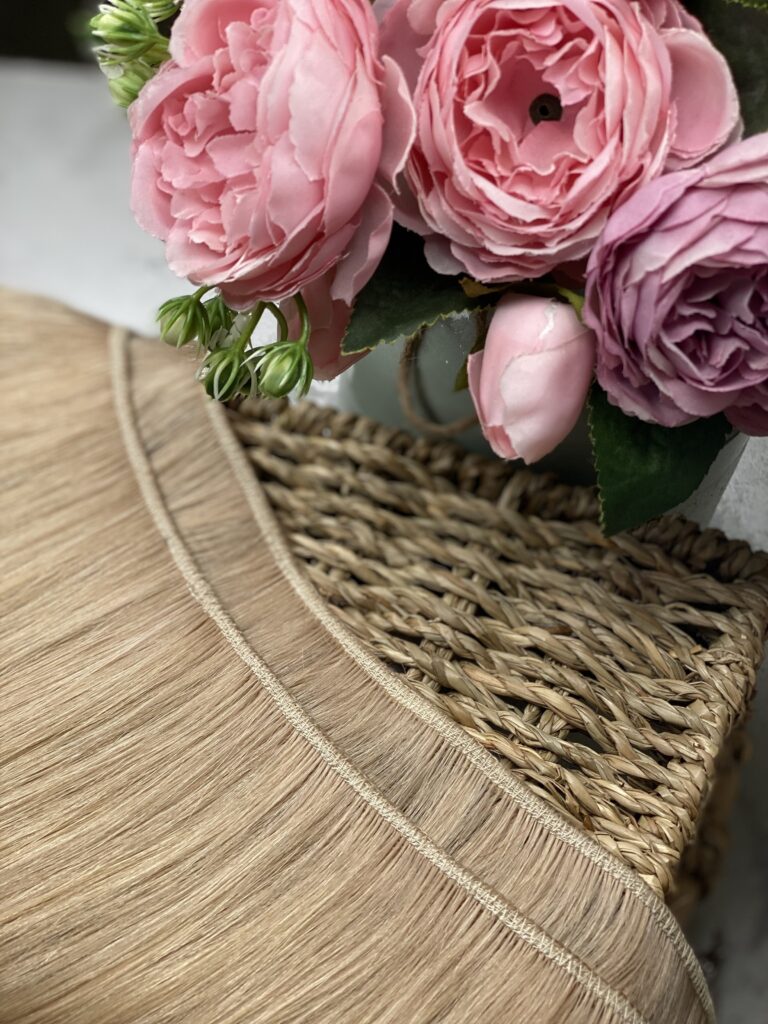
Machine wefts are produced using sewing machines that stitch hair together into a thicker and more durable track. This method creates stronger construction and allows the weft to hold larger amounts of hair.
Machine wefts are commonly used for clients seeking:
- Maximum volume
- Thick hairstyles
- Long-lasting durability
- Cost-effective extensions
These extensions are generally heavier than hand-tied wefts but can provide dramatic transformation results.
Main Differences Between Hand-Tied and Machine Wefts
Thickness and Weight
Hand-tied wefts are thinner and lighter. They sit flatter against the scalp and feel more natural during wear.
Machine wefts are thicker and denser due to the sewing process. They may feel heavier, especially on fine hair.
Comfort Level
Because hand-tied wefts are lightweight, many clients find them more comfortable for long-term wear.
Machine wefts can sometimes create additional tension if too much weight is installed on fragile hair.
Durability
Machine wefts are highly durable and resistant to shedding because of their reinforced stitching.
Hand-tied wefts are more delicate and require careful handling during installation and maintenance.
Customization
Hand-tied wefts offer greater flexibility for custom placement and blending.
Machine wefts may require cutting during installation, depending on the technique used by the stylist.
Installation and Maintenance
Both hand-tied and machine wefts require professional installation by an experienced hair extension specialist.
Proper maintenance includes:
- Sulfate-free hair products
- Gentle brushing
- Regular repositioning appointments
- Heat protection
- Professional removal
Maintenance appointments are typically recommended every 6 to 10 weeks depending on hair growth and installation method.
Hand-tied wefts are typically installed using a beaded row technique. The stylist creates a foundation row with small silicone-lined beads attached to the natural hair. Machine wefts are usually installed by sewing the thicker weft onto braided sections or beaded foundation rows. Due to their denser construction, machine wefts can hold more hair volume and are often preferred for clients with thicker natural hair.
Final Thoughts
Both hand-tied and machine weft hair extensions offer beautiful results when professionally installed. Hand-tied wefts provide lightweight comfort and a seamless appearance, while machine wefts deliver durability and maximum volume.
Choosing the right hair extension method depends on your hair type, styling goals, and maintenance preferences. Consulting with an experienced hair extension specialist ensures safe installation and natural-looking results that protect the health of your natural hair.