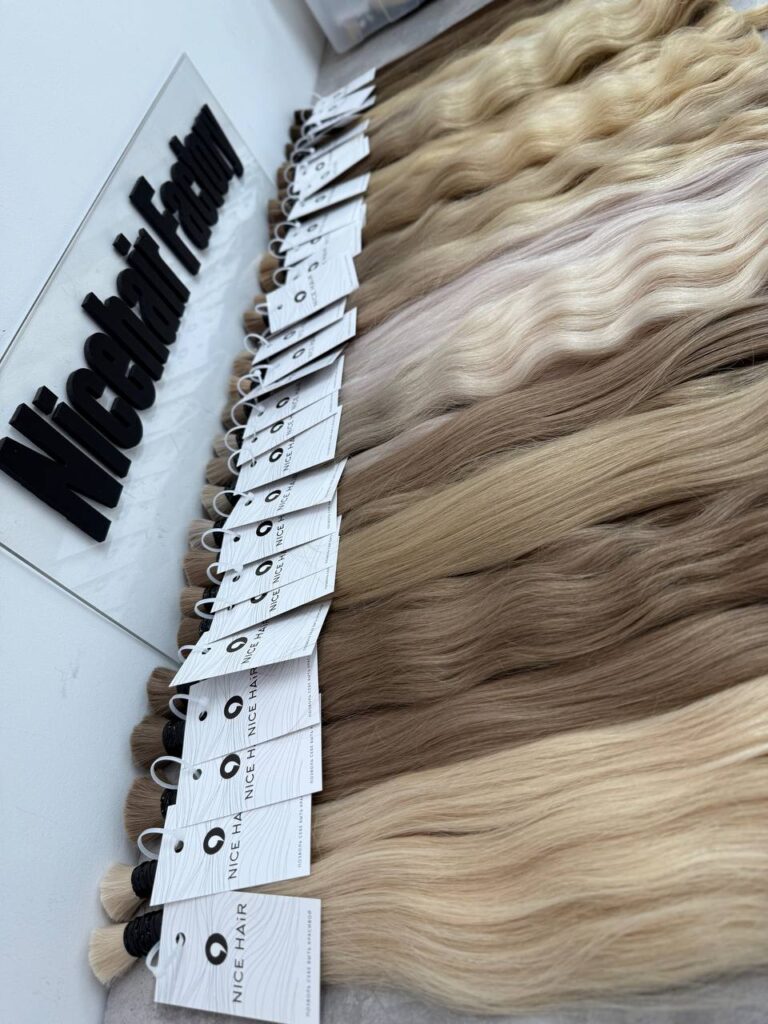
Hair is one of the most distinctive features of human appearance, but not all hair is created equal. Different hair structures have unique characteristics that affect their texture, strength, moisture retention, and styling needs. Understanding the differences between straight, wavy, curly, and coily hair can help individuals choose the right hair care routine and products for healthy, beautiful hair.
What Determines Hair Texture?
Hair texture is primarily determined by genetics. The shape of the hair follicle influences whether hair grows straight, wavy, curly, or coily.
Several factors affect hair structure:
- Hair follicle shape
- Hair shaft thickness
- Natural oil distribution
- Protein composition
- Environmental influences
- Hormonal changes
Although genetics play the biggest role, hair texture can also change over time due to aging, hormonal fluctuations, chemical treatments, or heat damage.
The Four Main Hair Textures Kinds
Straight Hair
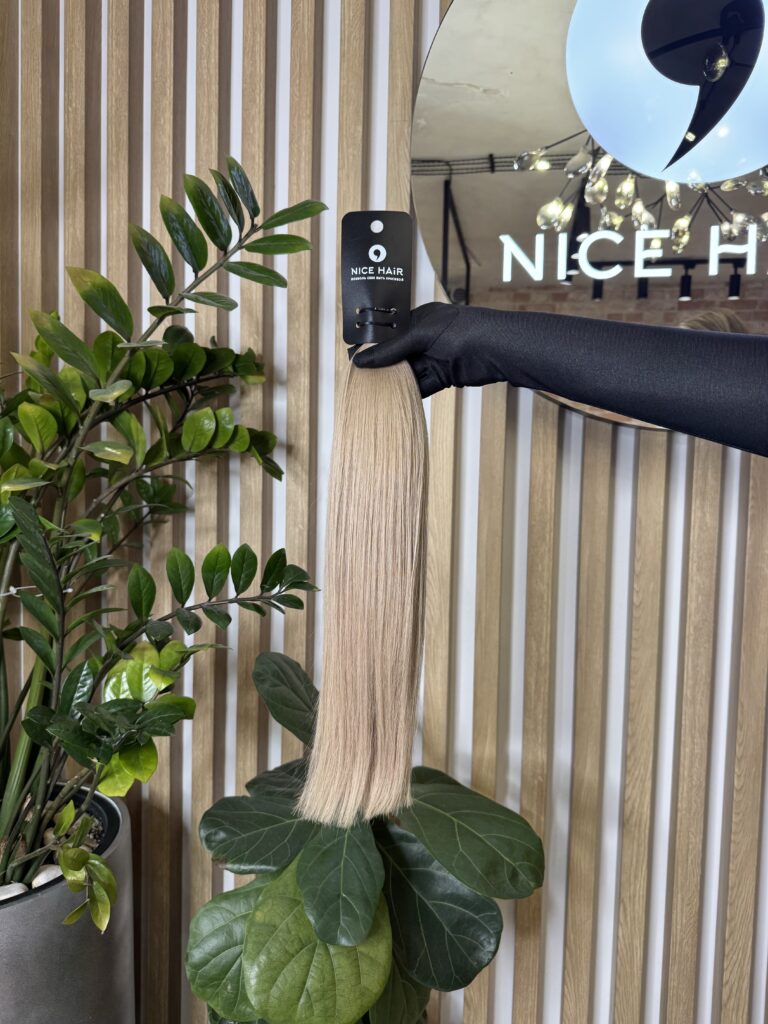
Straight hair grows from round hair follicles and has little to no natural curl.
Characteristics
- Smooth texture
- Reflects more light, creating natural shine
- Sebum travels easily from scalp to ends
- Can become oily faster
- Often resistant to curling
Advantages
- Easy to brush
- Minimal frizz
- Naturally shiny
- Simple maintenance
Challenges
- May lack volume
- Gets greasy quickly
- Hairstyles may not hold for long
Wavy Hair
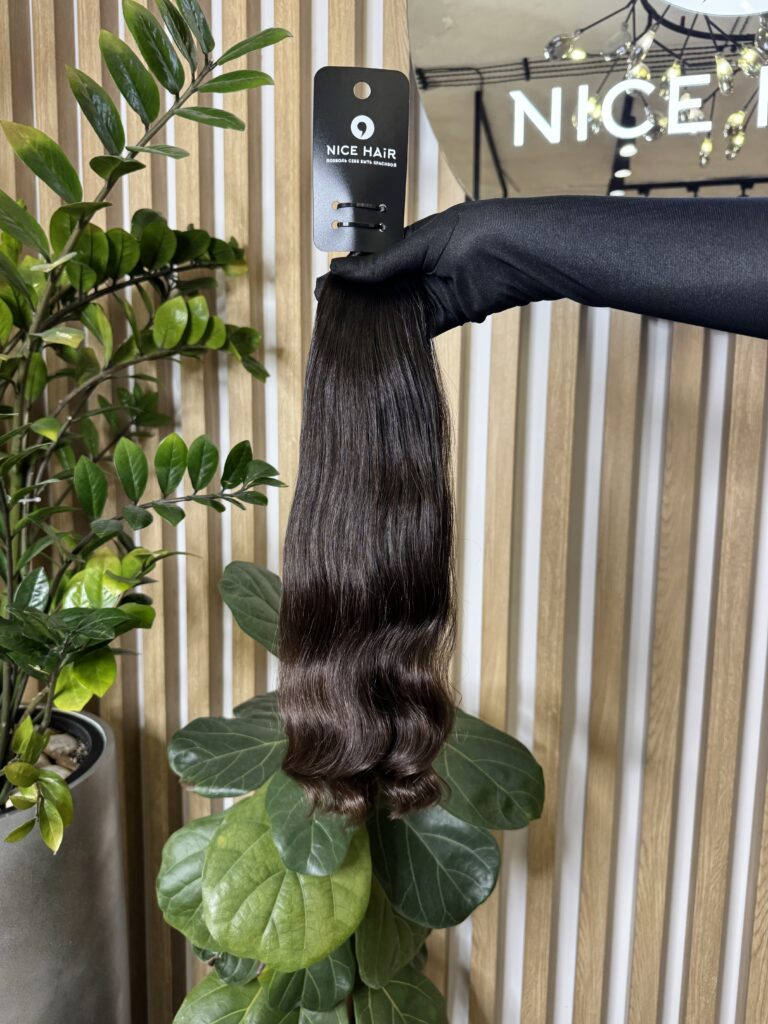
Wavy hair falls between straight and curly. It forms loose “S” patterns and offers natural body with moderate texture.
Characteristics
- Soft waves
- Medium shine
- Moderate frizz
- Can become either oily or dry depending on thickness
Advantages
- Natural volume
- Easy styling versatility
- Holds hairstyles well
Challenges
- Frizz in humid weather
- Uneven wave patterns
- Requires moisture balance
Curly Hair
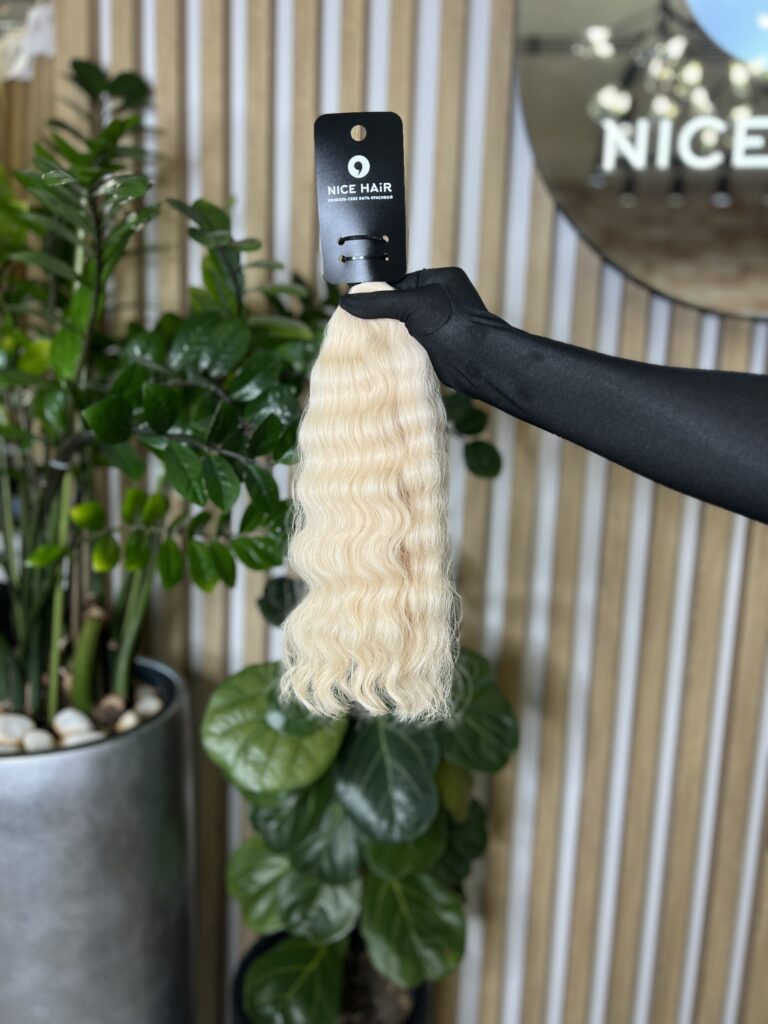
Curly hair forms defined spiral curls ranging from loose ringlets to tighter corkscrews.
Characteristics
- High volume
- Less natural shine
- Prone to dryness
- More fragile than straight hair
Natural scalp oils struggle to travel through the twists of curly strands, making hydration essential.
Advantages
- Beautiful curl definition
- Excellent volume
- Long-lasting hairstyles
Challenges
- Frizz
- Tangling
- Breakage
- Dry ends
Hair Porosity and Its Role
Hair porosity refers to the condition of the hair cuticle and determines how easily moisture enters and leaves the hair shaft. As a hair extension specialists with years of hands-on experience, we can say that porosity is one of the first characteristics professionals assess before recommending products, treatments, or extension methods. Two clients with the same hair texture can have completely different porosity levels, requiring entirely different care routines.
Low Porosity Hair
Low porosity hair has a tightly closed cuticle layer, making it resistant to moisture absorption. Water and conditioning treatments tend to remain on the surface before gradually penetrating the hair shaft. Choose lightweight, water-based products and avoid applying heavy oils or rich butters, which can create buildup instead of providing hydration. Gentle heat, such as a warm towel during deep conditioning, helps open the cuticle and improves moisture absorption.
Medium Porosity Hair
Medium porosity is considered the ideal balance. The cuticle is slightly open, allowing moisture to enter and remain inside the hair without excessive loss. This hair type generally responds well to professional coloring, styling, and most hair extension techniques. Avoid excessive heat styling or chemical processing, which can gradually increase porosity over time.
High Porosity Hair
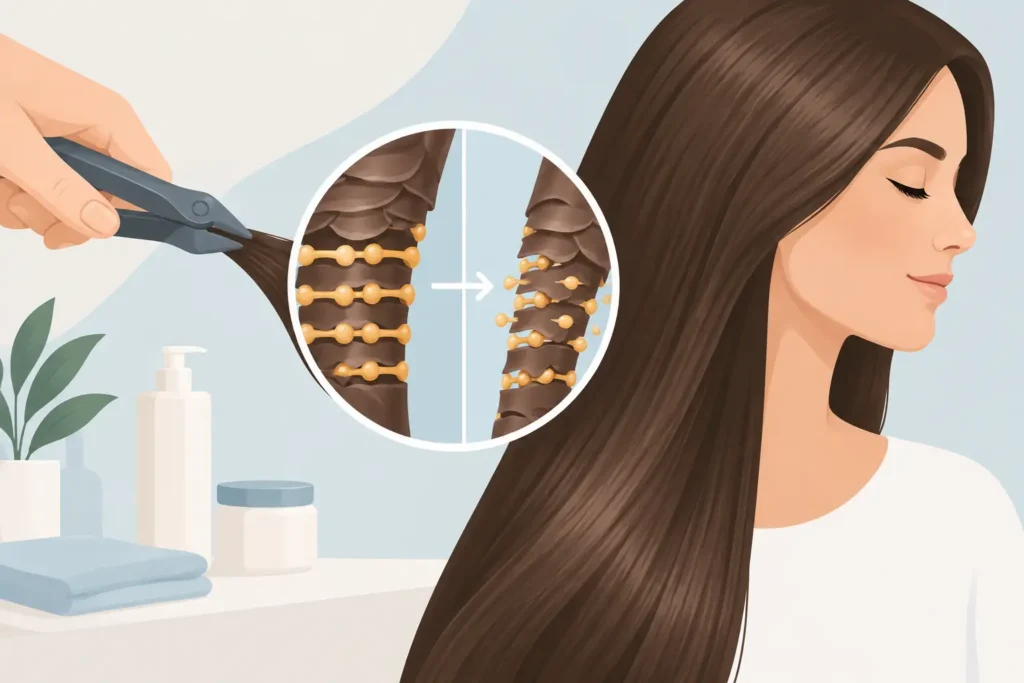
High porosity hair has a raised or damaged cuticle, allowing moisture to enter quickly but escape just as fast. This condition is commonly seen after frequent bleaching, coloring, heat styling, or other chemical services. It is also one of the most important factors to evaluate before installing hair extensions, as highly porous hair requires additional protection to maintain strength and longevity. Advice: focus on strengthening and sealing the cuticle with protein treatments, moisturizing masks, and products that help lock in hydration. Reducing heat exposure and minimizing chemical processing are essential for improving the hair’s overall condition.
Can Hair Texture Change?
While your natural hair texture is primarily determined by genetics, it can change over time due to both internal and external factors. Professional stylists often notice gradual texture changes throughout a client’s life, especially after hormonal shifts or repeated chemical services.
Several factors can influence hair texture, including:
- Hormonal changes, including pregnancy and menopause
- Aging
- Medical conditions and certain medications
- Chemical treatments such as bleaching, coloring, perming, or relaxing
- Frequent heat styling
- Environmental damage, including prolonged UV exposure
Some of these changes are temporary, while others may be long-lasting. Heat and chemical damage can weaken the hair cuticle, making hair feel rougher, drier, or less defined. Hormonal changes may also alter the natural curl pattern, causing hair to become straighter, curlier, finer, or coarser.
Final Thoughts
Whether your hair is straight, wavy, curly, or coily, each texture has unique strengths and specific needs. Choosing products that match your hair structure, maintaining proper moisture levels, and avoiding unnecessary damage will help keep your hair healthy, shiny, and manageable.
Instead of trying to change your natural texture, embrace it with a personalized hair care routine designed specifically for your hair type. Healthy hair starts with understanding its structure, respecting its unique characteristics, and providing the nourishment it needs to thrive.
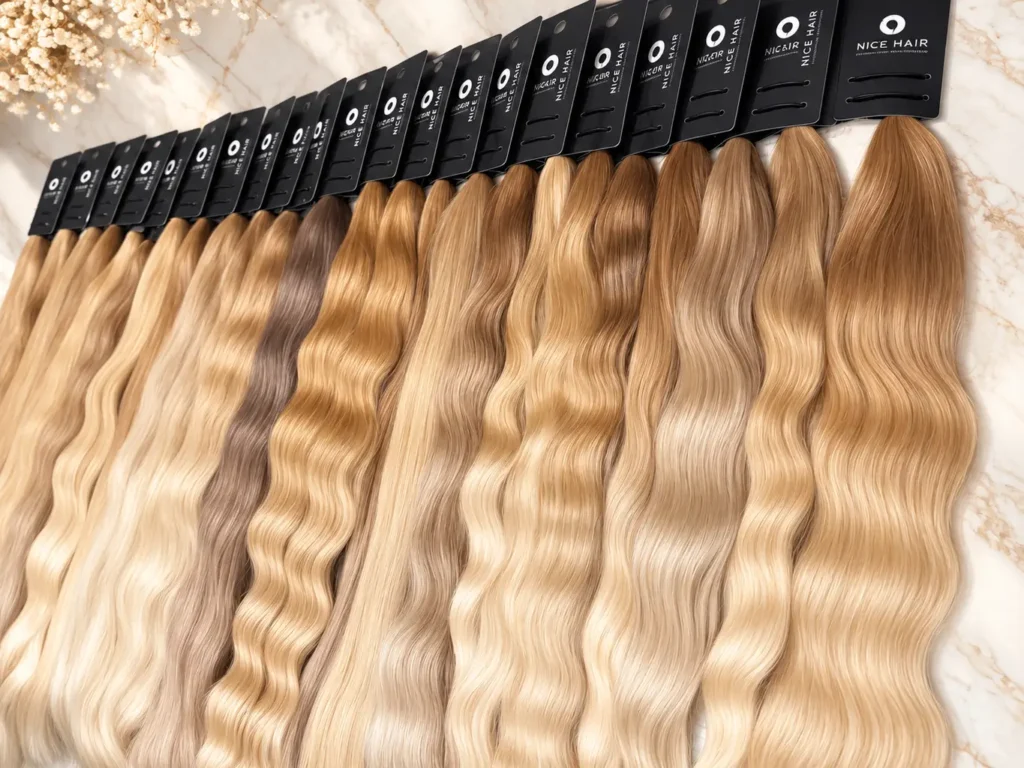
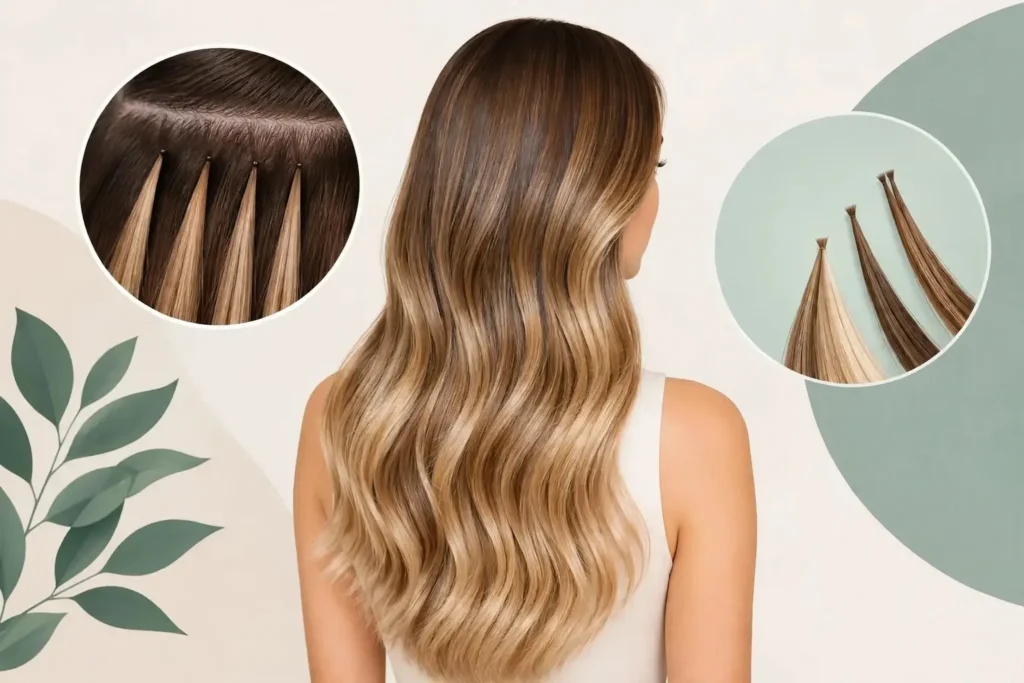
If you’re looking for hair extensions that perfectly match your natural texture, explore our Exclusive Collection. We offer a wide selection of premium-quality hair in a variety of textures—from silky straight and natural waves to defined curls.
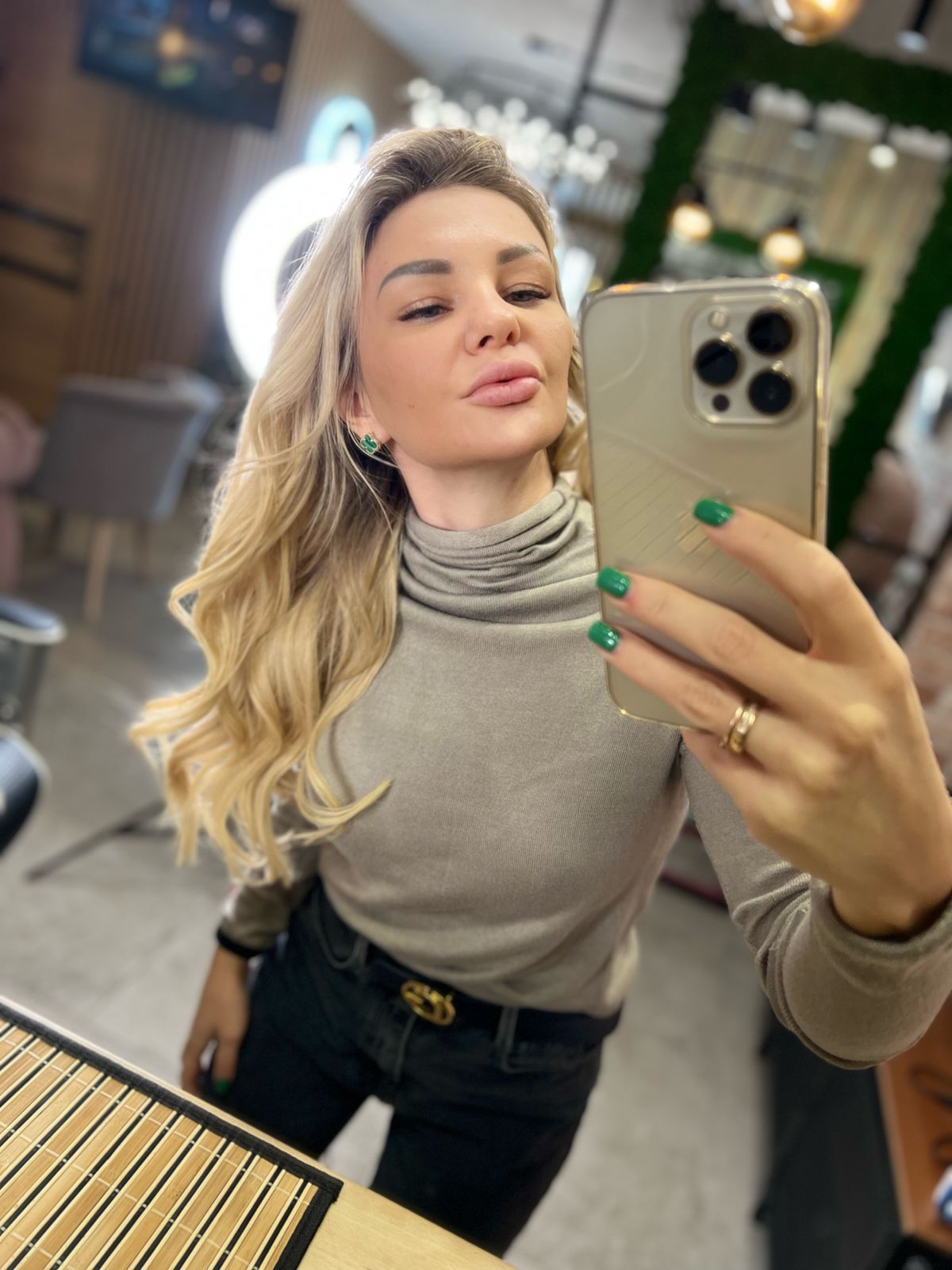
Certified hair extension stylists with 14+ years of experience. Own production of virgin Slavic hair, 10,000+ bundles in stock, salon in Dubai. Specialization: keratin extensions, ethical sourcing Russia & CIS, cold color technology.