Hair extensions are a powerful beauty tool for instantly adding volume, length, and color. However, despite their widespread use, many people are still hesitant to try them due to persistent myths and misconceptions . To help you make an informed decision, we are debunking the three most common myths — from swimming to «foreign energy» — with expert insights.
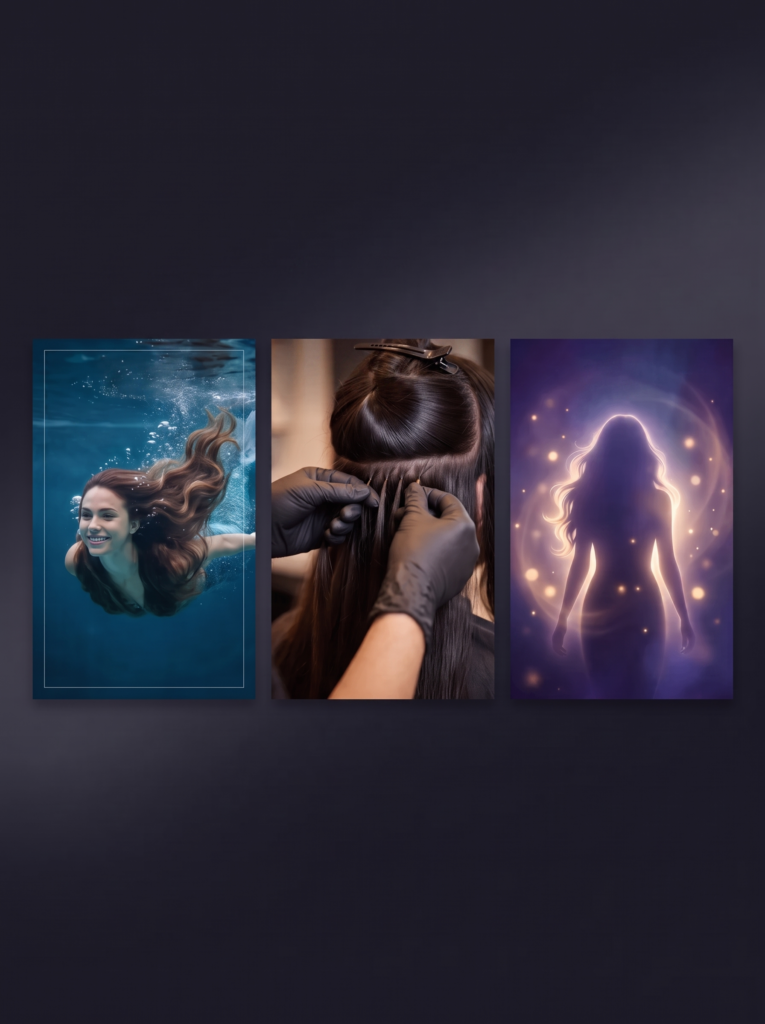
Myth #1: You Can’t Swim or Live an Active Lifestyle with Extensions
The Reality: Modern, high-quality human hair extensions are designed to fit into your lifestyle, including your summer plans. While some older methods might have been restrictive, professional systems today allow you to swim, hit the sauna, and exercise without worry.
The Rules for Swimming:
If you want to go for a swim, you absolutely can. The key is to tie your hair up before entering the water, and you can even use a leave-in protecting conditioner to shield the hair from chlorine. After swimming, it is crucial to wash your hair immediately using a gentle, chlorine-stripping shampoo to maintain its shine and texture.
Myth #2: Hair Extensions Ruin Your Natural Hair
The Reality: This is one of the biggest misconceptions. The truth is that extensions don’t damage hair; poor application and lack of maintenance do. When installed incorrectly—or if you DIY the removal—you risk breaking your natural strands.
Why Damage Happens:
Damage usually occurs when there is too much tension on the scalp (traction), heavy extensions are placed on fine hair, or aftercare is neglected. These factors can lead to breakage or even traction alopecia if left unchecked.
The Safe Approach:
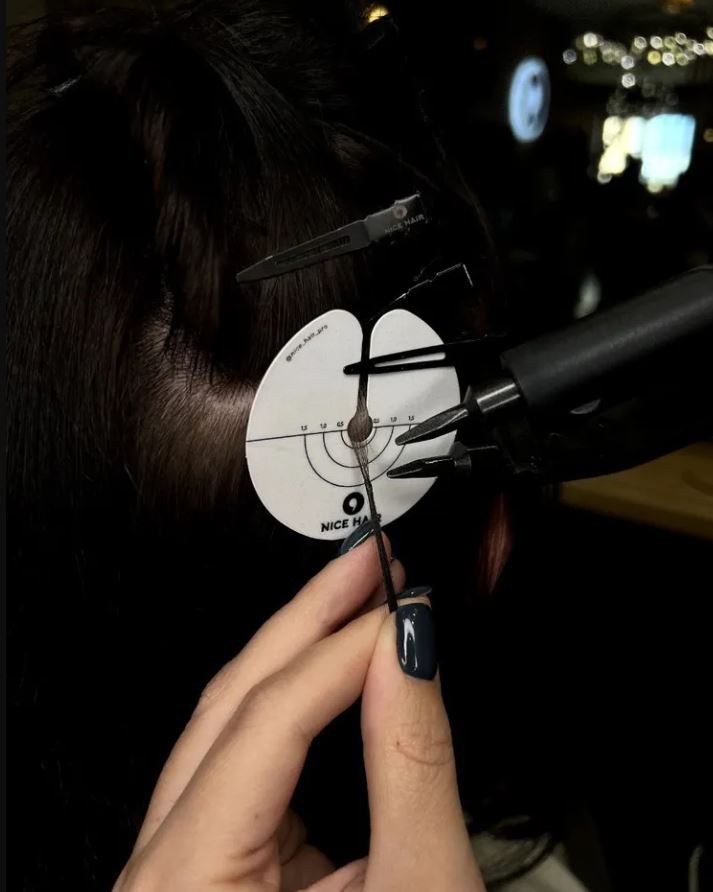
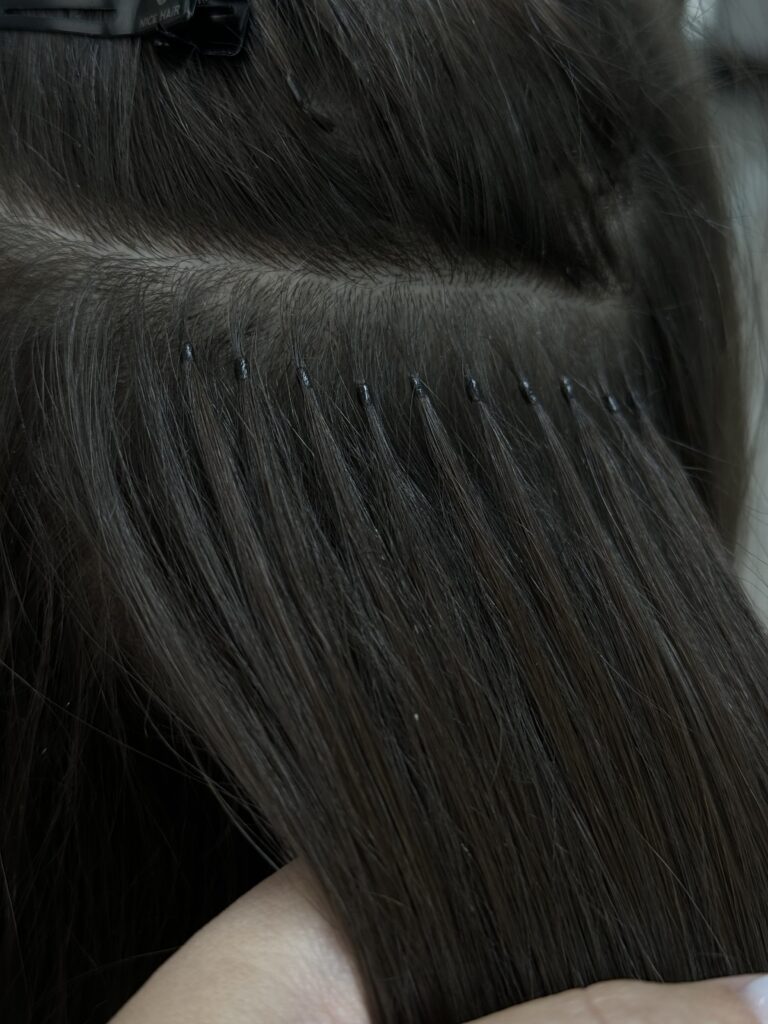
To protect your hair, it is essential to choose the right extension method (like tape-ins or nano bonds for fine hair) and trust a professional for installation and removal. With a trained stylist, extensions can actually be a protective style, reducing the daily wear and tear of heat styling on your natural locks.
Myth #3: Extensions Carry a «Foreign Energy» or Bad Luck
The Reality: This myth is rooted in spiritual and cultural beliefs rather than scientific fact. The idea that hair extensions can carry a «bad omen» or the «spirit» of the original donor is a superstition that has been circulating for years.
The Origin of the Myth:
This belief often stems from the practice of «tonsuring,» where women in some cultures shave their heads at temples as a spiritual offering. Some believe this hair is then sold and carries the «bad luck» the women were trying to get rid of. However, religious leaders and industry experts dismiss these claims as animistic beliefs or superstition.
The Ethical Solution:
To combat any fears related to sourcing, simply choose ethically sourced, 100% Remy human hair from reputable brands. Remy hair is collected from living donors (often through direct donations where the donor is paid fairly) and undergoes rigorous processing. Professional-grade hair is not «dead hair» but is treated just like your own natural locks to ensure a flawless blend.
How to Wear Extensions Safely
To enjoy your extensions while keeping your natural hair healthy:
- Invest in Professional Installation: Always book a consultation and let a stylist choose the right method for your hair type .
- Follow a Routine: Use sulfate-free products, brush gently with a loop brush, and never sleep with wet hair .
- Schedule Maintenance: Visit your salon every 6–8 weeks for adjustments to prevent tension on your roots .
Summary: Hair extensions are a safe and versatile tool for modern beauty when handled correctly. From swimming to ethical sourcing, the «scary» myths surrounding them are largely outdated and easily debunked by expert knowledge.