When selecting a hair extension method, the choice between cold fusion and hot fusion stands as one of the most consequential decisions for both hair health and long-term maintenance. While both techniques create durable, natural-looking results, they differ fundamentally in application mechanics, heat exposure, and suitability across hair types. This guide provides a comprehensive comparison to help you make an informed decision.
The Fundamental Distinction: Heat vs. No Heat
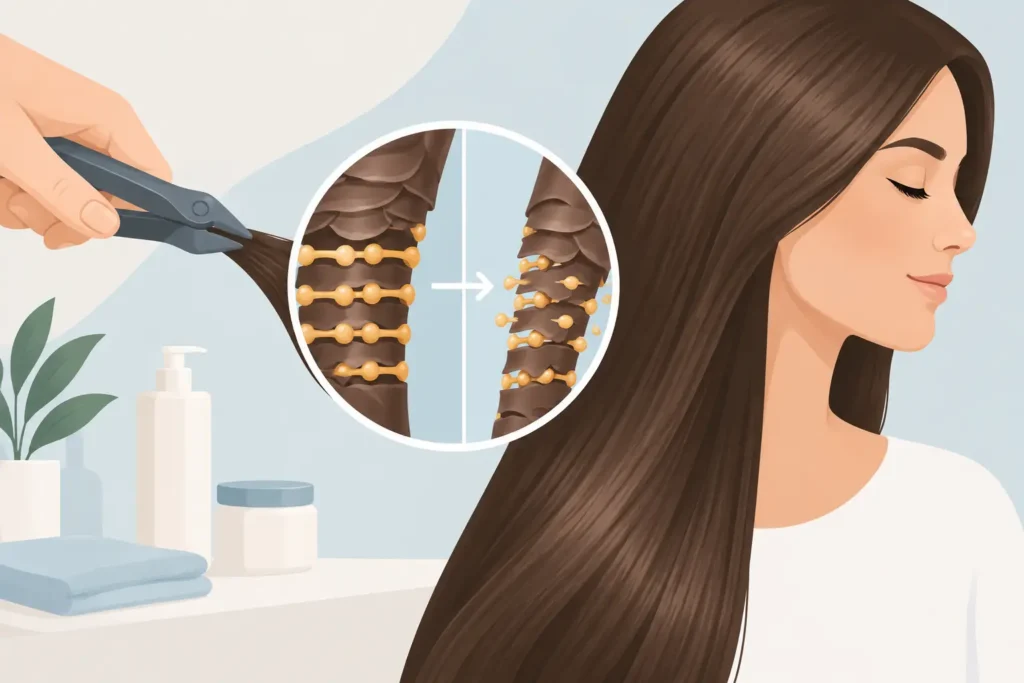
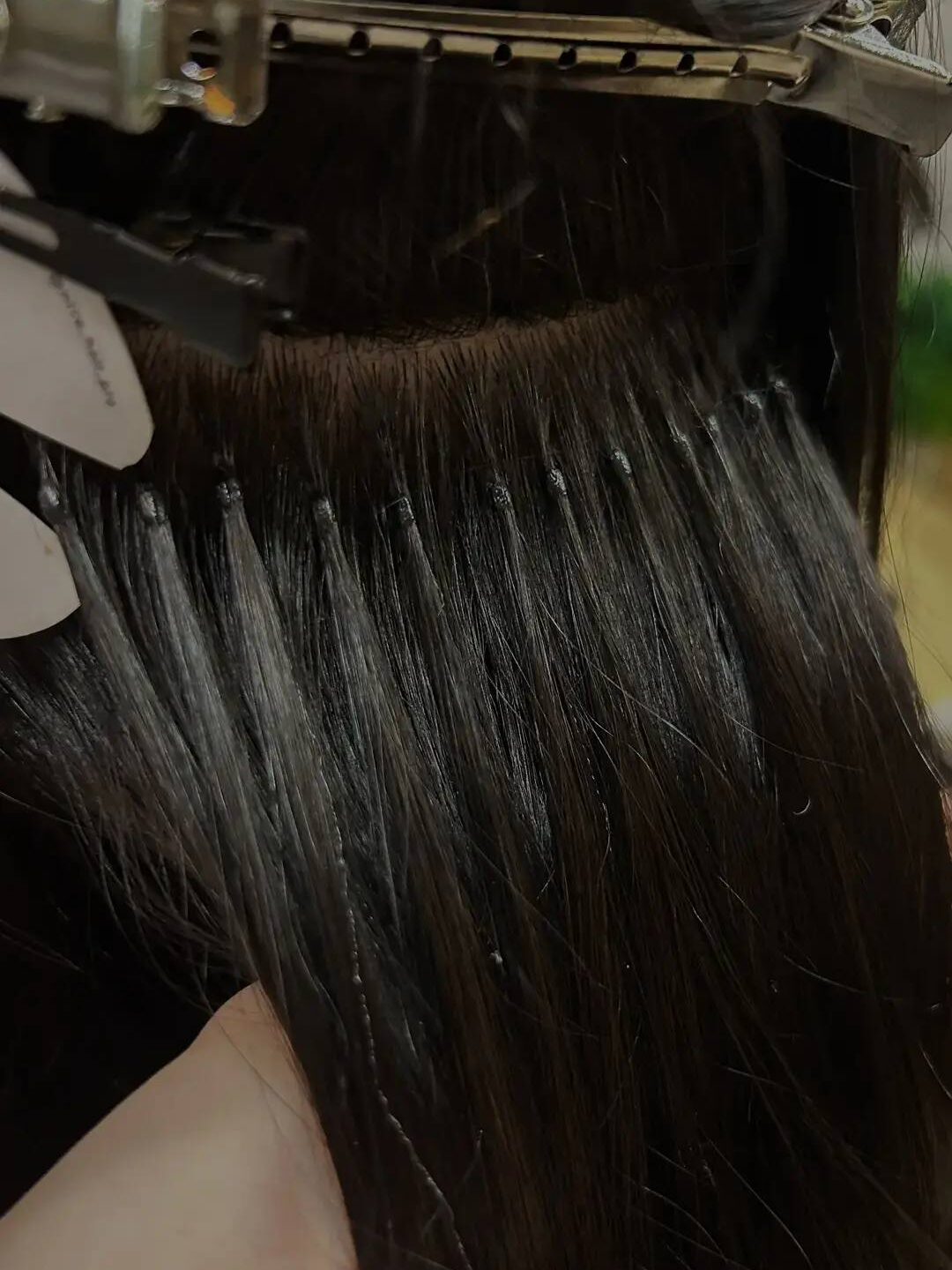
The core difference between these two methods lies in how the bond is formed. Hot fusion extensions utilize a heated tool to melt a keratin-based bond around your natural hair. As the keratin cools, it hardens into a solid, flexible bond that closely mimics the structure of natural hair.
Cold fusion extensions, including I-tip and micro-ring methods, employ mechanical compression instead. A silicone-lined bead or micro-ring is clamped around both the natural hair and extension strand, creating a secure hold through pressure and friction—no heat, glue, or chemical bonding agents involved.
Hot Fusion Extensions: Characteristics and Applications
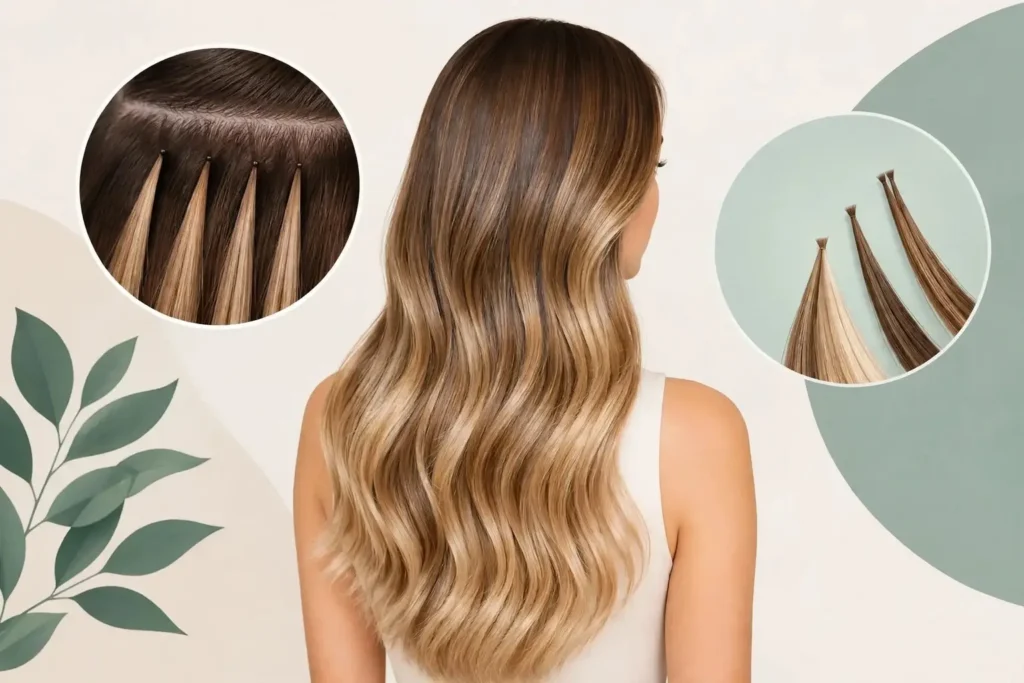
Hot fusion has earned its reputation as the gold standard for long-term wear. Each strand attaches approximately 5 millimeters from the scalp using a heated fusion tool that melts the pre-bonded keratin tip. The bond then hardens around a section of natural hair, creating a discreet attachment that lies flat against the head.
Ideal Candidates: This method performs best on thicker, more resilient hair types that can withstand repeated heat exposure at the root. Clients seeking maximum durability and those who frequently wear updos or ponytails will appreciate the flat, secure bonds that hot fusion provides.
Longevity: With proper care, hot fusion extensions typically last three to five months before requiring a move-up appointment. The bonds remain secure through styling, though professional removal using a special solvent is required when it is time to remove or reposition them.
Cold Fusion Extensions: Gentler Alternatives with Micro-Rings
Cold fusion, also widely known as micro-ring extensions, encompasses several techniques including I-tip (stick tip) and micro-ring methods. The installation process uses a looping tool to pull natural hair through a silicone-lined micro-ring, which is then clamped shut with pliers. This mechanical attachment avoids the heat exposure that can stress delicate strands.
Ideal Candidates: Cold fusion is particularly well-suited for clients with fine, thinning, or heat-sensitive hair. Those with color-treated or chemically processed hair benefit from eliminating an additional heat step that could contribute to dryness or damage. The gentler application also appeals to first-time extension wearers who want to minimize risks while learning to manage extensions.
Longevity and Reusability: Cold fusion extensions generally require move-up appointments every two to four months. A significant advantage is reusability — because the strands are not melted or reshaped during installation, I-tip extensions can often be reused for a second or even third install if the micro-rings and hair remain in good condition.
The Critical Role of Application Quality
The most important factor in extension longevity and hair health is not the method itself but the skill of the technician. Poor placement—whether bonds positioned too close to the scalp, excessive tension, or uneven distribution—can cause traction damage regardless of technique. A skilled stylist will match bond size to your natural hair density, distribute weight evenly across the crown and sides, and ensure each attachment feels comfortable without tugging.
Equally important is the removal process. Rushed removals where the technician pulls rather than properly opens beads or dissolves bonds can cause far more damage than the original installation. A reputable stylist should be able to clearly explain their removal method and timeline before you commit to the service.
Aftercare Essentials for Both Methods
Regardless of which fusion method you choose, proper maintenance significantly impacts how well extensions wear:
- Gentle washing: Avoid scrubbing the bond area aggressively; let water flow through without manipulating the attachments.
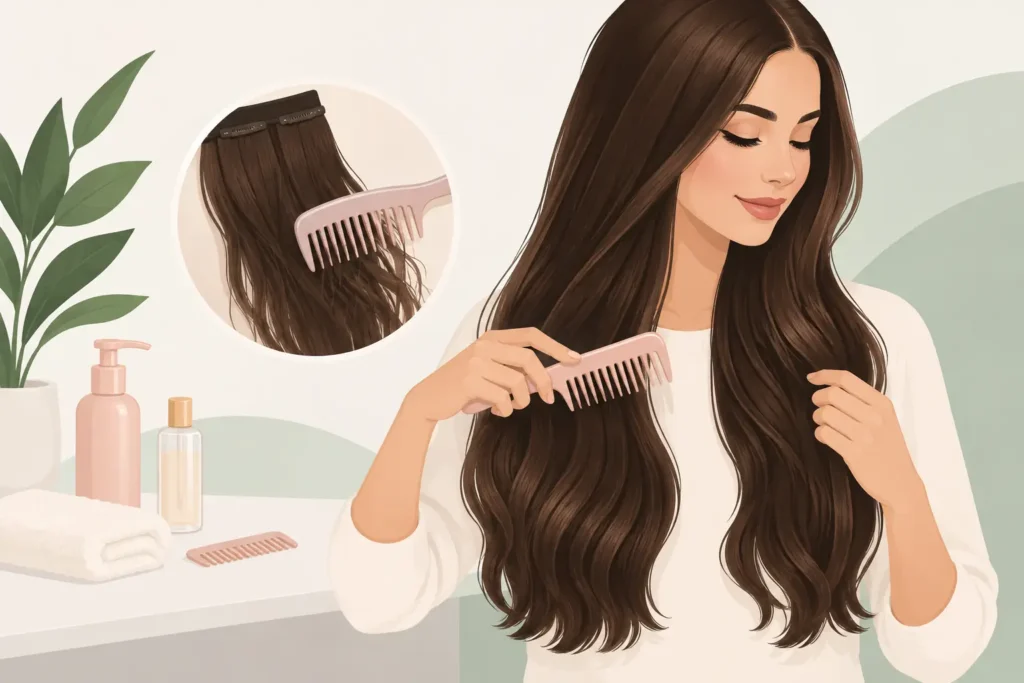
- Careful detangling: Start from the ends and work upward, using a soft-bristle brush or loop brush to avoid snagging on bonds.
- Heat protection: For hot fusion, minimize high-heat styling near the bonds. For cold fusion, while beads tolerate heat better, excessive heat can still weaken the attachment.
- Sleep protection: Allow hair to fully dry before sleeping, and consider a loose braid or silk pillowcase to reduce friction.
Making the Right Choice
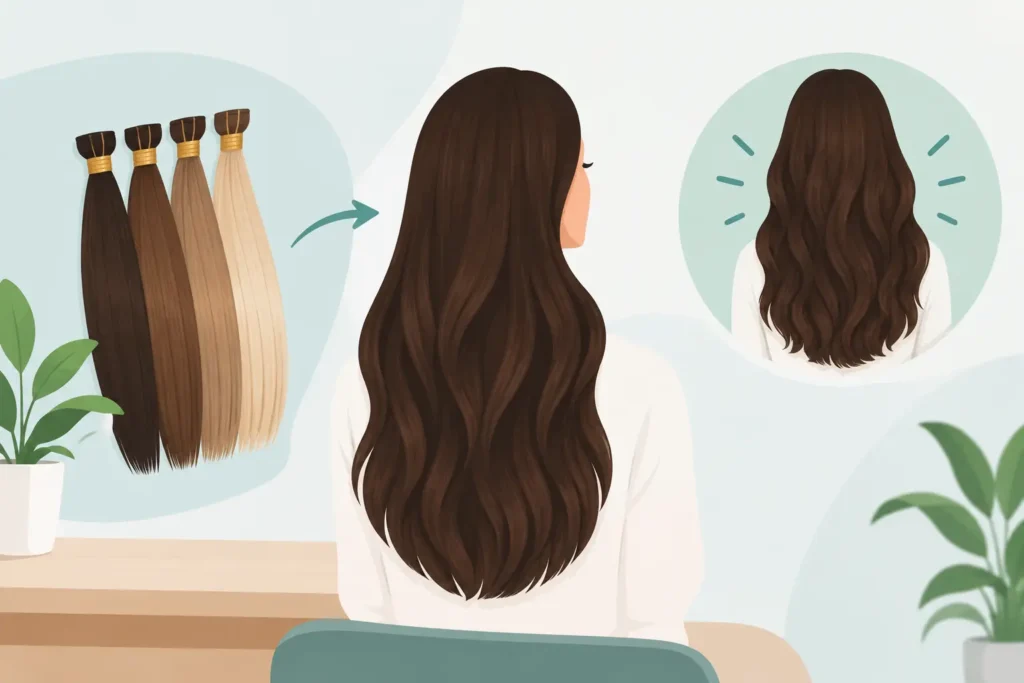
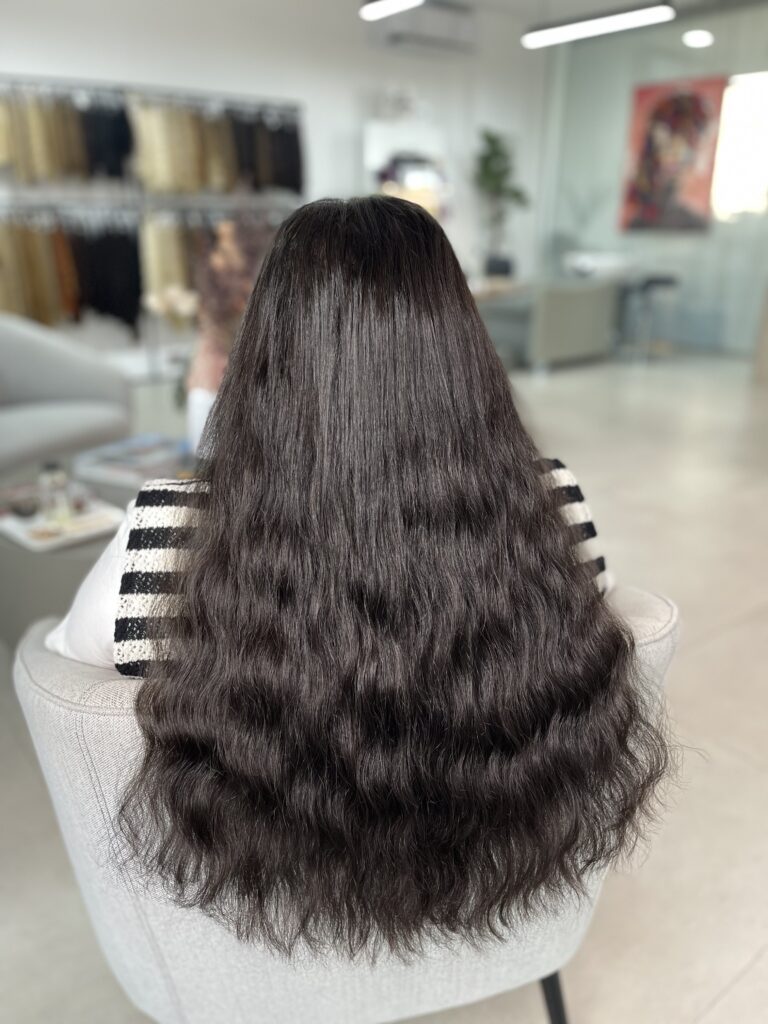
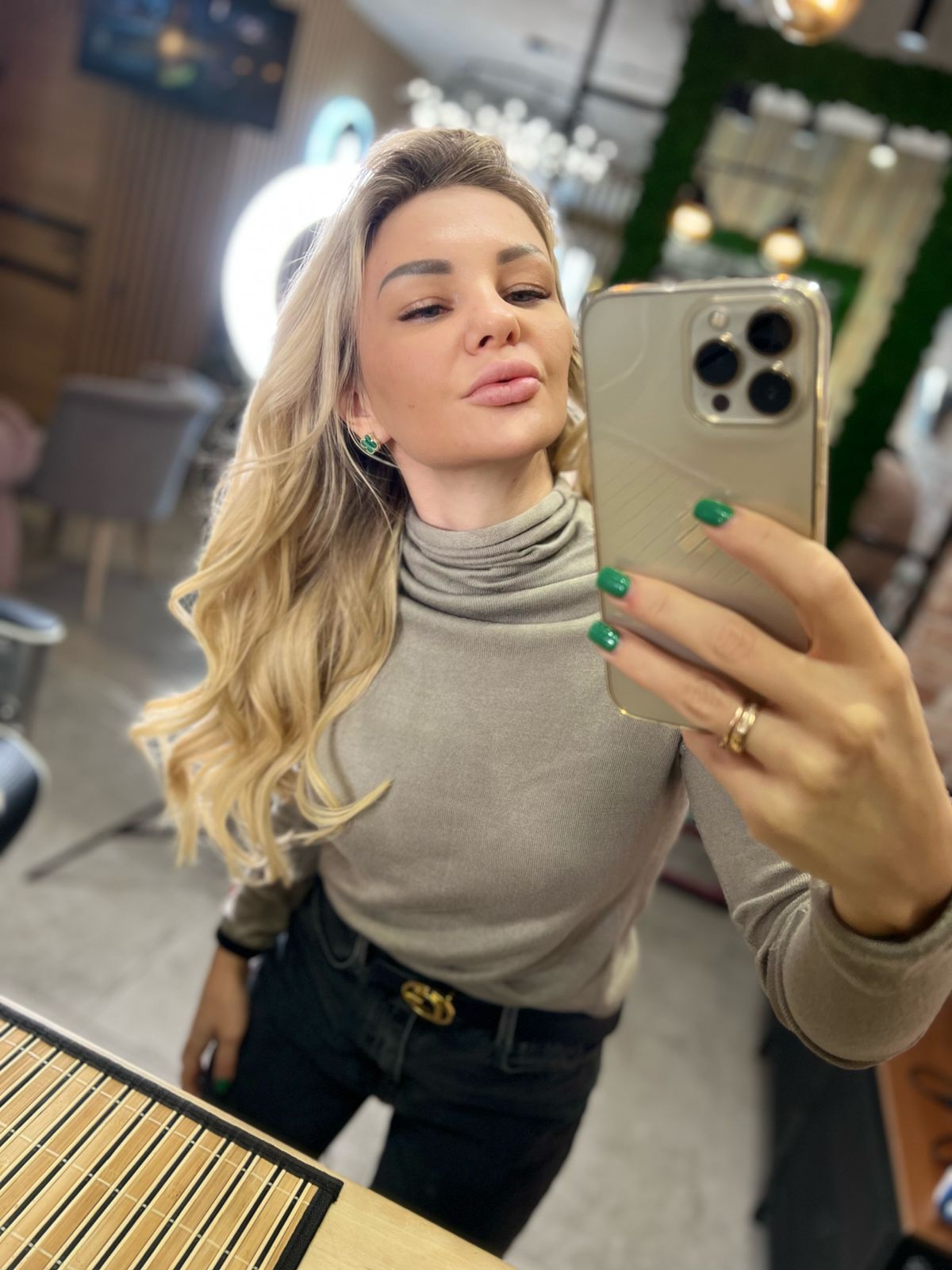
A thorough consultation with an experienced stylist — including honest discussion about your hair’s condition, styling habits, and maintenance commitment — remains the most reliable path to a successful outcome with either method. At our studio, we specialize in the hot fusion capsule method. Our capsules are absolutely undetectable, blending seamlessly with your natural hair, while the keratin we use is completely safe and gentle. And here is an interesting fact: our founder, Julia, has been wearing hot fusion extensions for over 10 years — and her hair is still in excellent condition.
Certified hair extension stylists with 14+ years of experience. Own production of virgin Slavic hair, 10,000+ bundles in stock, salon in Dubai. Specialization: keratin extensions, ethical sourcing Russia & CIS, cold color technology.