A fuller, longer hairstyle should never come at the cost of the hair underneath it. So, do hair extensions damage hair? They can, but damage is not an inevitable part of wearing extensions. When the method, weight, installation, and aftercare are right for your natural hair, professionally applied extensions can be worn comfortably while preserving the health and density of your own strands.
The concern is understandable. Most extension damage comes with a visible story: thinning around the hairline, broken lengths, soreness at the roots, or knots that become difficult to remove. These outcomes are real, but they are usually signs of poor technique, unsuitable hair, or missed maintenance rather than proof that all extensions are harmful.
Do Hair Extensions Damage Hair or Cause Breakage?
Extensions do not change the biology of your hair follicle. What they can change is the amount of tension and friction placed on each natural strand. If that load is too high, concentrated in the wrong area, or left in place after the hair has grown out, breakage and traction-related shedding can occur.
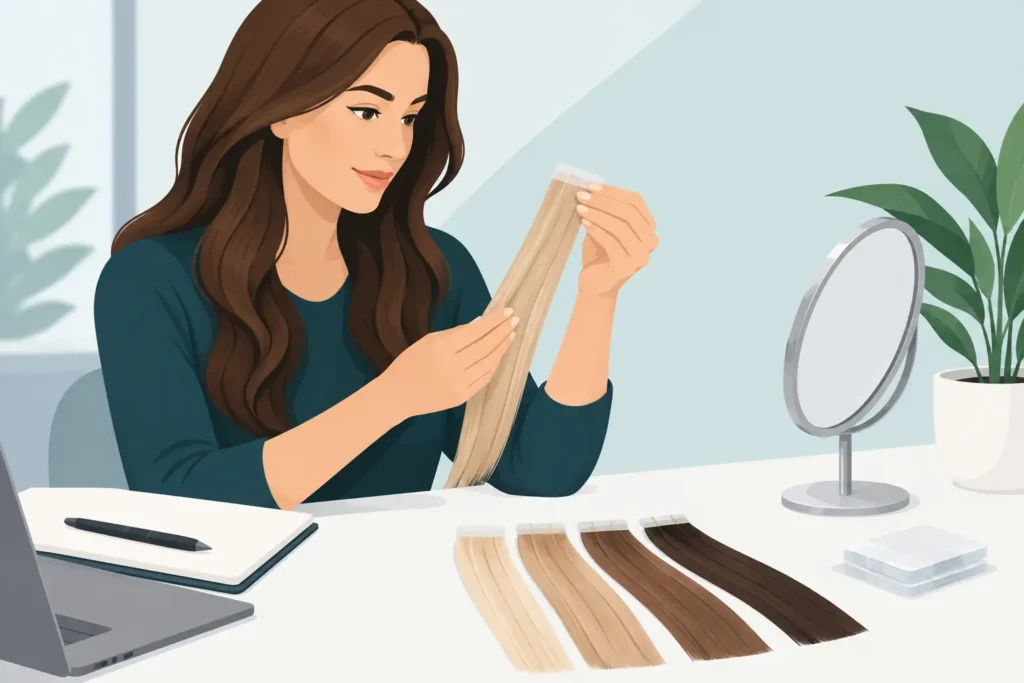
A safe application respects the condition of your hair before it considers the final visual effect. Fine hair needs lighter, smaller sections. Hair that has been lightened, is prone to dryness, or has breakage through the lengths may need a more conservative volume or a pause before installation. Thick, healthy hair may support more density, but it still requires balanced distribution.
The greatest risk is not usually one dramatic mistake. It is a series of small compromises: using overly heavy bundles, placing bonds too close to the scalp, skipping detangling, wearing the extensions beyond their maintenance window, or choosing an inexperienced installer because the initial price seems attractive.
What Actually Causes Extension Damage?
Too Much Weight on Too Little Hair
Every extension strand needs a natural-hair section strong enough to support it. When a large, heavy strand is attached to a tiny section, the natural hair bears constant strain. This may lead to snapping at the attachment point or gradual weakening at the root.
The right amount of hair is personal. It depends on your density, strand thickness, haircut, lifestyle, and goal. A good stylist does not apply a standard number of strands to every client. They assess where your hair is strongest, where it is finer, and how much volume will look natural without overloading it.
Tension and Poor Placement
Pain is not a normal adjustment period. A secure attachment should not feel tight, pull when you move your head, or cause headaches. Persistent discomfort can indicate excessive tension or bonds placed in areas where the scalp and hairline are more vulnerable.
Placement matters just as much as weight. Extensions should sit at a comfortable distance from the scalp, move naturally with your hair, and be distributed so that no single area carries all the weight. The delicate temple and nape areas often need particular restraint.
Low-Quality Hair and Attachments
Hair quality influences more than appearance. Coated or heavily processed hair may tangle quickly, feel dry after washing, and create friction against your natural strands. When extensions become matted, clients may pull at them while brushing or try to force out knots, creating avoidable breakage.
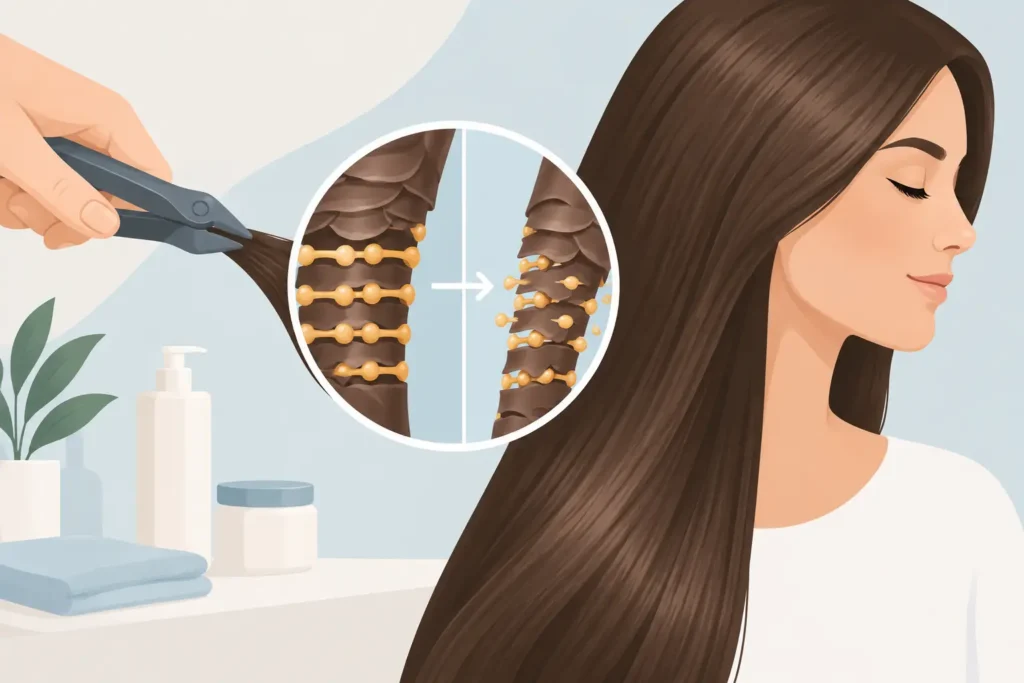
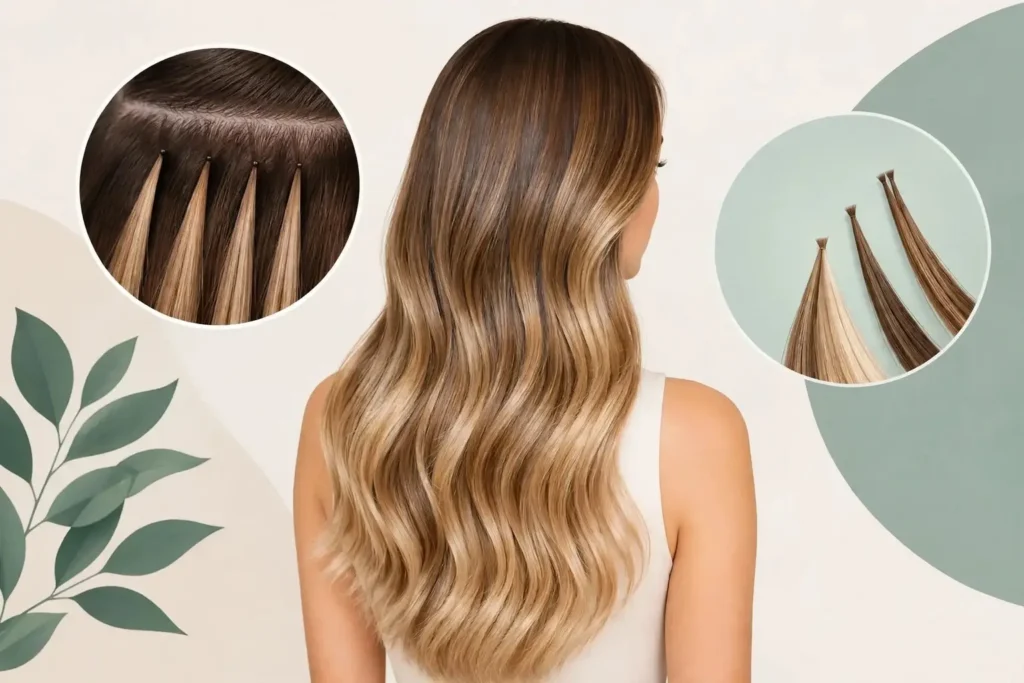
The attachment itself must also be made and applied with precision. With hot keratin extensions, a clean, properly sized keratin bond should be smooth, secure, and easy for a trained professional to remove. Oversized, irregular, or poorly melted bonds can be uncomfortable and difficult to maintain.
Waiting Too Long for Removal or Maintenance
Your hair continues to grow while extensions are in place. As the attachment moves farther from the scalp, it has more leverage and can begin to twist, tangle, or place stress on the section beneath it. Shed hairs that would normally fall out each day also remain held within the bond until removal.
That is why extensions need a planned wear period, not an open-ended one. The exact timing varies by method, growth rate, and home care, but the appointment for maintenance or removal should be part of the original plan.
How Professional Keratin Extensions Protect Natural Hair
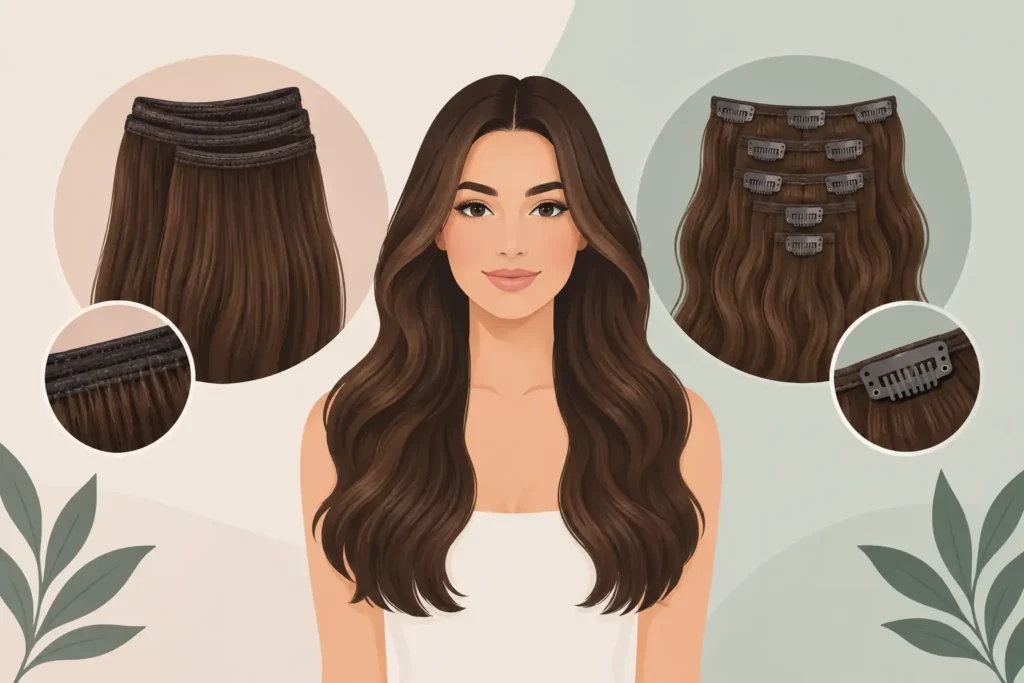
Hot keratin extensions are often chosen for their discreet, flexible finish. They can be a gentle option when the stylist works with appropriate strand weight, accurate sectioning, and high-quality hair. They are not automatically safe simply because they use keratin, however. The method is only as safe as the diagnosis and application behind it.
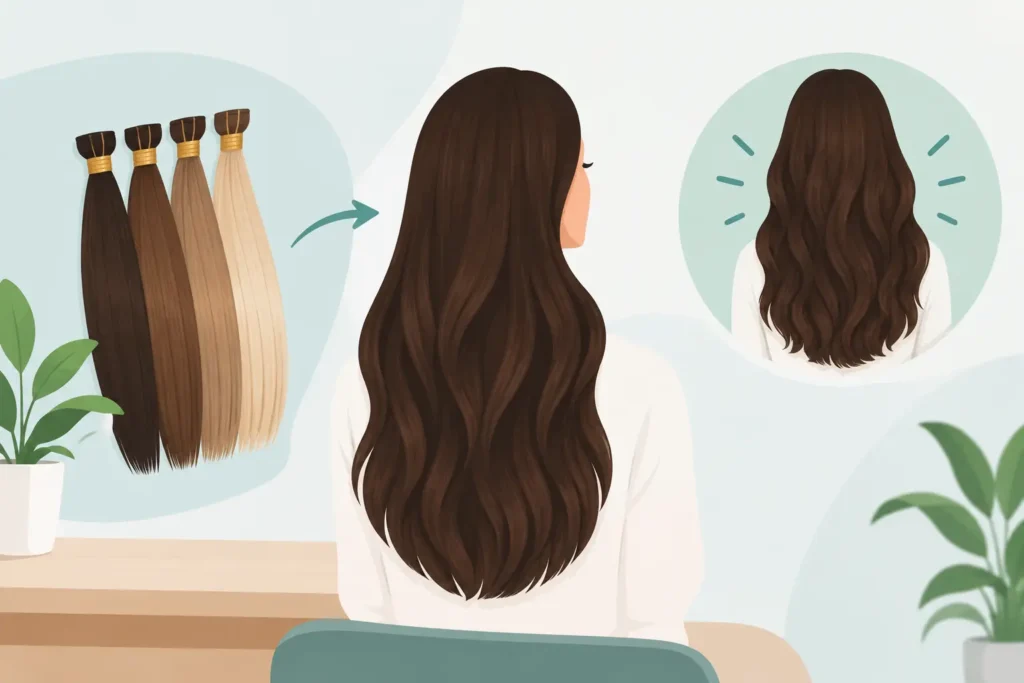
At NICEHAIR, the consultation is where protection begins. The stylist evaluates hair density, scalp comfort, previous color services, and the client’s desired result before selecting length, volume, shade, and placement. A natural-looking result is not created by adding the maximum possible amount of hair. It is created by matching the extension plan to what your own hair can support.
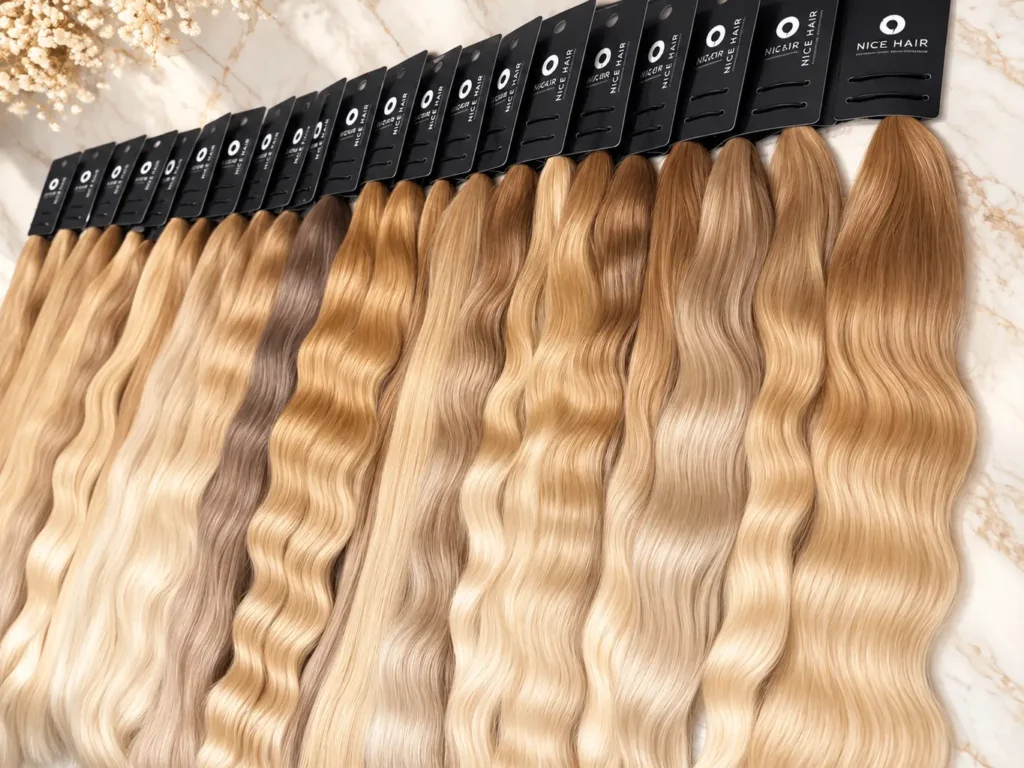
Premium virgin hair also makes daily care easier. Hair with aligned cuticles, selected for a consistent texture, is less likely to create unnecessary tangling when treated correctly. That does not remove the need for care, but it gives both the stylist and client a better foundation for a polished, wearable result.
The Habits That Keep Extensions and Natural Hair Healthy
The salon appointment is only half of the equation. How you sleep, wash, brush, and style your hair determines how well the installation wears between visits.
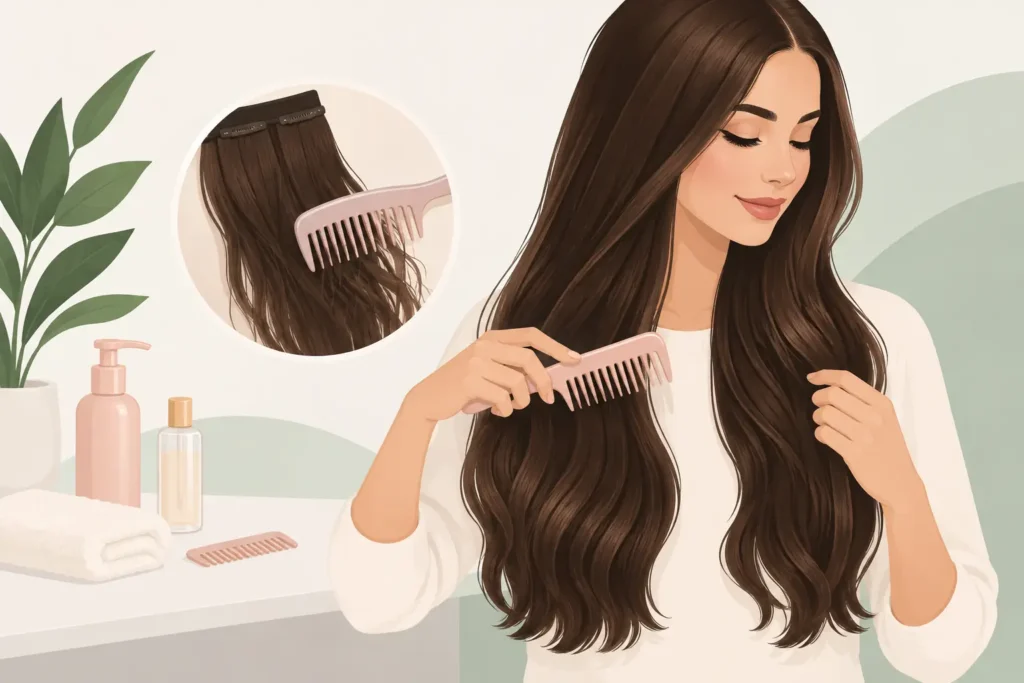
Brush gently at least twice a day using an extension-safe brush. Support the roots with one hand and start at the ends, then work upward. This prevents pulling at the attachments while removing tangles before they become knots.
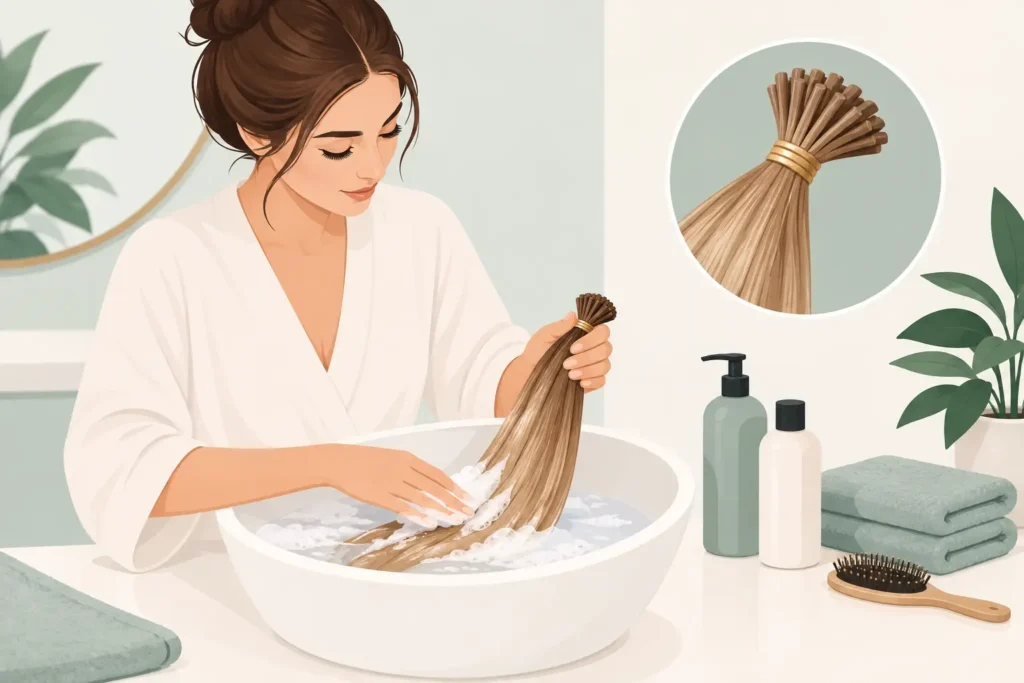
Wash your scalp thoroughly without aggressively scrubbing the bonds. Apply conditioner and masks through the mid-lengths and ends rather than directly onto keratin attachments. After washing, dry the roots and bonds completely. Going to bed with damp attachments can encourage tangling and make the hair harder to separate.
Before sleep, tie long hair into a loose braid or low ponytail. Avoid sleeping with wet hair, and never leave it loose after a day of wind, swimming, or exercise if it has become tangled. Chlorine, saltwater, intense sun, and frequent heat styling do not make extensions impossible to wear, but they call for more attentive cleansing, hydration, and protection.
It also helps to be honest about your routine. If you train every day, spend weekends at the beach, wear your hair in tight ponytails, or prefer very low-maintenance styling, tell your stylist. The safest method and volume are the ones that suit your real life, not only the inspiration photo.
When It Is Better to Wait
Extensions are not the right immediate choice for every hair situation. If you have active scalp irritation, sudden or unexplained hair loss, significant breakage, or very fragile hair after intensive bleaching, it is wiser to address the underlying issue first. A qualified stylist can identify visible concerns, but medical causes of hair loss should be discussed with a dermatologist or healthcare professional.
Waiting can feel disappointing when you want an instant transformation, yet it is often the most luxurious decision you can make for your hair. A few weeks or months of focused recovery may create a much stronger foundation for the result you want later.
A Better Question Than “Are Extensions Safe?”
Instead of asking whether all extensions are safe or damaging, ask whether this specific installation is safe for your hair, right now. The answer should account for your hair history, the quality of the extension hair, the installer’s training, attachment size, total weight, and your ability to follow aftercare.
Beautiful extensions should feel like an enhancement, not a burden. If your scalp hurts, your hairline feels tight, or your extensions are tangling beyond what gentle brushing can manage, do not wait for the next scheduled appointment. Ask for professional assessment early. Thoughtful choices and timely care protect the part of the result that matters most: the healthy hair that remains yours when the extensions come out.
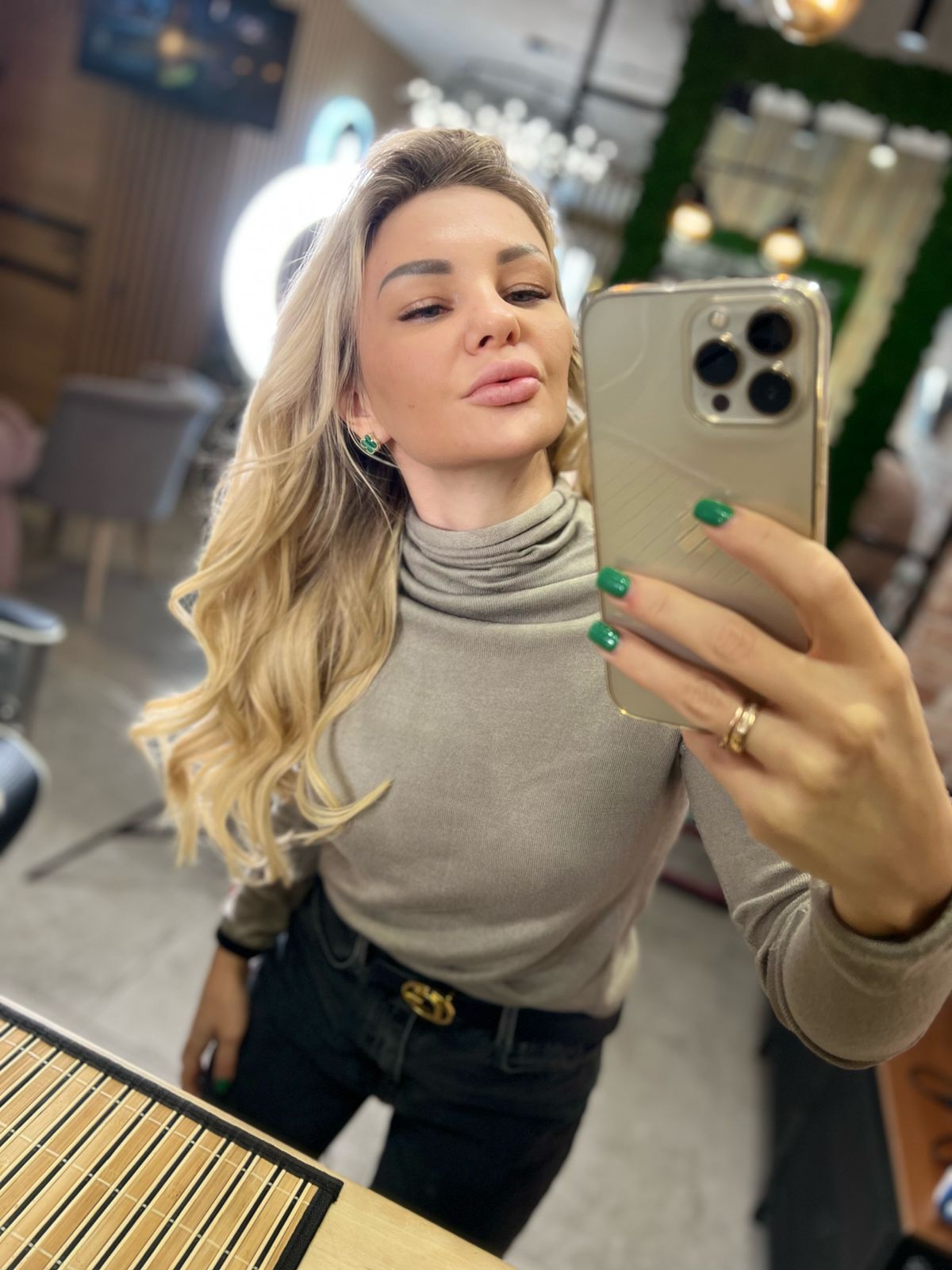
Certified hair extension stylists with 14+ years of experience. Own production of virgin Slavic hair, 10,000+ bundles in stock, salon in Dubai. Specialization: keratin extensions, ethical sourcing Russia & CIS, cold color technology.