Tape-In vs Keratin Hair Extensions: Comfort, Care & Differences
A fuller ponytail, soft length around the face, and hair that still feels like your own are not created by one universal extension method. The real choice in tape versus keratin comes down to how you wear your hair, the density of your natural strands, and how invisible you need the attachment points to be. Both methods can look refined and natural when the hair quality, placement, and application are right. They simply create that result in different ways.
For many clients, the question is not “Which method is better?” It is “Which method will feel most comfortable and look most believable on me?” That distinction matters, especially if you have fine hair, wear sleek updos, train regularly, or want a major transformation without compromising a polished finish.
Tape Versus Keratin: The Core Difference
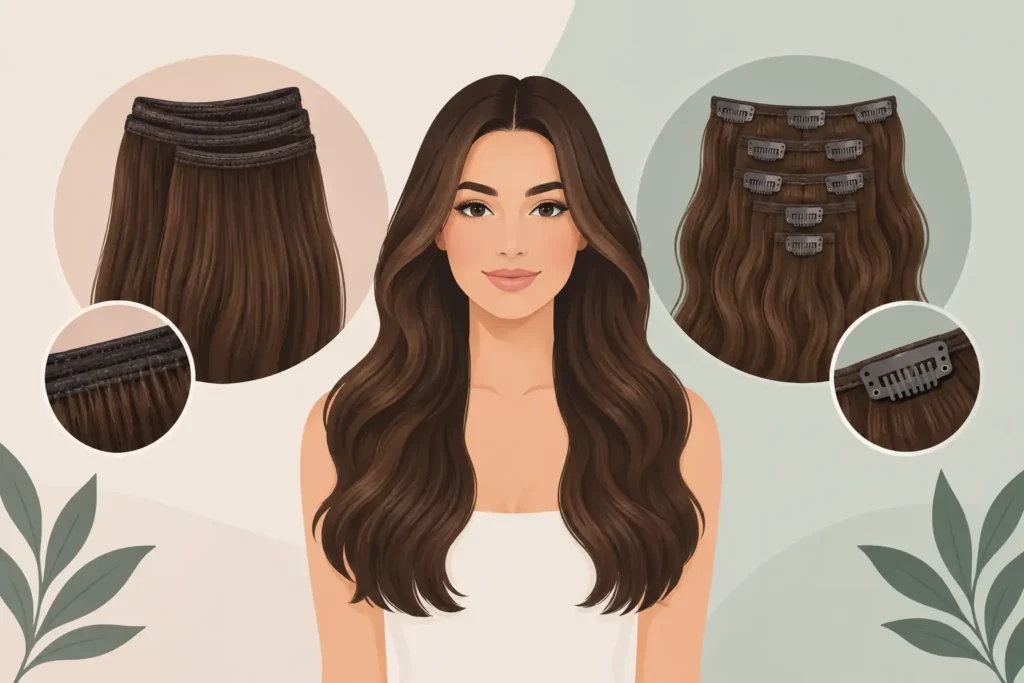
Tape-in extensions are typically applied using thin, flat adhesive panels. In a common sandwich application, a small section of natural hair is placed between two tape-in wefts. Other tape-in application variations are also available, depending on the client’s hair density and the extension system used. Because each attachment is broad and flat, tape-ins distribute weight across a larger area of hair. They can add density efficiently and tend to lie smoothly against the head.
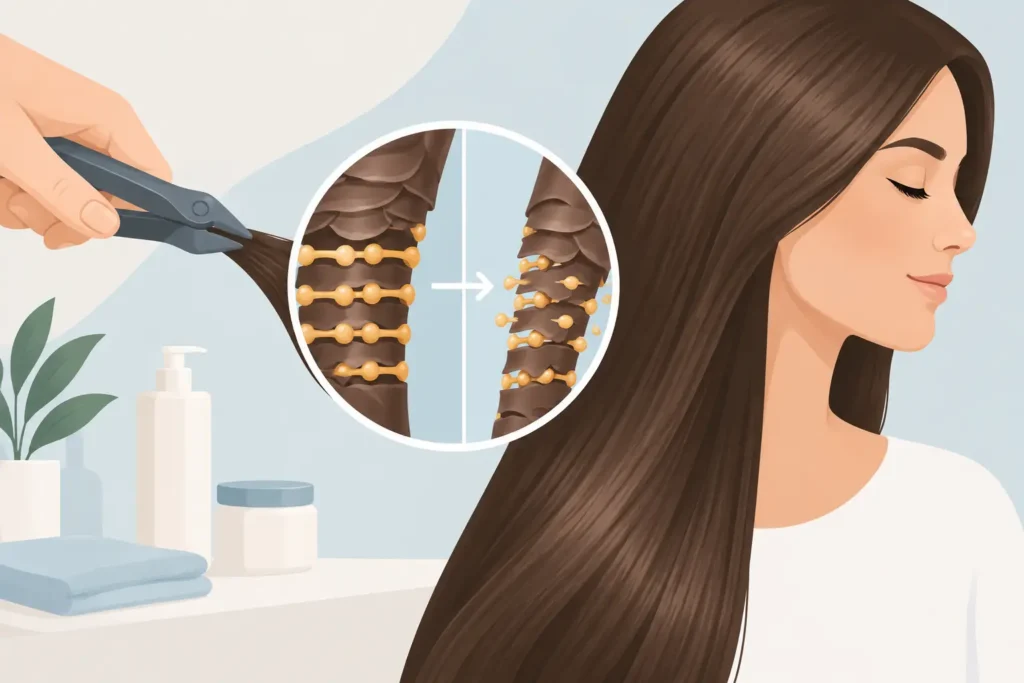
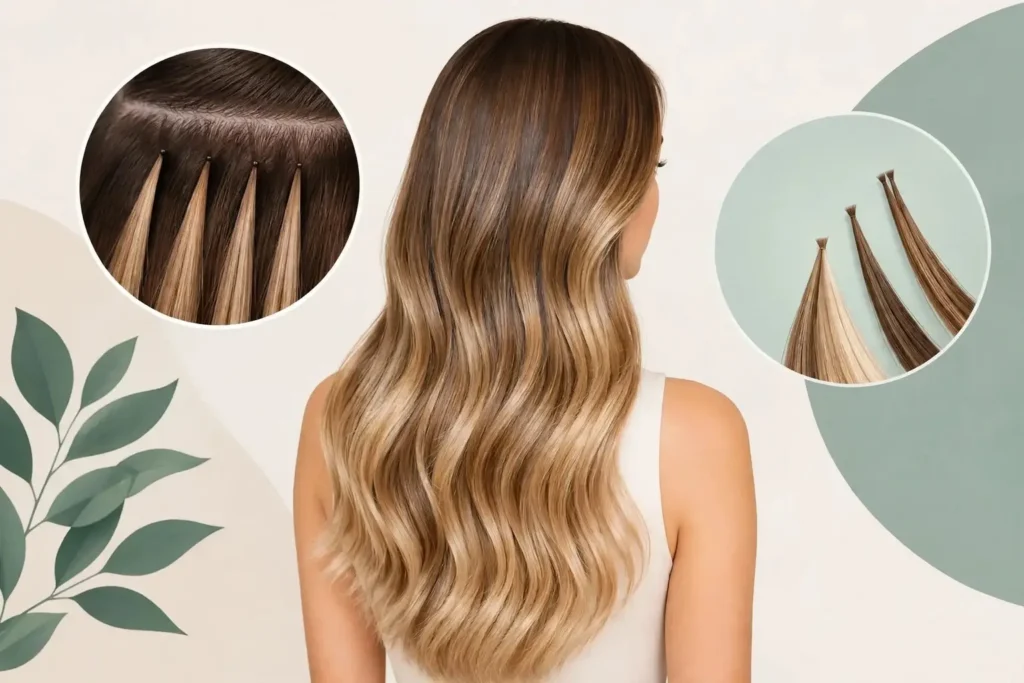
Keratin extensions are individual strands attached with small keratin bonds. A stylist works strand by strand, shaping each bond to suit the client’s natural hair pattern, density, and desired movement. This is often called hot keratin extension work because controlled heat is used to soften and form the bond during application.
The difference is visible in how the hair moves. Tape-ins sit in rows, while keratin extensions are placed as individual points. Neither is inherently more luxurious. The best choice depends on the level of customization your hair requires.
Tape-In vs Keratin Hair Extensions: Quick Comparison
| Feature | Tape-In Extensions | Keratin Bond Extensions | |—|—|—| | Attachment | Flat adhesive panels | Individual keratin bonds | | Application | Usually faster | More time-intensive | | Placement | Panels arranged in rows | Individual strands | | Natural movement | Smooth, even fullness | Flexible strand movement | | Fine hair | Suitable for some clients | Suitable for some clients | | Updos | Placement may limit styles | More individual flexibility | | Maintenance | Periodic removal and reapplication | Professional removal or renewal | | Best for | Flat, even volume | Customized length and density |
When Tape-Ins Make Sense
Tape-ins are a strong option for someone who wants noticeable fullness with a flat, lightweight feel. They are especially effective when the goal is to make medium-density hair look richer through the lengths, rather than to create highly detailed placement around every section of the head.
Their flat shape can be appealing for clients who mostly wear their hair down, in a low ponytail, or in loose waves. Tape-ins may also suit someone who prefers a more streamlined application appointment. The panels cover more area than individual strands, so a skilled stylist can build volume efficiently.
That said, the row-based structure requires thoughtful placement. If your hair is very fine around the hairline, temples, or nape, there may be fewer areas where tape panels can be concealed comfortably. A precise stylist will leave enough natural hair around the perimeter so the attachments remain hidden when you move, part your hair, or tuck it behind your ears.
Tape-ins also need a maintenance plan. As natural hair grows, the panels move farther from the scalp and must be removed, cleaned, and reapplied. The timing varies with hair growth, home care, and the original placement, but regular salon maintenance is part of the method. Adhesive residue should always be removed carefully rather than pulled or rushed.
Why Clients Choose Keratin Extensions
Keratin extensions offer a different kind of precision. Since every strand is placed individually, a stylist can vary the bond size, amount of added hair, and position from one area to the next. This makes keratin particularly valuable for clients who need softness around the face, natural movement through the crown, or an invisible result in varied hairstyles.
A well-executed keratin application is not about attaching the largest possible number of strands. It is about matching the weight of each extension strand to the natural hair supporting it. The bonds should be small, smooth, and placed with enough distance from the scalp to allow comfortable movement.
This individual placement is why keratin extensions are often preferred for intricate color work, layered cuts, and clients who wear their hair up regularly. A ponytail, half-up style, or loose bun can look more natural when the attachment pattern follows the head rather than sitting in defined rows.
Keratin is also a good choice when the desired result is highly personalized. One client may need extra fullness only through the lower lengths. Another may want length, density, and subtle face-framing brightness. Individual strands allow the stylist to build those details with more control.
The trade-off is time and technique. Keratin installation is a meticulous service, and removal must be performed professionally with the correct solution and tools. It should never be treated as a quick at-home process.
Hair Type, Lifestyle, and Styling Habits Matter More Than Trends
The method that looks best on a friend may not be the method that serves your hair. Fine hair often needs smaller, lighter attachment points and careful distribution. In that case, keratin can offer flexibility, but tape-ins may also work beautifully if there is enough density in the placement area. A consultation should assess more than hair length. Density, strand strength, scalp sensitivity, existing color services, and daily styling habits all affect the recommendation.
If your natural hair is actively shedding, severely weakened, or breaking near the roots, neither tape-in nor keratin extensions should be considered automatically suitable. A professional assessment may indicate that postponing installation is the better option until the condition of your hair has improved.
Your routine matters just as much. If you frequently wear a high ponytail, attend events, or want freedom to change your part, keratin’s individual placement may be worth the longer appointment. If your priority is polished fullness with minimal bulk and you tend to wear your hair down, tape-ins may feel like the more natural fit.
Active lifestyles require practical care with either method. Hair should be tied back before intense exercise, washed consistently but gently, and dried thoroughly at the roots and attachment areas. Leaving moisture near any attachment point can affect comfort and longevity. A loose braid before sleep also helps reduce tangling through the lengths.
The Quality of the Hair Changes the Entire Result
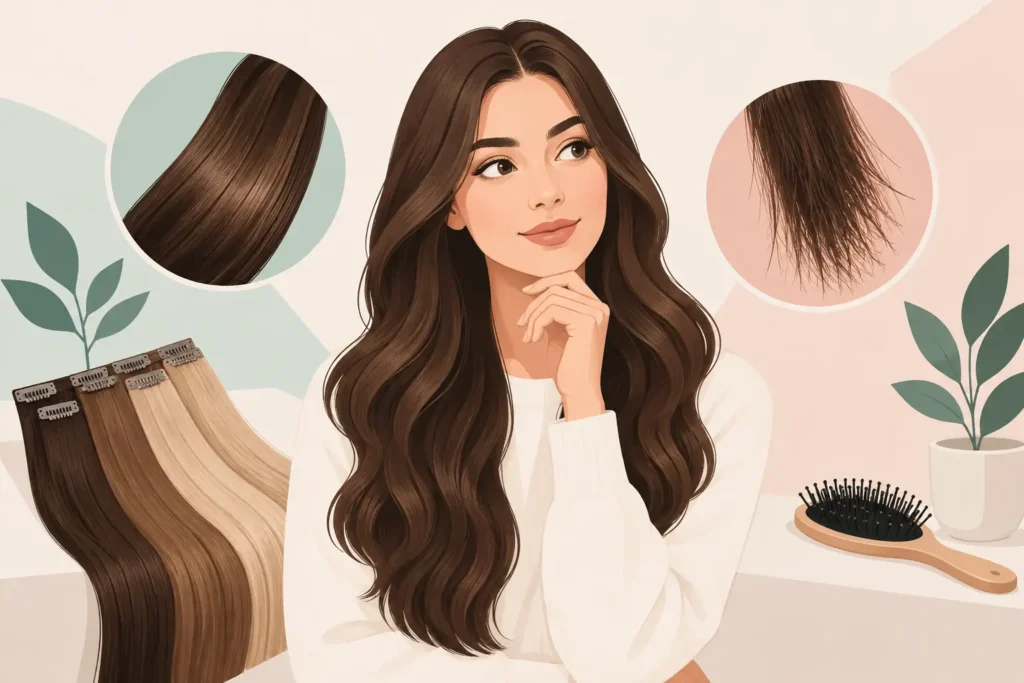
Attachment method is only one part of the decision. Even impeccable tape placement or beautifully formed keratin bonds cannot compensate for poorly prepared hair. Extension hair should have aligned cuticles, balanced ends, consistent density, and a color process that preserves softness rather than masking dryness.
This is why transparent sourcing and production standards matter. Premium Slavic hair can be carefully selected and sorted to achieve a natural blend. Untreated virgin hair and professionally colored human hair are different categories, but both can offer excellent results when processing is transparent and quality is carefully controlled. The aim is not just an impressive result on installation day. It is hair that continues to blend naturally through washing, styling, and daily wear.
At NICE HAIR, experience in natural hair selection and professional extensions helps connect hair quality with practical styling needs. Choosing the right length, shade, texture, and attachment method requires an individual assessment rather than a standard approach for every client.
The quality of natural human hair matters just as much as the installation method. Whether you’re a salon professional sourcing hair for tape-in or keratin extensions, or a client looking for premium extension hair, NICE HAIR offers natural hair from its production in Russia for international customers. Contact our international sales team on WhatsApp.
What a Proper Consultation Should Cover
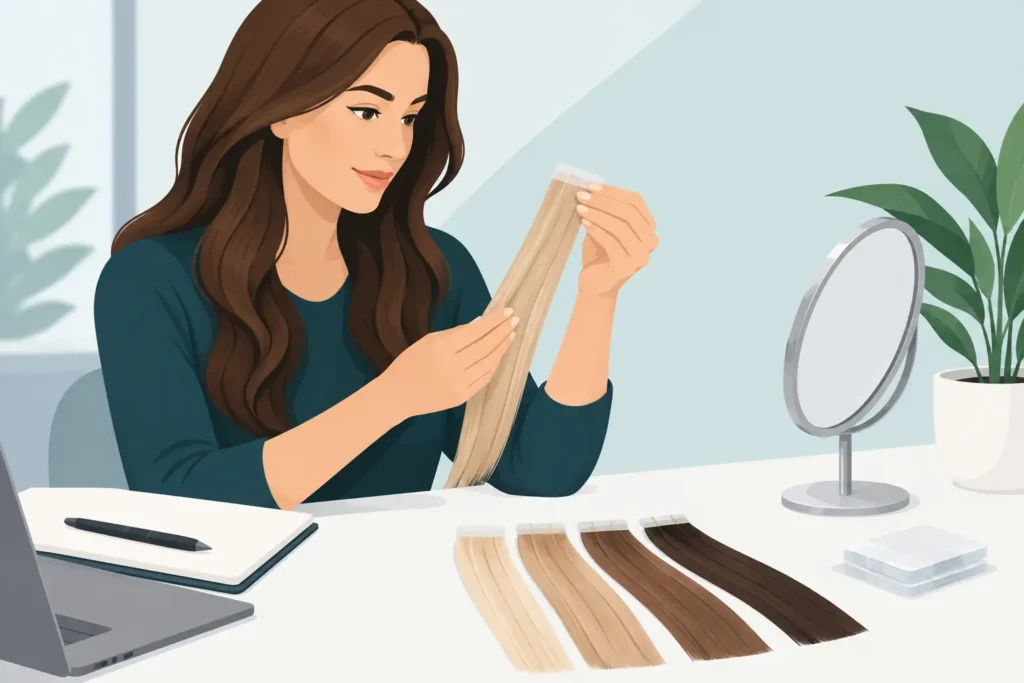
A useful consultation should feel specific, not rushed. Your stylist should look at your natural hair in daylight or accurate salon lighting, discuss the styles you wear most, and ask about coloring history and your maintenance expectations. Bring reference photos if you have them, but be open to an adjustment if the photo requires more density or a different placement strategy than your hair can comfortably support.
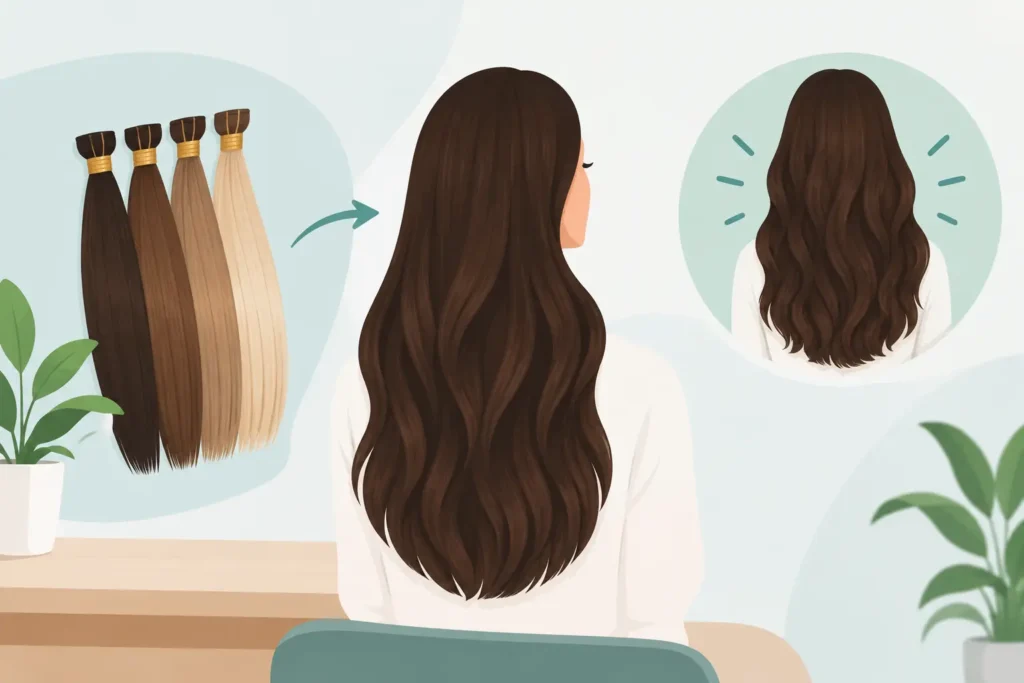
The conversation should also include color. A natural extension result rarely depends on matching one flat shade. Most hair has dimension at the root, mids, and ends. Blending two or more close tones, or adding subtle lighter pieces around the face, can make extensions disappear into your own hair more convincingly than one solid color.
Ask how many grams or strands are being recommended and why. More hair is not always better. The right volume is the amount your natural hair can support while still moving easily and looking balanced from every angle.
Care That Protects Your Investment
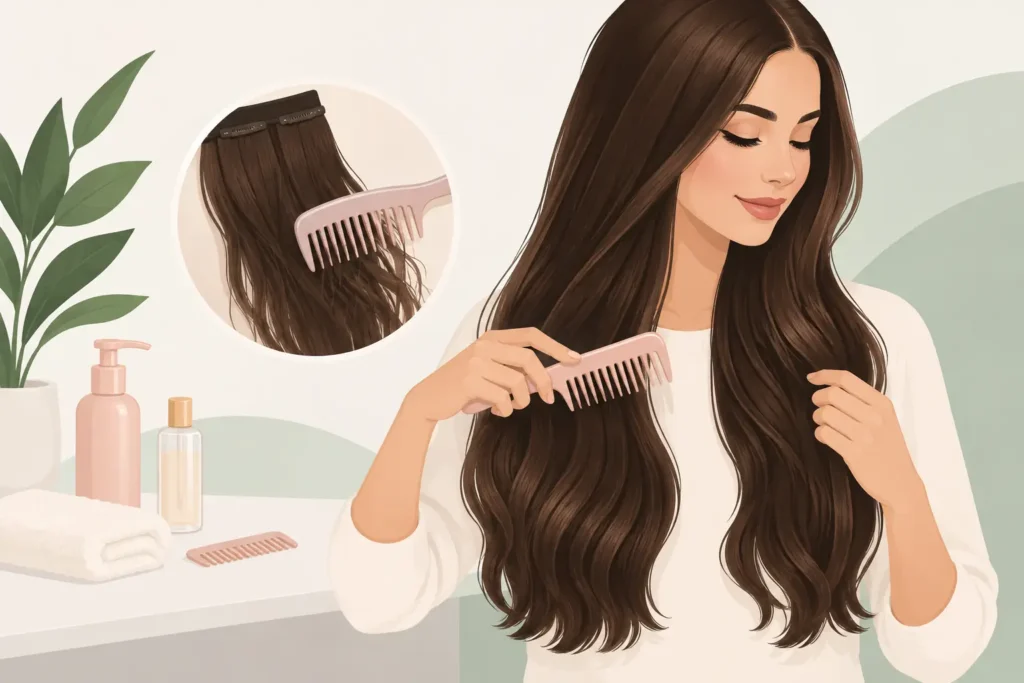
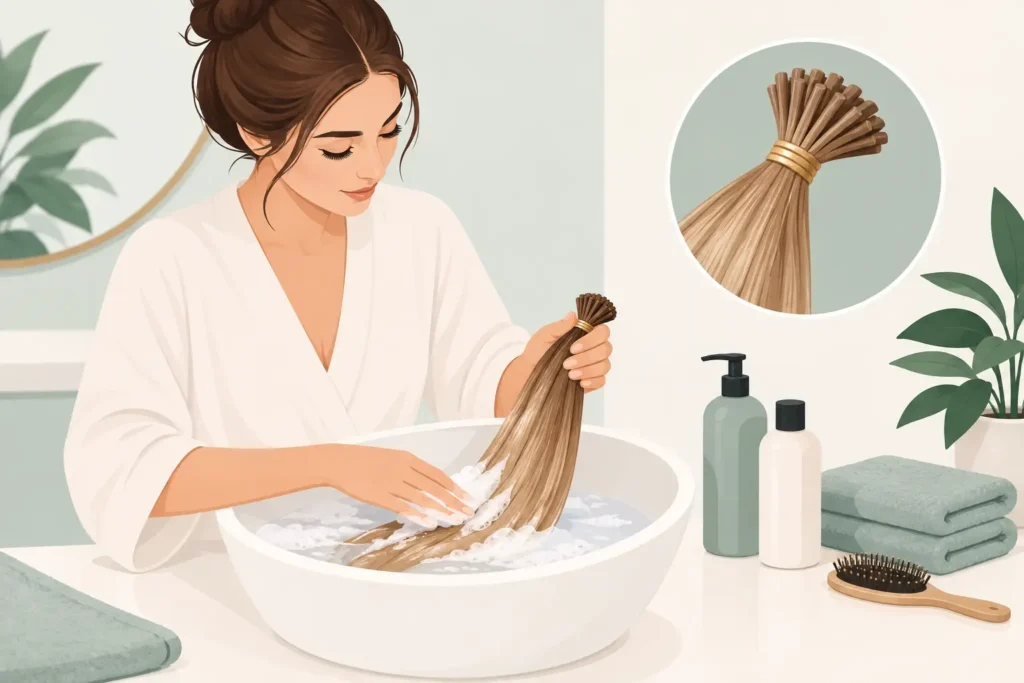
Both tape and keratin extensions benefit from a calm, consistent routine. Brush from the ends upward while supporting the hair near the roots. Use a soft extension brush or a loop brush, and separate the attachment areas gently each day. Avoid applying oils, masks, or heavy conditioners directly onto tape panels or keratin bonds.
When washing, focus shampoo on the scalp and rinse thoroughly. Apply conditioner and masks through the mid-lengths and ends, where added hair benefits most from moisture. Always dry the roots and attachments after washing. Before using hot tools, apply heat protection to the lengths and keep direct heat away from the bonds or adhesive.
The right extension method should complement your natural hair, preferred hairstyles, and everyday routine. Tape-ins may be ideal for flat, even fullness, while keratin bonds offer more flexibility for customized placement. If you’re considering tape-in or keratin hair extensions in Dubai, NICE HAIR specialists can assess your hair and help you choose a suitable method, length, and color blend. Get a personalized consultation on WhatsApp.
Frequently Asked Questions About Tape-In vs Keratin Hair Extensions
Are tape-in or keratin extensions better for fine hair?
Both tape-in and keratin bond extensions can be suitable for fine hair when professionally selected and installed. Tape-ins have flat attachments that may distribute weight across a wider section, while keratin bonds allow individualized placement with smaller strands. The safest choice depends on natural hair density, strength, and the areas where attachments can be concealed. Fragile or actively shedding hair may require postponing extensions.
Which lasts longer: tape-in or keratin hair extensions?
Keratin bond extensions often have a longer period between full removal appointments, while tape-in extensions typically need more frequent repositioning as natural hair grows. However, the exact maintenance schedule depends on the application method, hair growth, and aftercare. The lifespan of the extension hair itself is different from the length of time an attachment can safely remain in place.
Are keratin bond extensions more damaging than tape-ins?
Neither method is inherently more damaging when properly selected, installed, maintained, and removed. Tape-ins may place tension across a wider section of hair, while keratin bonds concentrate the attachment into smaller individual sections. Excessive weight, poor placement, delayed maintenance, or improper removal can cause breakage with either method. A professional should evaluate your hair before recommending an installation.
Can you wear high ponytails with tape-in and keratin extensions?
Both methods can accommodate ponytails, but attachment placement makes a significant difference. Keratin extensions often provide more flexibility because individual strands can be positioned around preferred hairstyles. Tape-in panels may be more visible in tightly pulled or high styles. Tell your stylist how you usually wear your hair so the installation can be planned accordingly.
Can tape-in and keratin hair extensions be reused?
Tape-in extension hair can often be reused when it remains in good condition, provided the adhesive is professionally removed and replaced. Keratin extension hair may also be reusable in some systems, but the old bonds generally require professional removal and rebonding before another installation. Reuse depends on hair quality, bond construction, processing history, and the condition of the extensions after removal.
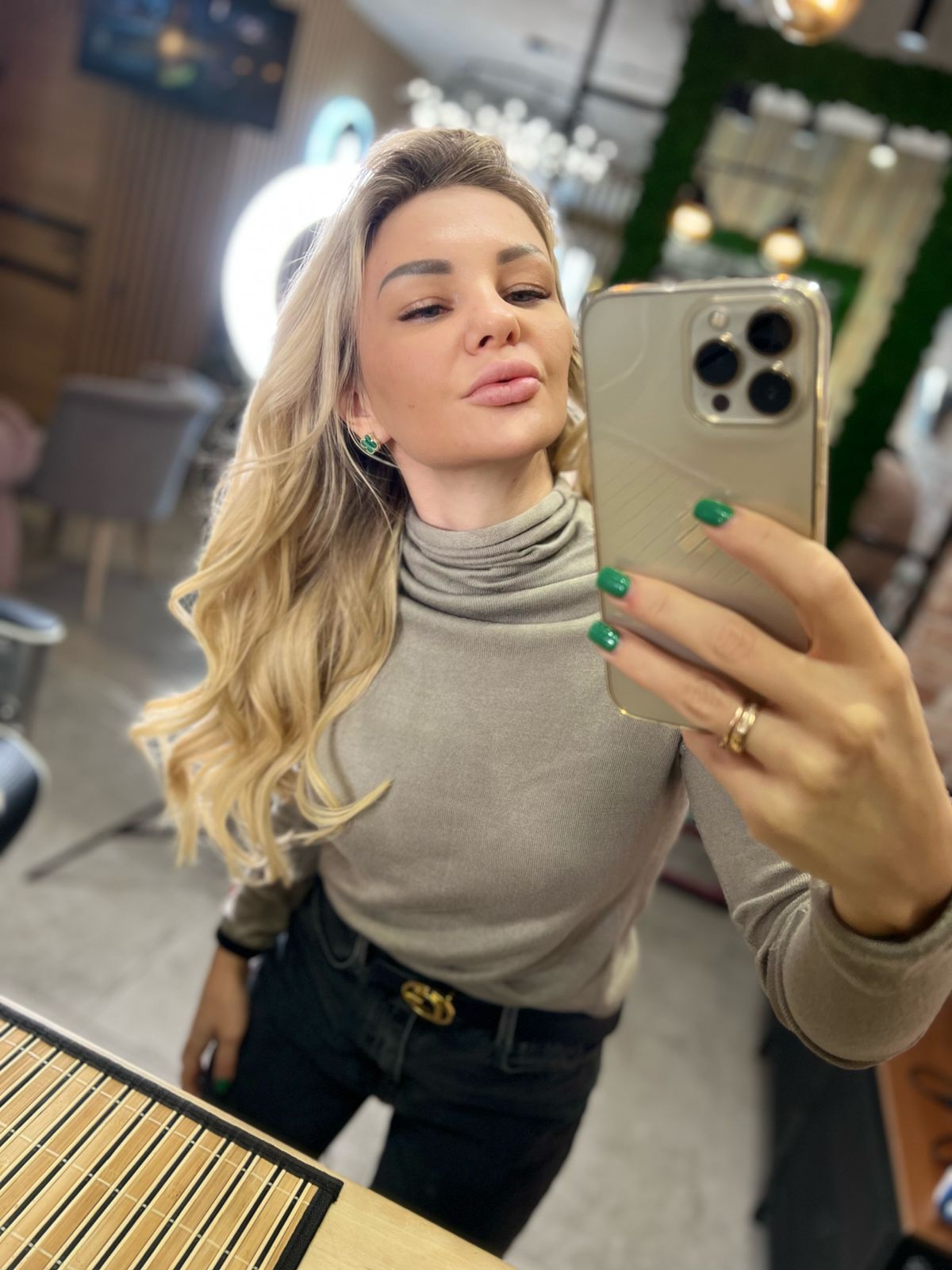
Certified hair extension stylists with 14+ years of experience. Own production of virgin Slavic hair, 10,000+ bundles in stock, salon in Dubai. Specialization: keratin extensions, ethical sourcing Russia & CIS, cold color technology.