Postpartum Hair Extensions: Safe Volume After Pregnancy
A postpartum volume extension case should never begin with a fixed number of strands. After pregnancy, many women notice that their ponytail feels smaller, their part looks wider, or the fullness they were used to has changed almost overnight. The right goal is not to create the maximum possible volume. It is to restore a polished, natural-looking density while respecting what your own hair is ready to support.
For some clients, hair extensions may become a suitable cosmetic option once postpartum shedding has stabilized and their natural hair can support the added weight. For others, postponing installation or choosing a carefully selected temporary styling solution may be more appropriate. The priority should always be protecting natural hair rather than creating immediate volume at any cost.
Why postpartum hair needs a different extension plan
During pregnancy, hormonal changes often keep more hairs in the growth phase. Several weeks or months after delivery, that cycle shifts, and shedding can become noticeably more intense. This is commonly temporary, but it can make the scalp and hairline feel more exposed than usual.
Postpartum hair shedding is commonly known as telogen effluvium. It often becomes noticeable a few months after childbirth and may peak around the fourth month. For many women, the excessive shedding gradually improves, with natural fullness returning within the first year. However, persistent or unusually severe hair loss should be evaluated by a dermatologist, as other conditions may require attention.
The important distinction is between normal post-pregnancy shedding and a situation where the hair is becoming too fine or sparse to carry extensions comfortably. A qualified stylist assesses density throughout the head, not only in the lengths. They look closely at the nape, temples, crown, and the areas around the part, where postpartum changes can be most visible.
A client may arrive asking for long, dramatic hair because she misses the fullness she had before pregnancy. That feeling is understandable. Yet adding significant length to fine, actively shedding hair can create more weight than the natural strands should carry. A better plan may focus first on soft volume through the mids and ends, using carefully selected placement and lighter bonds.
The first consultation: what should be assessed
A postpartum extension appointment should begin with a clear conversation, not a color chart. Timing matters. Your stylist should ask how long it has been since delivery, whether shedding is still active, how your hair feels during washing and brushing, and whether there is any scalp sensitivity.
The consultation also needs to account for your normal routine. Frequent updos, workouts, swimming, heat styling, and how often you wash your hair all affect method selection and placement. If you are caring for a newborn, the best plan is usually one that is beautiful without demanding an unrealistic amount of styling time.
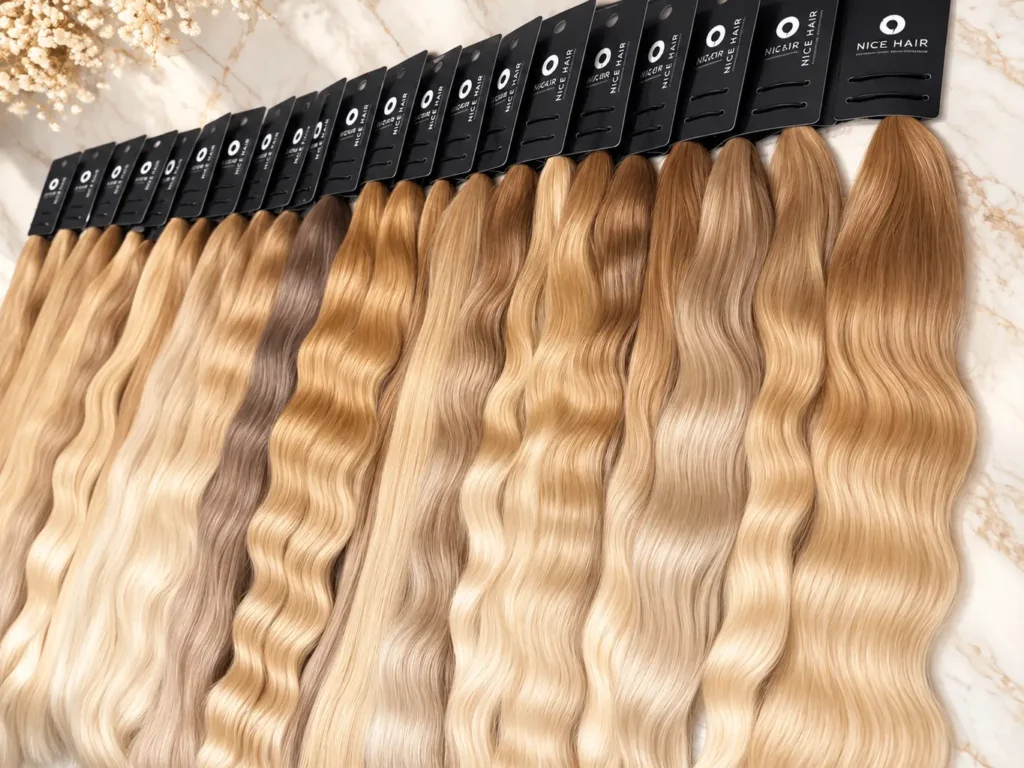
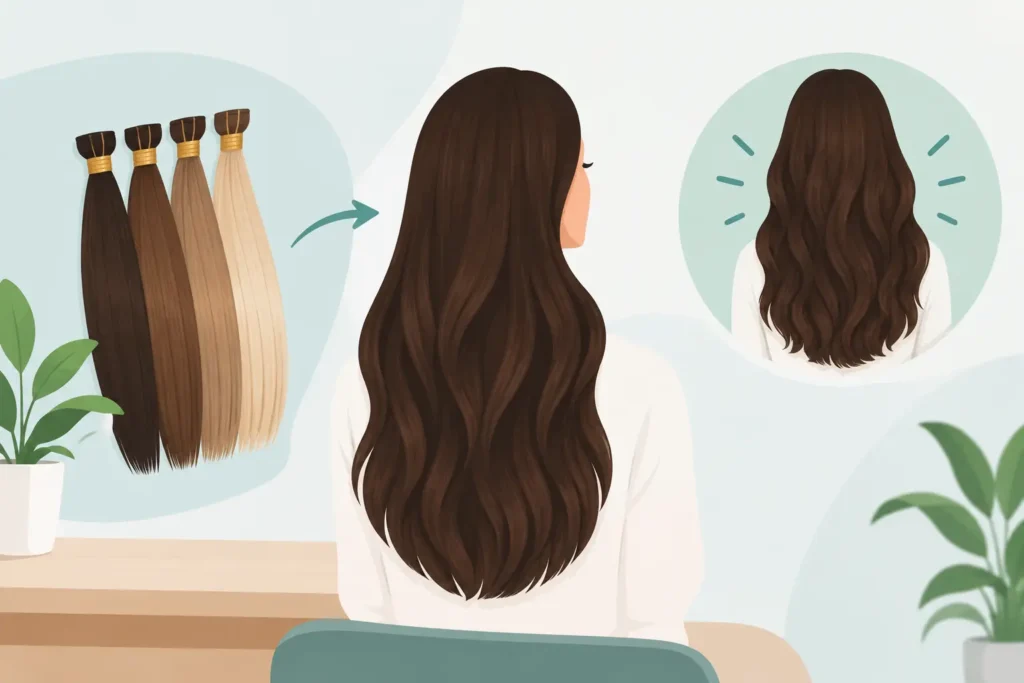
Your natural color, texture, and density guide the hair selection. Premium Slavic human hair, whether untreated or professionally colored, can be selected to complement fine or medium-density hair when its texture, shade, and weight are appropriate. The objective is movement and visual continuity: hair that looks like it grew there, rather than an obvious change in thickness below the shoulders.
When Can You Consider Hair Extensions After Pregnancy?
There is no universal number of weeks or months after childbirth when hair extensions become suitable for everyone. The right timing depends on whether postpartum shedding has settled, how much natural density remains, and whether the scalp and hairline can support additional weight without discomfort.
If you are experiencing ongoing or significant hair loss, consult a dermatologist before considering extensions. Once your hair condition is stable, a qualified extension specialist can assess whether lightweight volume, a limited number of strands, or another styling approach is appropriate.
When a stylist may recommend waiting
Extensions are not the answer to every postpartum concern. If there are visible bare patches, significant breakage, persistent scalp irritation, or shedding that feels unusually severe, it is wise to pause and speak with a medical professional before booking an installation.
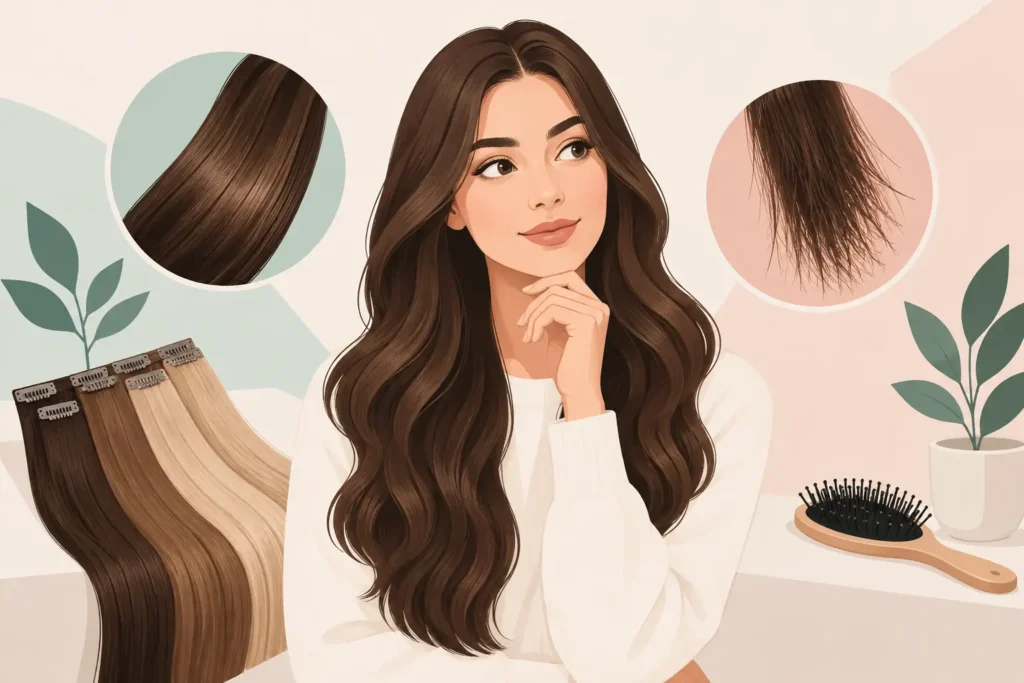
Waiting is not a disappointing outcome. It can be a protective choice that gives your hair time to stabilize. In the meantime, a haircut that creates the appearance of fullness or a lightweight, non-tension styling option may be more appropriate. Removable clip-in extensions should only be considered if the natural hair is strong enough to support the clips without additional pulling or breakage. A responsible salon should be comfortable saying so.
Building volume without unnecessary weight
A successful postpartum volume extension case is usually more about distribution than quantity. Volume placed too densely in one area can look unnatural and may make the hair feel difficult to manage. Volume distributed in fine, balanced sections can make the entire hairstyle appear fuller while keeping the installation light.
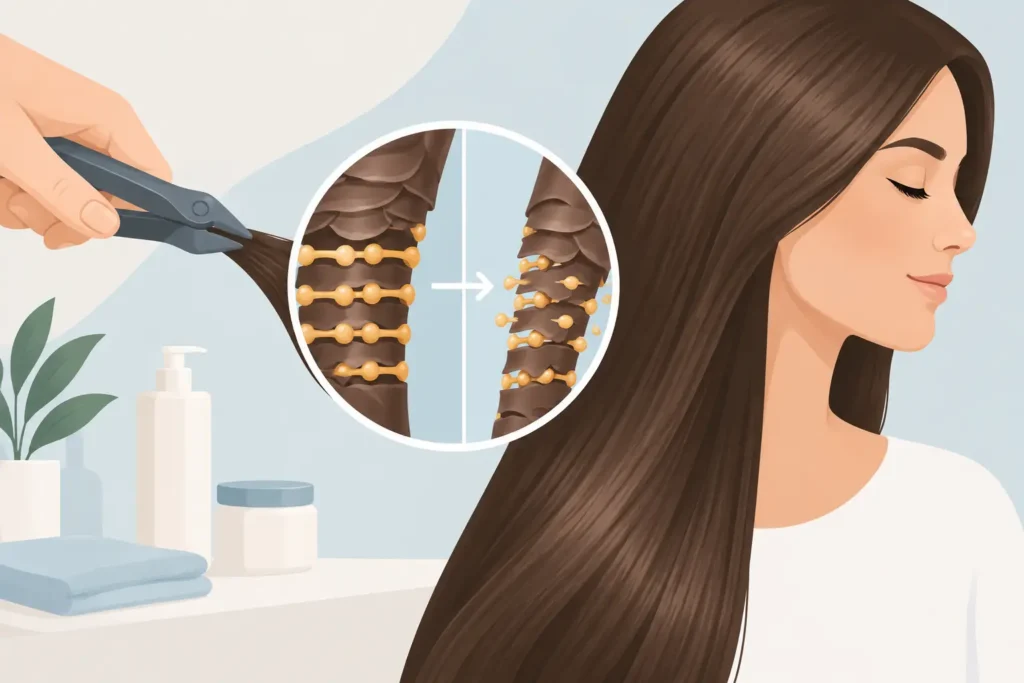
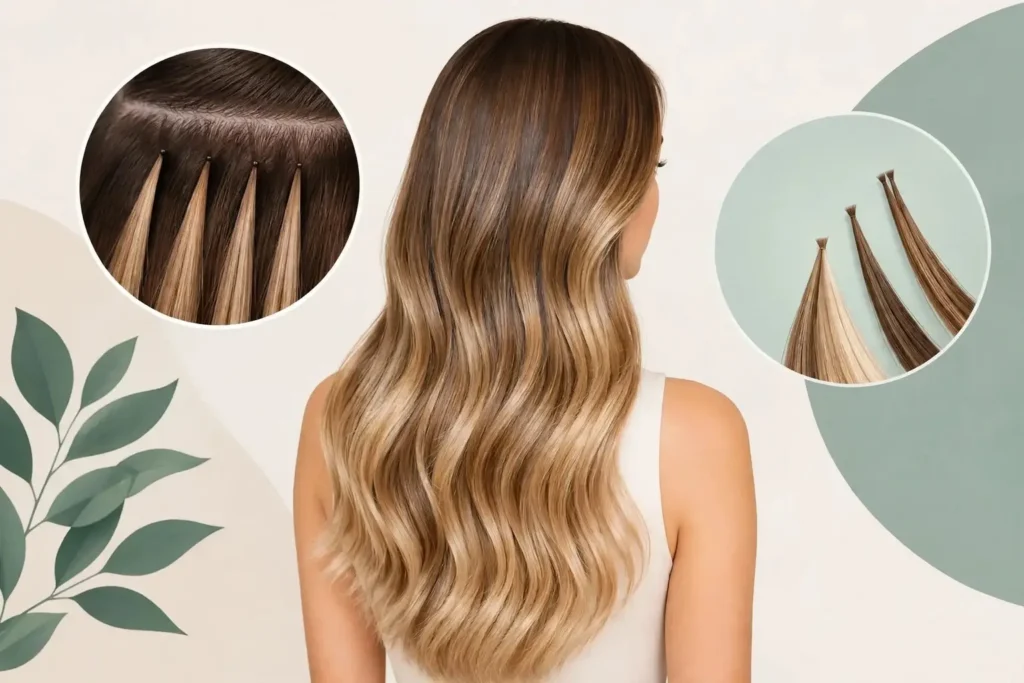
With keratin extensions, bond size and spacing are especially important. Small, hand-finished keratin bonds allow a stylist to work with controlled sections and avoid placing tension in delicate areas. The hairline, temple area, and very fine crown sections often need a more conservative approach than the stronger hair at the back of the head.
Length also changes the equation. A modest increase in length may require far less hair than a dramatic transformation, and it can make postpartum density look immediately more balanced. Many clients achieve their favorite result by keeping the length close to their natural hair and concentrating on fullness where the ends have become thin.
This is where a custom plan matters more than a standard package. The same number of strands can feel light and natural on one person and excessive on another. Your hair’s current condition, not a trend or a photo reference alone, should determine the final volume.
Matching color so the result stays believable
Postpartum regrowth can create a mix of tones around the face and part. Even when the overall color seems consistent, new growth, faded lengths, and highlighted sections may reflect light differently. A single flat shade can make extensions more noticeable, especially in sunlight.
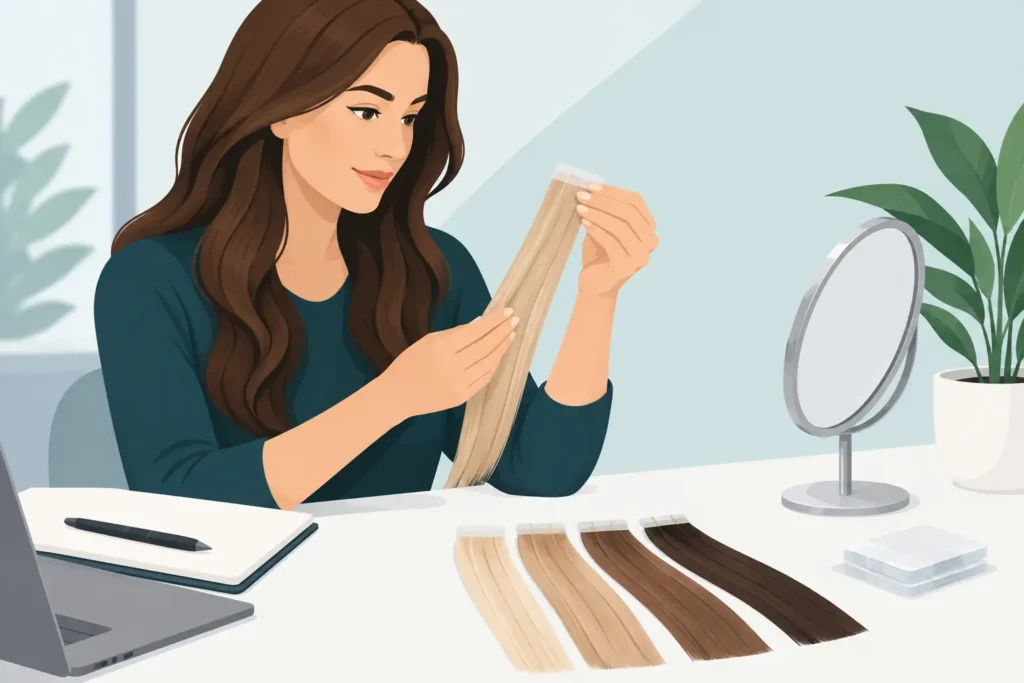
Professional color matching looks at the root, mids, and ends separately. A soft blend of tones may create a more natural result than choosing one exact-looking color from a swatch. Carefully controlled coloring and appropriate hair processing can help maintain a natural-looking finish. For clients seeking subtle postpartum volume, the priority should be choosing extension hair that blends with their existing shade and texture without requiring excessive additional styling.
Texture deserves the same attention. Straight extensions can look disconnected in naturally wavy hair, while overly textured hair may create bulk where the client wants softness. The best match responds naturally to your own styling, whether you air-dry with a gentle wave or prefer a polished blowout.
For clients whose natural hair is ready for extensions, choosing lightweight, well-matched human hair can help create subtle fullness without an overly dramatic change. NICE HAIR produces natural human hair in Russia, offering different lengths, shades, and textures for professional extension work. If you’re a stylist sourcing natural hair extensions for volume, contact our international hair sales team on WhatsApp.
What comfortable aftercare really looks like
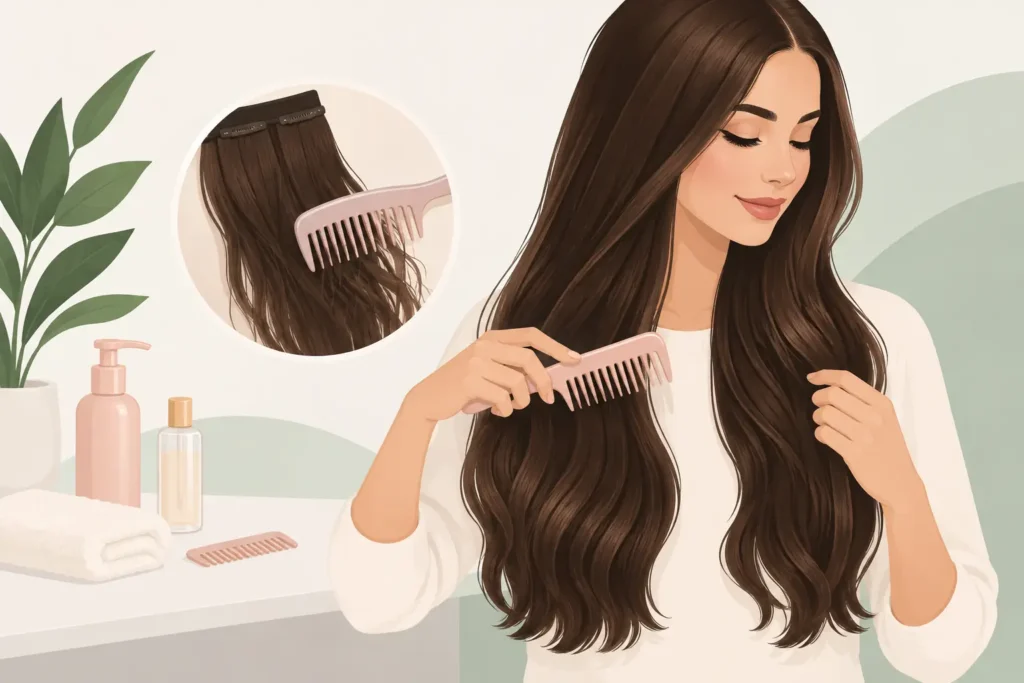
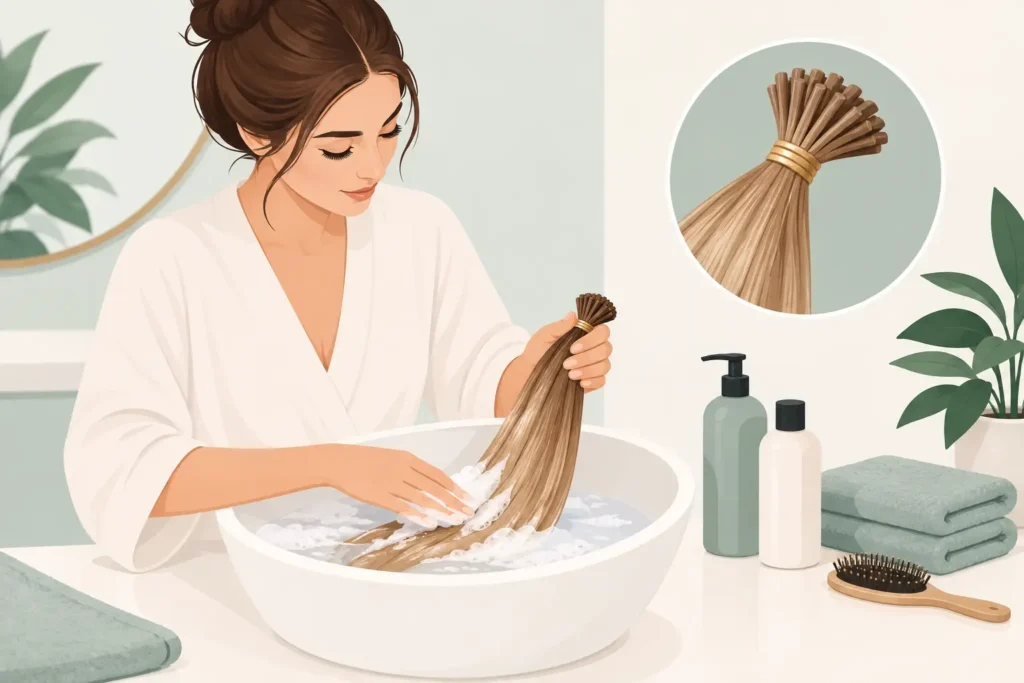
Postpartum life is already full. Extension care should be specific, but it should not become complicated. Brush gently from the ends upward, support the roots while detangling, and keep the bond areas clean and fully dry after washing. A loose braid or low ponytail before sleep helps reduce friction and tangling.
Avoid applying rich masks, oils, or conditioners directly onto keratin bonds. These products can be useful through the mid-lengths and ends, but they should stay away from the attachment points. Your stylist should show you exactly where the extensions begin and explain how to cleanse around them without aggressive rubbing.
Regular maintenance appointments are part of protecting the result. They allow the stylist to check bond comfort, remove naturally shed hairs that remain within the extension sections, and confirm that the installation still suits your changing density. Postpartum hair does not always follow a predictable timeline, so an adaptable plan is better than waiting until discomfort or tangling appears.
Choosing expertise over a one-size-fits-all result
The best postpartum extensions are often the ones no one notices. They make a ponytail feel fuller, create a more balanced silhouette in photos, and give you the option to wear your hair down without focusing on thin ends. They should not feel tight, cause headaches, or require you to hide the attachment points.
At NICE HAIR, the consultation focuses on natural hair density, the stage of postpartum recovery, desired volume, lifestyle, and suitable hair quality. When extensions are appropriate, the goal is a carefully planned result with balanced weight, discreet attachments, and realistic aftercare expectations. If the hair is not ready for installation, postponing the service should remain an option.
If your hair is changing after pregnancy, the first step is to understand whether it can comfortably support extensions. During active or significant shedding, postponing installation may be the most appropriate choice. Once your hair condition has stabilized and any medical concerns have been assessed, NICE HAIR Dubai specialists can help you explore natural-looking volume, suitable hair textures, and a personalized placement plan. Ask our team about a postpartum hair extension consultation on WhatsApp.
Frequently Asked Questions About Hair Extensions After Pregnancy
Can you get hair extensions after pregnancy?
Hair extensions may be an option after pregnancy when natural hair density is stable and the strands are strong enough to support additional weight. However, active postpartum shedding can make attached extensions unsuitable. Before installation, a qualified stylist should assess your hair condition, scalp sensitivity, and desired volume. Significant or persistent hair loss should be evaluated by a dermatologist.
Are hair extensions safe during postpartum hair loss?
Hair extensions are not automatically safe during postpartum hair loss. When natural hair is shedding heavily or becoming noticeably thinner, additional weight and tension around attachment points may increase the risk of breakage. It is generally more cautious to postpone bonded installations until shedding has stabilized. A medical assessment may also be appropriate before considering a cosmetic hair extension service.
How long should you wait after giving birth before getting hair extensions?
There is no fixed waiting period that applies to everyone. Postpartum shedding commonly begins a few months after childbirth, and many women gradually regain their usual hair fullness within the first year. The right time to consider extensions depends on your individual hair condition rather than the number of months since delivery. Consult a dermatologist if shedding is severe, unusual, or persistent.
What type of hair extensions is best for thin hair after pregnancy?
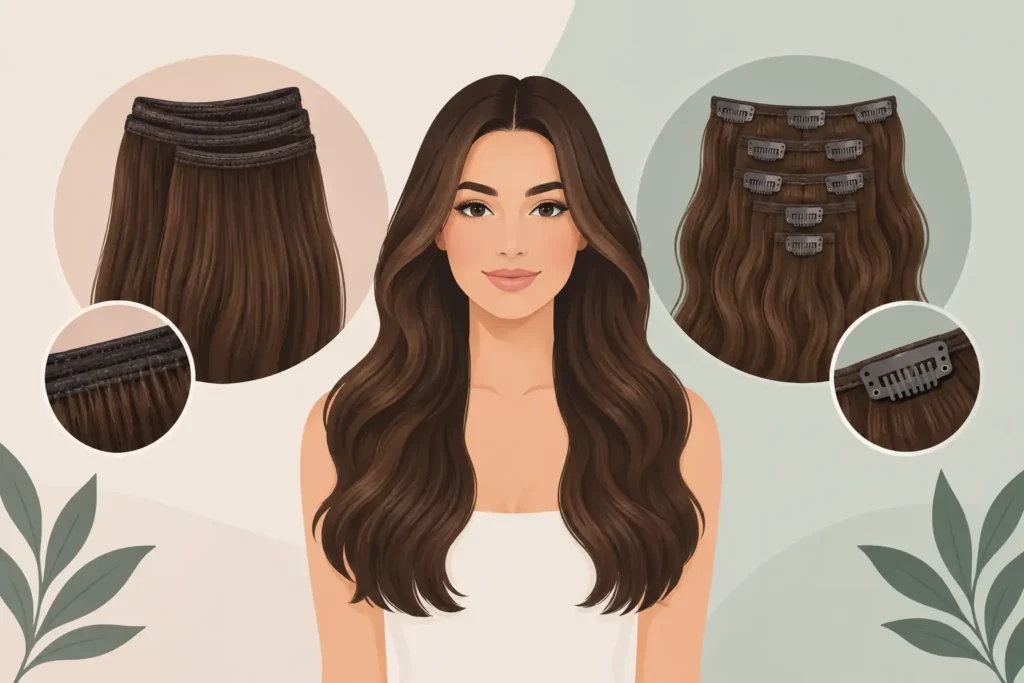
The best extension method depends on how much natural hair density and strength remain after postpartum shedding. If the hair has stabilized, a professional may consider lightweight, carefully distributed extensions with appropriate attachment sizes. Keratin bonds, tape-ins, and removable pieces each have limitations. If the hair is fragile or actively shedding, postponing extensions or choosing a non-tension styling alternative may be preferable.
Can hair extensions help restore volume lost after pregnancy?
Hair extensions can create the appearance of fuller hair, but they do not treat postpartum hair loss or stimulate natural regrowth. When the natural hair is healthy enough for installation, professionally selected extensions may add visual density to the mid-lengths and ends. The amount and placement should be conservative and personalized to avoid unnecessary tension on recovering hair.
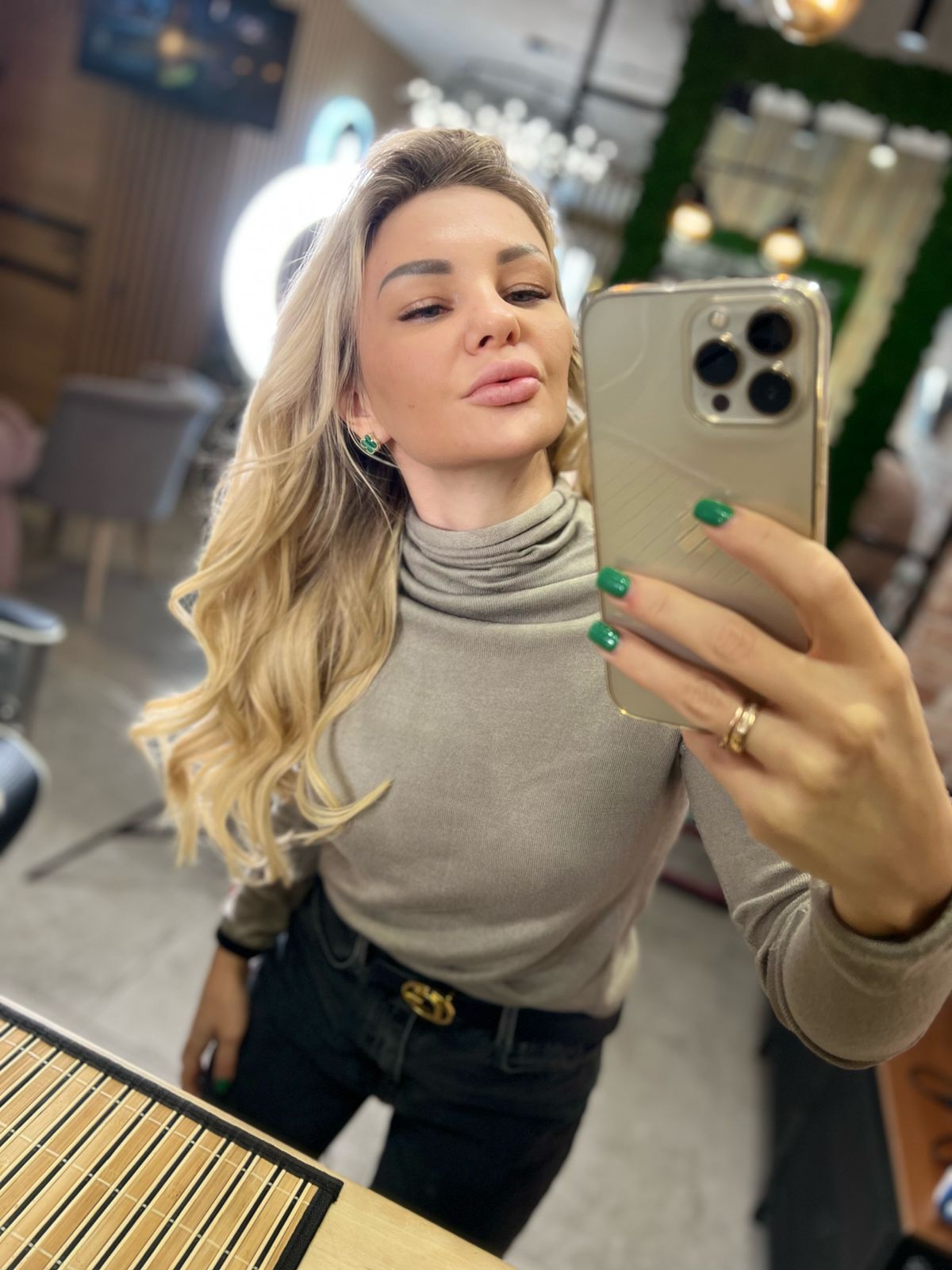
Certified hair extension stylists with 14+ years of experience. Own production of virgin Slavic hair, 10,000+ bundles in stock, salon in Dubai. Specialization: keratin extensions, ethical sourcing Russia & CIS, cold color technology.