A cool blonde should not feel dry on day one, and a dimensional brunette should not turn flat after a few washes. That is the standard behind cold colored human hair: premium natural hair colored with careful temperature control to protect the softness, movement, and visual depth that make extensions look believable.
For clients choosing extensions in Dubai, color is rarely just one shade. Sunlight, indoor lighting, skin tone, root color, and the condition of natural hair all affect the final result. For professionals, the challenge is equally precise: the hair must accept color predictably while remaining stable enough to be customized, installed, and worn beautifully. Cold coloring is designed to support that balance.
What Cold Colored Human Hair Means
Cold colored human hair is natural hair that has been dyed without aggressive heat processing during the coloring stage. Rather than forcing color through the hair with elevated temperatures, the colorist works with controlled formulas, timing, and lower-temperature conditions. The purpose is not simply to create a beautiful shade. It is to maintain as much of the hair’s original character as possible.
The phrase can mean slightly different things across manufacturers, so it should not be treated as a universal certification. The real question is how the hair was sourced, sorted, lightened, toned, and finished before it reaches the client or stylist. A transparent supplier should be able to explain the process clearly, including whether the hair is virgin, whether its cuticles are aligned, and how its color was achieved.
At NICEHAIR, the work begins with ethically selected Slavic hair from Russia and CIS countries. The material is sorted before it is transformed into strands, wefts, tapes, or other extension formats. This foundation matters because even the most careful coloring cannot compensate for hair that was poorly selected or heavily processed from the start.
Why Temperature Changes the Result
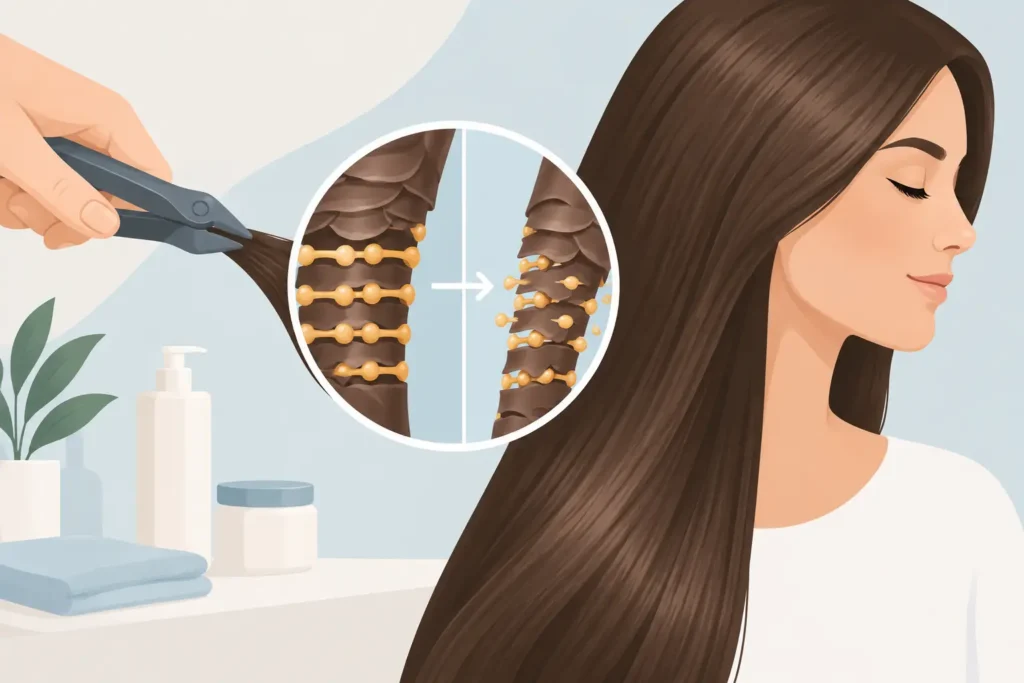
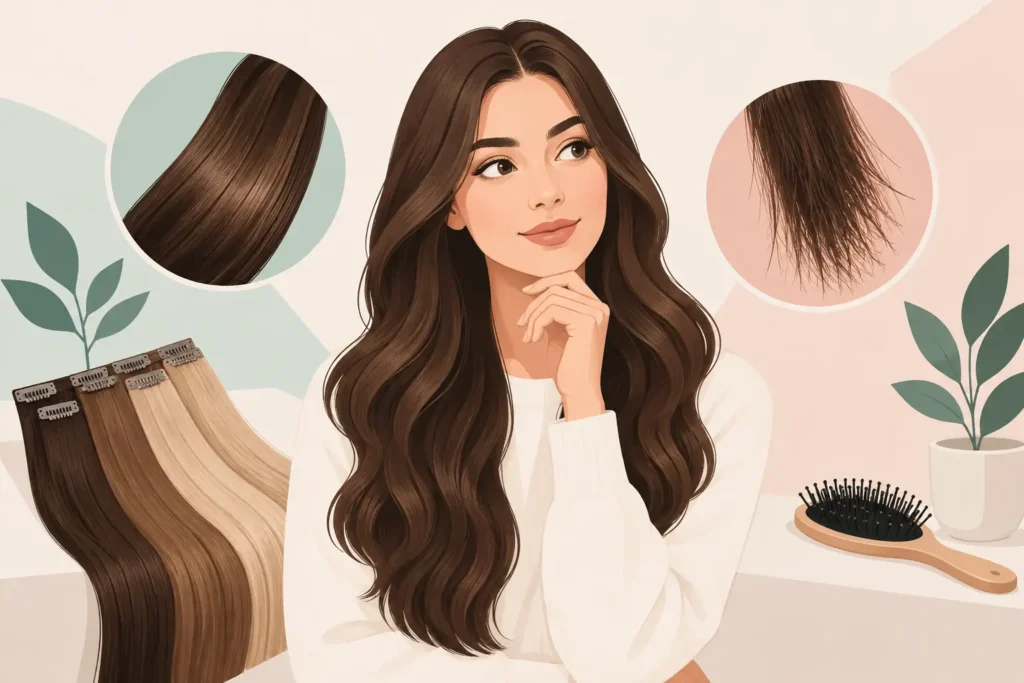
Human hair is a natural fiber. Its outer cuticle influences how light reflects from the strand, how easily it tangles, and whether it feels smooth between the fingers. High heat and repeated intensive chemical exposure can make the surface more vulnerable, especially on fine, light-colored hair.
Cold coloring does not mean that color chemistry disappears. Any permanent or lifting service involves a technical process, and very light shades still require expertise. The difference is the level of control. Lower-temperature processing can reduce unnecessary stress on the fiber, helping retain a more natural-looking sheen and a softer hand feel.
This is particularly valuable for shades that tend to reveal damage quickly: icy blondes, beige blondes, ash browns, silver tones, and complex balayage blends. When hair becomes porous, it may absorb toner unevenly, lose a cool reflection too fast, or look dull at the ends. A considered cold-coloring approach helps create a more even canvas before the hair is made into finished extensions.
The trade-off is time and skill. Gentle processing is not a shortcut. It may require more measured formulation, testing, and careful observation than an aggressive one-step approach. Premium hair is not defined by a color name alone. It is defined by how the hair behaves after color, washing, styling, and normal wear.
The Difference You Can See and Feel
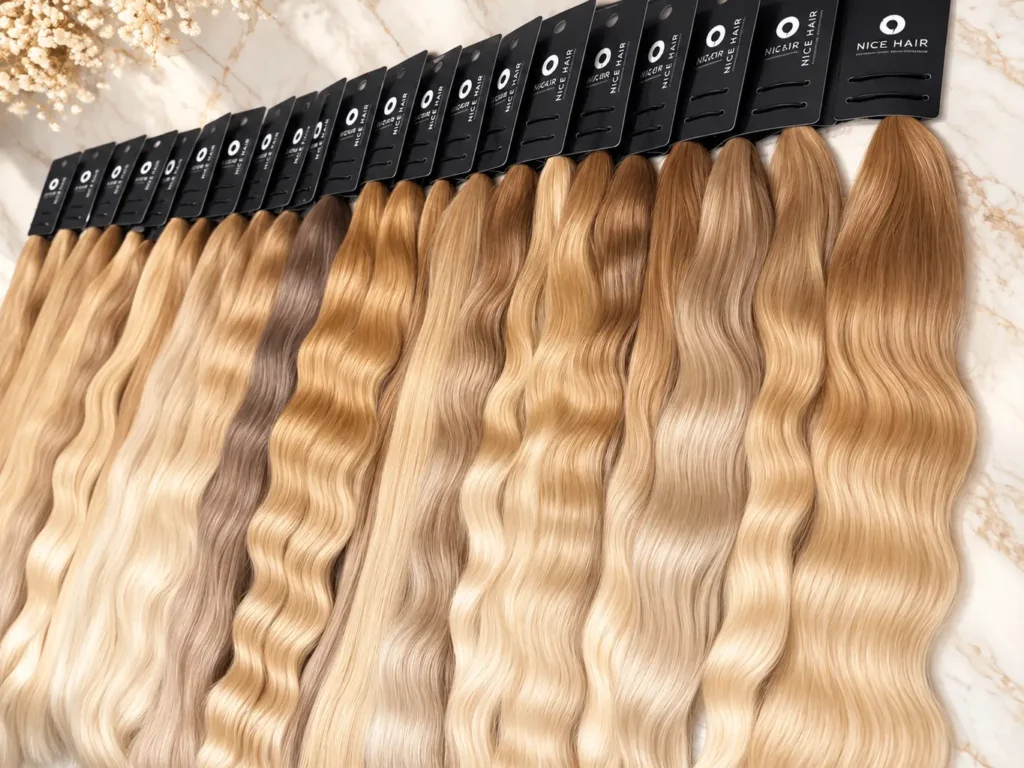
The best extension color does not look painted on. It has a soft transition from root to length, controlled warmth or coolness, and enough tonal variation to move naturally in daylight. Cold colored hair supports this effect because the goal is to preserve the reflective quality of the strand rather than create an opaque, overly uniform finish.
Texture matters just as much. Hair extensions should blend with natural hair when worn straight, curled, or styled into a ponytail. If the hair feels coated, stiff, or excessively shiny, the result may look artificial even when the shade is technically correct. Natural hair that has retained its movement is easier to style and more convincing at close range.
For a client with fine natural hair, softness can also affect comfort. Extensions that are carefully selected and prepared are easier for a stylist to distribute in a way that avoids visual heaviness. The color work and installation work together: a beautifully toned strand still needs the right length, density, attachment method, and placement.
Choosing the Right Shade for Extensions
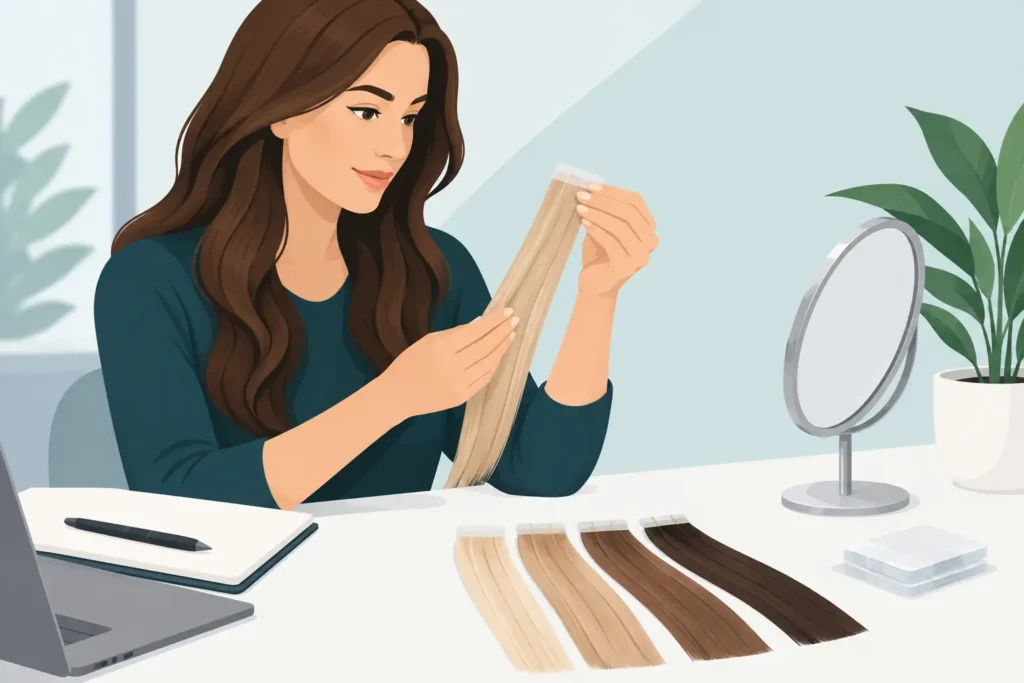
A photo can be a useful reference, but it is not enough for a precise color match. Screen settings change undertones, and salon lighting can make a neutral blonde appear warmer or cooler than it really is. A professional consultation should consider the root, mid-lengths, ends, face-framing pieces, and how the client normally wears her hair.
Matching Is Often Better Than Exact Replication
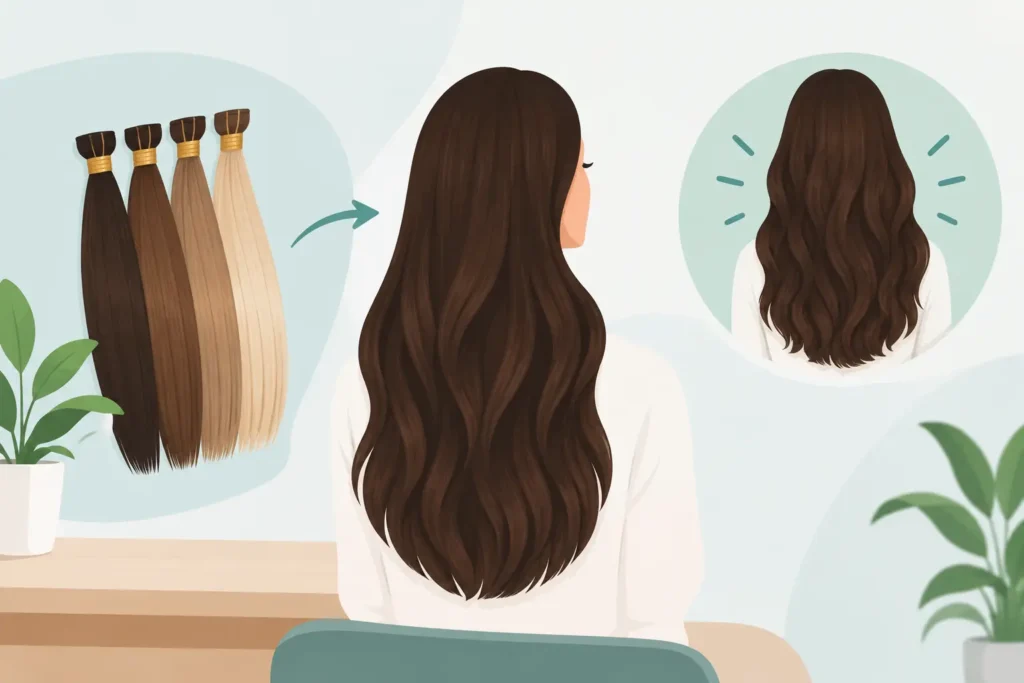
An exact single-shade match is not always the most natural choice. Many clients have several tones through their length due to sun exposure, previous coloring, or natural variation. In those cases, a blend of two or more shades can create a more refined result than one flat color.
For example, a client with a medium brown root and soft caramel lengths may benefit from a dimensional mix rather than a fully warm extension set. A cool-beige blonde may need a small amount of deeper root color for a seamless transition. The correct choice depends on the desired finish: invisible everyday volume, a brighter salon-blonde effect, or a deliberate contrast.
Consider Your Maintenance Routine
Cool tones need thoughtful home care. Purple or blue-toning products may help maintain a blonde or ash reflection, but overuse can leave fine hair looking muted or slightly dry. Use professional care recommended for your specific shade and hair condition, and avoid treating every wash as a toning treatment.
Saltwater, chlorinated pools, mineral-heavy water, and intense sun can also affect color over time. This does not mean extensions are unsuitable for an active Dubai lifestyle. It means the routine should be realistic. Protect hair before swimming, rinse it promptly afterward, and use a heat protectant before hot tools.
What to Ask Before Buying Cold Colored Hair
Before choosing colored extensions, ask where the hair came from and whether it was processed in a controlled production environment. Ask whether it is real human hair, how the color was created, and whether the product is appropriate for additional toning or customization. For salon installation, ask which attachment method best suits your natural density and lifestyle.
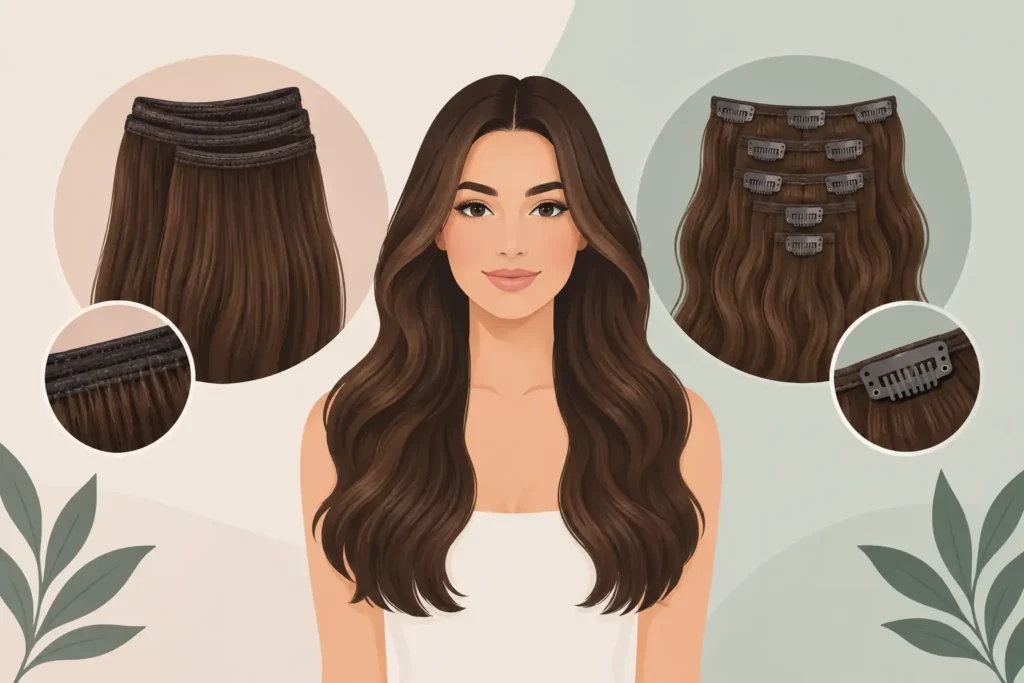
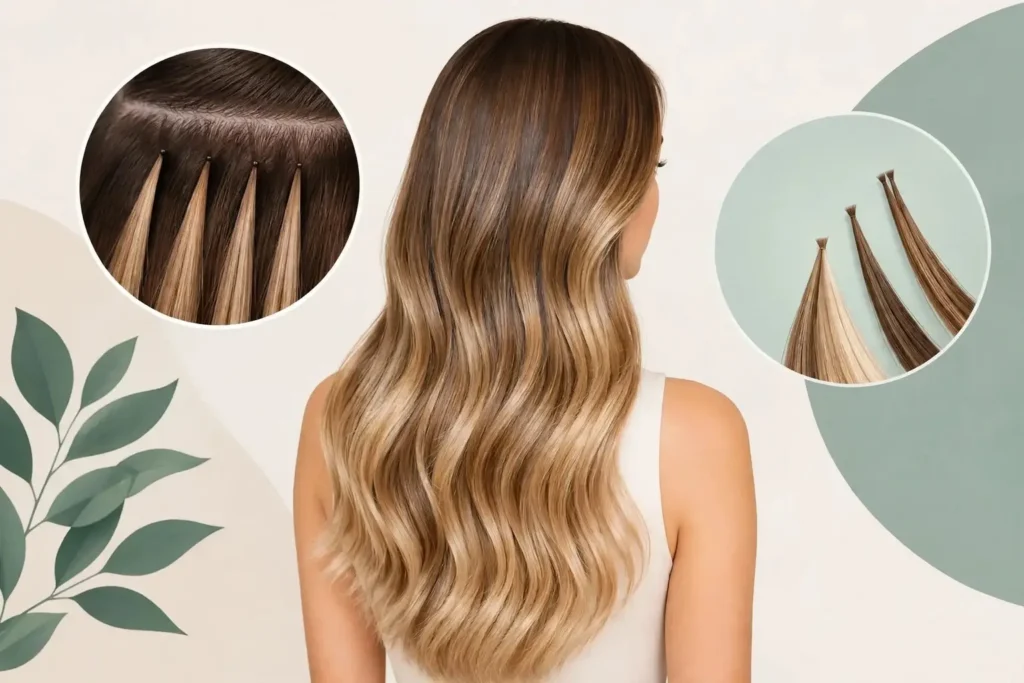
The format matters too. Keratin bonds can offer highly individualized placement and are often selected for an exceptionally discreet result. Tape-ins, wefts, and other methods can be excellent options depending on hair type, desired volume, and maintenance preferences. There is no single best method for every client.
NICEHAIR works with 13 extension formats and maintains a stock of more than 10,000 hair cuts, allowing color, length, and density to be selected with greater precision. That range gives a stylist room to create a tailored blend instead of asking a client to settle for the closest available shade.
Care That Protects Color and Longevity
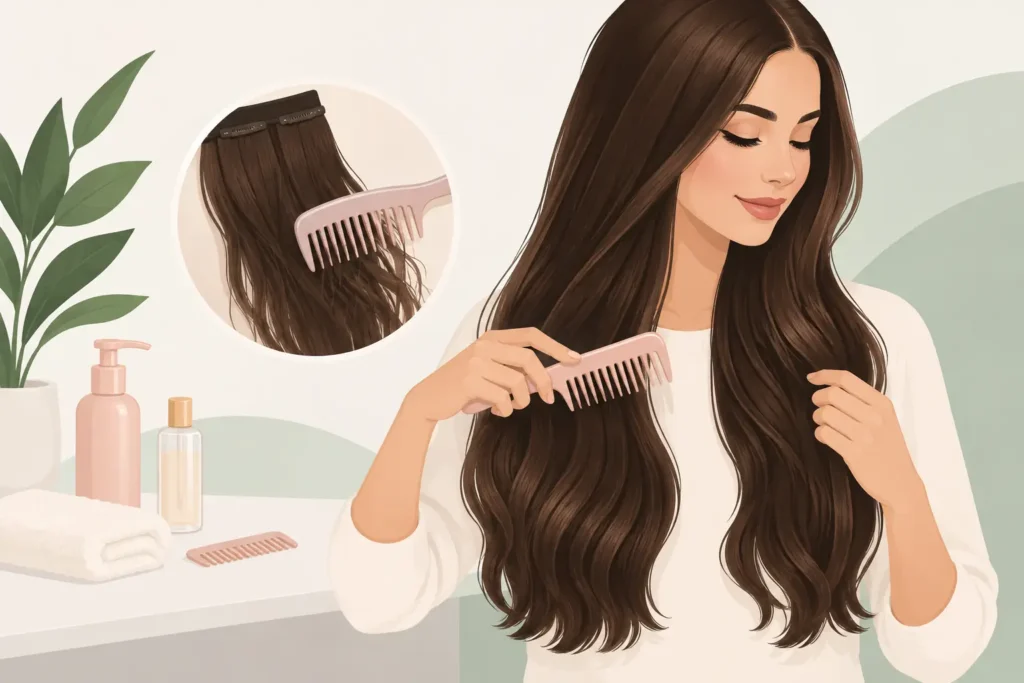
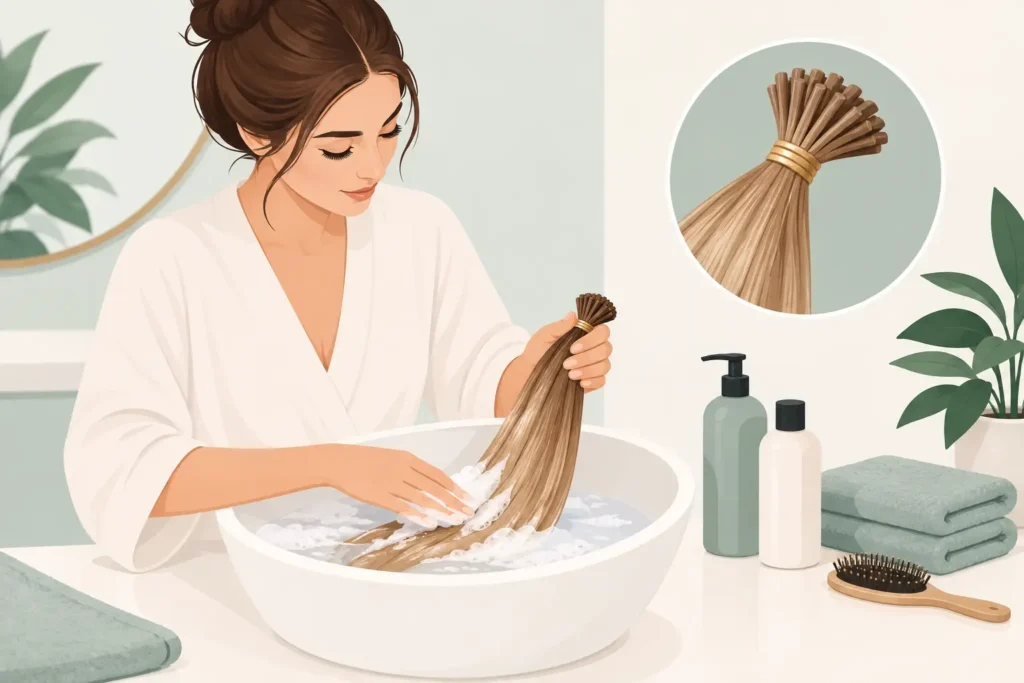
Colored natural hair deserves a routine that is gentle but consistent. Brush from the ends upward, support the hair near the attachment area, and use a professional extension brush. Wash with lukewarm water rather than very hot water, apply conditioner through the lengths, and make sure the roots and attachment areas are fully dry after washing.
Avoid applying oils, masks, or heavy conditioners directly to bonds or tapes. These products can be beneficial on mid-lengths and ends, but they should be placed with care. If you wear keratin extensions, do not sleep with damp hair or pull it into a tight style while wet.
Heat styling is possible with quality human hair, but frequent high temperatures shorten the life of any colored length. A lower heat setting, a heat protectant, and occasional air-dried styling will help preserve both softness and tone. Your stylist can recommend a routine that fits your hair color, installation method, and usual schedule.
Beautiful color should remain beautiful after real life: a long workday, a weekend at the beach, a dinner reservation, and a quick morning style. Choose hair with a transparent origin and a coloring process that respects the fiber, then let a skilled consultation determine the shade and method that will look like it was always yours.
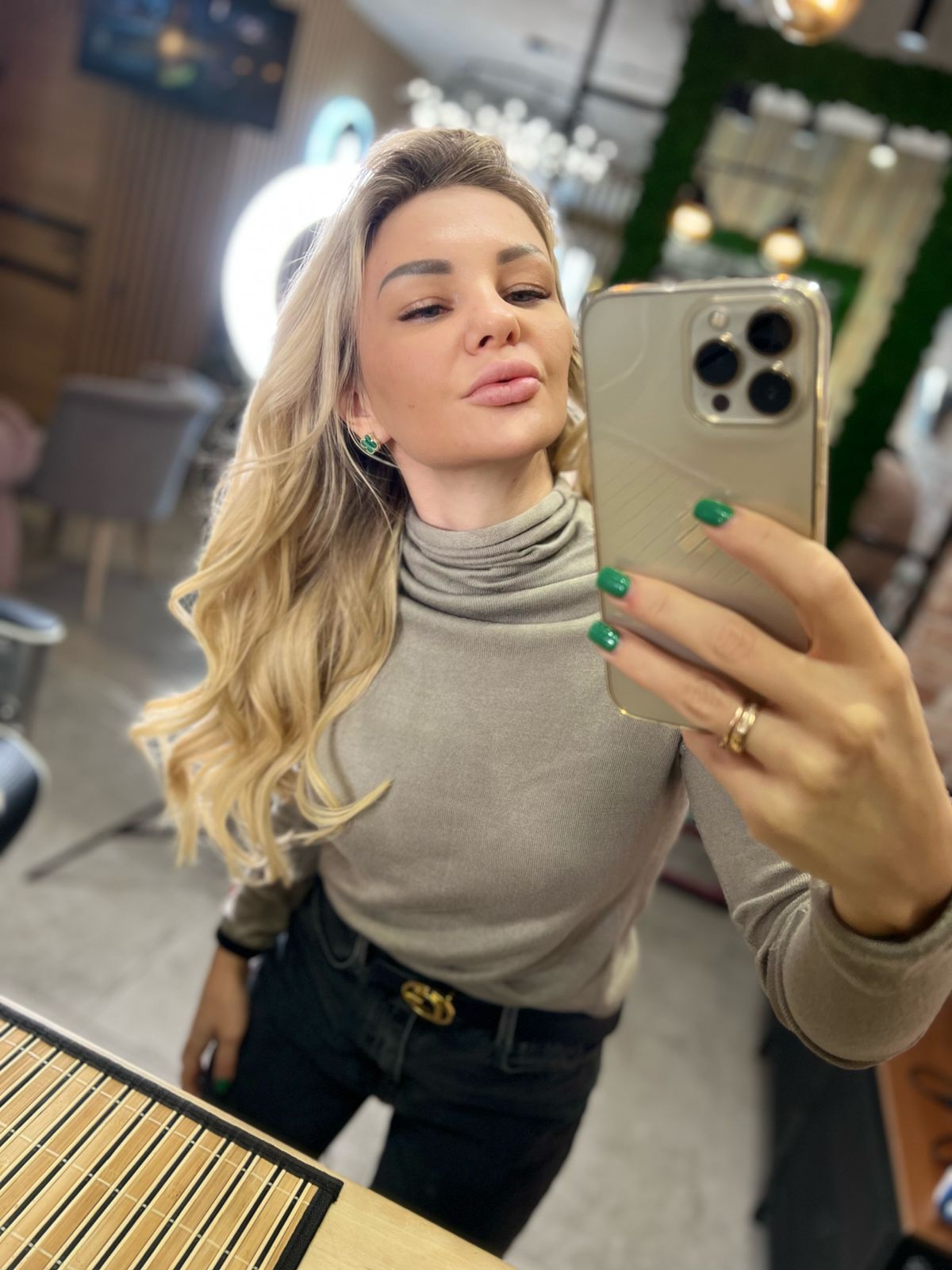
Certified hair extension stylists with 14+ years of experience. Own production of virgin Slavic hair, 10,000+ bundles in stock, salon in Dubai. Specialization: keratin extensions, ethical sourcing Russia & CIS, cold color technology.