A close-up ponytail, a center part, hair tucked behind the ear – these are the moments that reveal whether an extension service was planned with precision. Invisible keratin bonds extensions are designed for exactly this level of scrutiny: a natural-looking result with small, individually placed attachment points that blend into the hair rather than interrupt it.
The word invisible deserves an honest explanation. No attachment is literally impossible to detect under every condition. But when the bond size, strand weight, placement, color, and hair texture are correctly selected, keratin bonds can be exceptionally discreet in daily life. They move with the natural hair, sit flat, and allow a level of customization that wider attachment methods cannot always provide.
For clients who want length, density, or both without compromising a polished, believable finish, the difference lies less in the name of the technique and more in the standard behind it.
What Makes Keratin Bonds Look Invisible?
Hot keratin extensions are applied strand by strand. A stylist attaches a small donor-hair strand to a controlled section of the client’s own hair using professional keratin. This makes it possible to vary the weight and placement of every bond across the head.
The most natural result begins with proportion. A fine hairline needs lighter, smaller bonds than the stronger hair at the nape. Areas around the temples, crown, and part require intentional spacing so the extensions are not exposed when hair moves. A stylist should also preserve enough distance from the scalp and hairline to keep the result comfortable and easy to style.
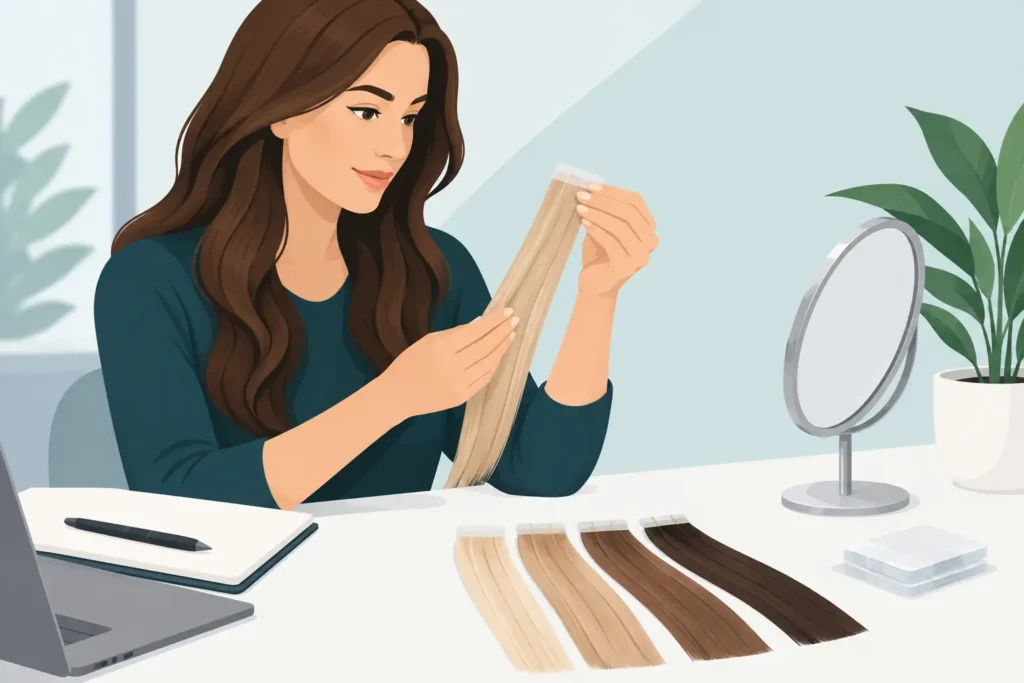
Bond color matters as much as bond size. Clear or color-matched keratin can reduce contrast, but it is not a substitute for skilled placement. On dark roots, blonde lengths, or dimensional coloring, the stylist must assess what will be visible at the scalp rather than relying on a single universal formula.
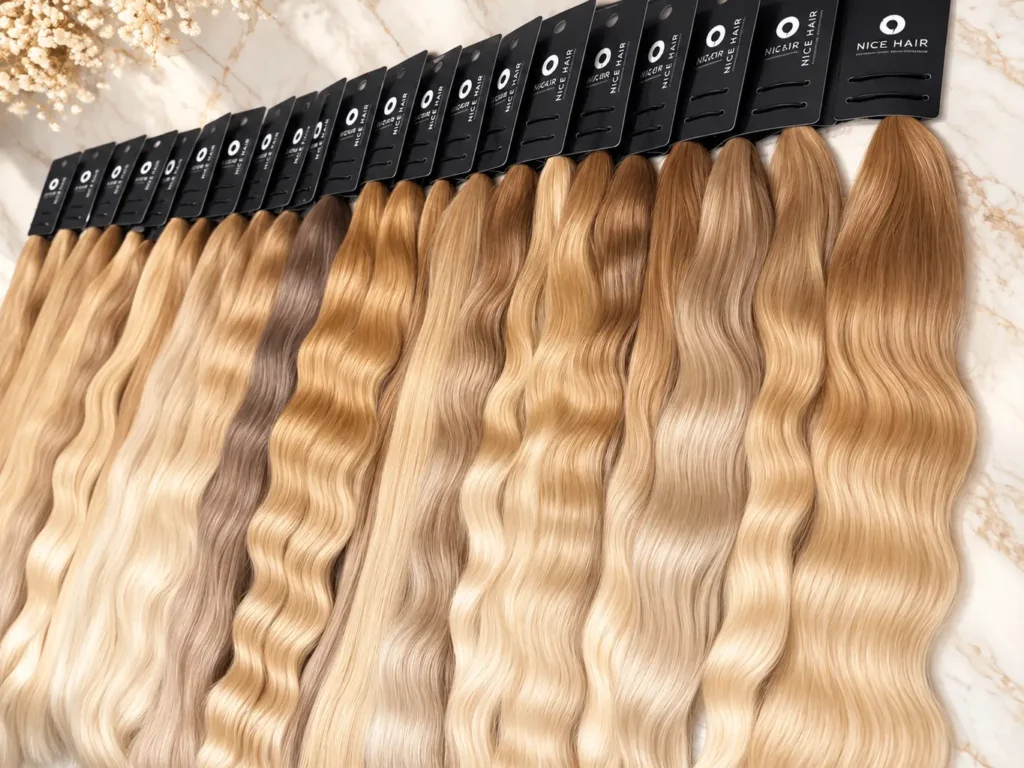
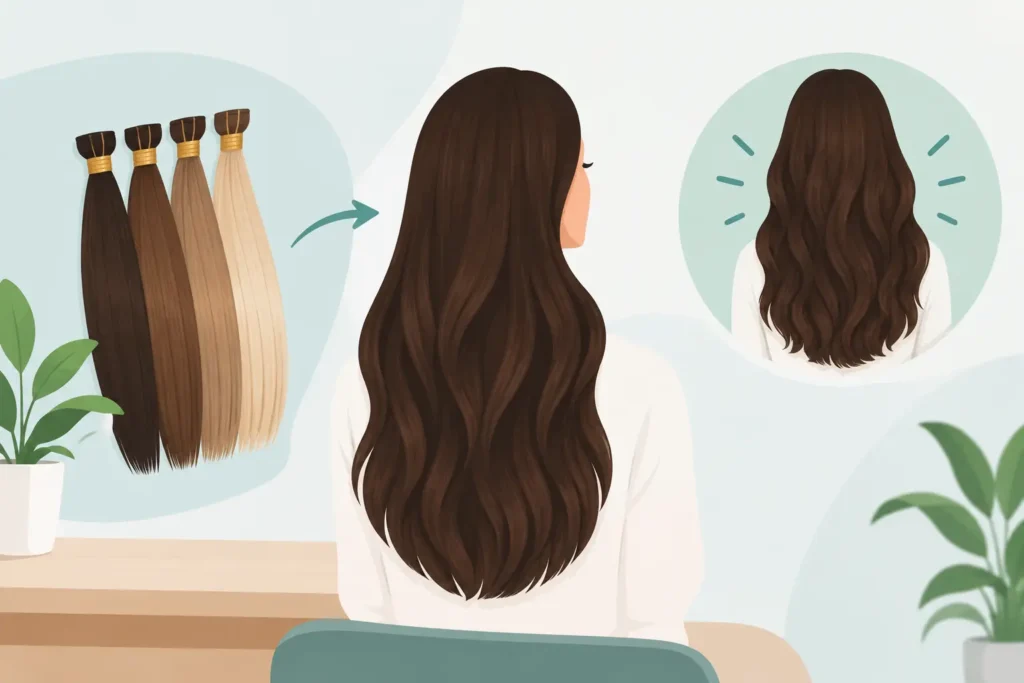
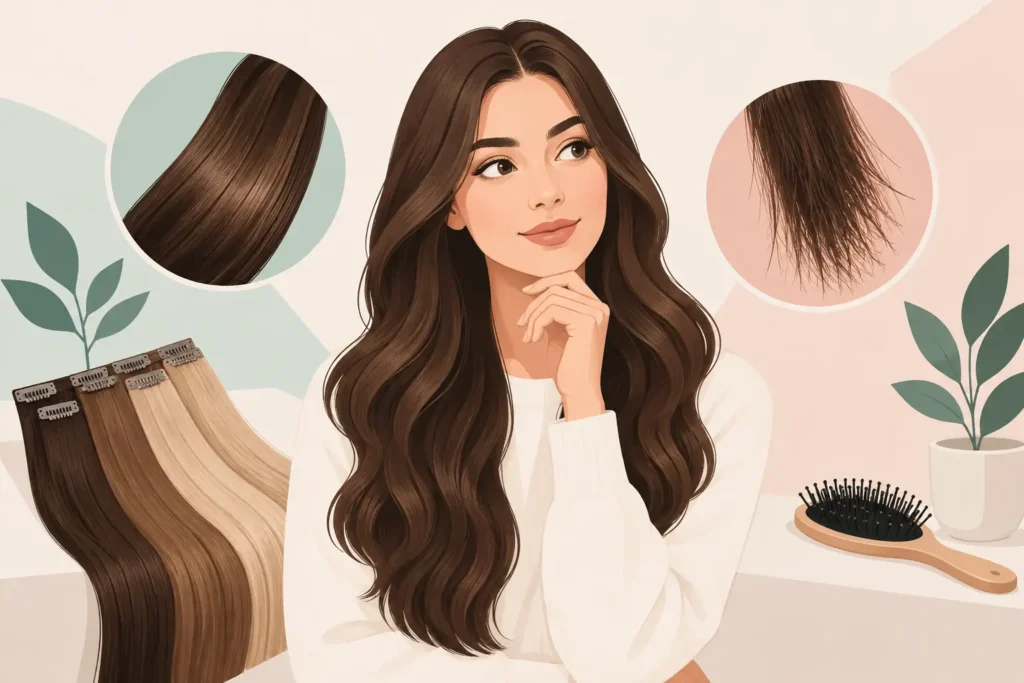
Hair selection completes the effect. Extensions that are too shiny, too dense at the ends, or noticeably different in texture will draw attention even if the bonds are tiny. Premium virgin Slavic hair is valued for its soft movement, natural cuticle alignment, and ability to be customized in tone while retaining a refined finish.
Invisible Keratin Bonds Extensions Need a Custom Plan
The same method can create a subtle transformation on one client and feel too heavy on another. That is why a consultation should come before any promise about the number of strands, the length, or the final price.
A thoughtful plan considers the client’s density, hair diameter, previous coloring, daily styling habits, and desired result. Someone adding fullness to medium-length hair may need a completely different amount of hair than someone moving from a short cut to long lengths. A client who wears high ponytails several times a week needs a placement map that accounts for that movement.
At NICEHAIR, this planning is supported by an in-house supply of more than 10,000 hair bundles and 14 years of extension experience. The advantage is not simply choice. It is the ability to match length, shade, and texture without forcing a client into a limited set of preselected options.
The Hairline Is Where Precision Shows
The front sections are often where clients worry most about visibility. This concern is valid, especially with fine hair or a tendency to wear hair away from the face. Heavy bonds placed too close to the hairline can look obvious and create unnecessary tension.
A refined installation uses smaller, lighter strands around sensitive areas, with enough natural hair left free to cover and support the attachments. In some cases, fewer bonds at the front create a more convincing result than trying to add maximum density everywhere.
This is also where expectations need to stay realistic. If the natural hair is very sparse around the temples, extensions can add softness and balance, but they should not be used to overload fragile hair. Protecting the client’s own hair always comes before achieving a dramatic visual effect.
Who Is a Good Candidate for This Method?
Keratin bonds are often an excellent option for clients who want a highly customized result, especially when they have uneven density or want natural movement through the lengths. Because the hair is installed in small sections, the stylist can build density selectively instead of creating one uniform layer.
They are particularly suited to clients who enjoy wearing their hair down, in low or medium updos, or in varied styling patterns. With correct placement, they can also work well for high ponytails. The final decision depends on hair strength and the placement plan, not just the desired hairstyle.
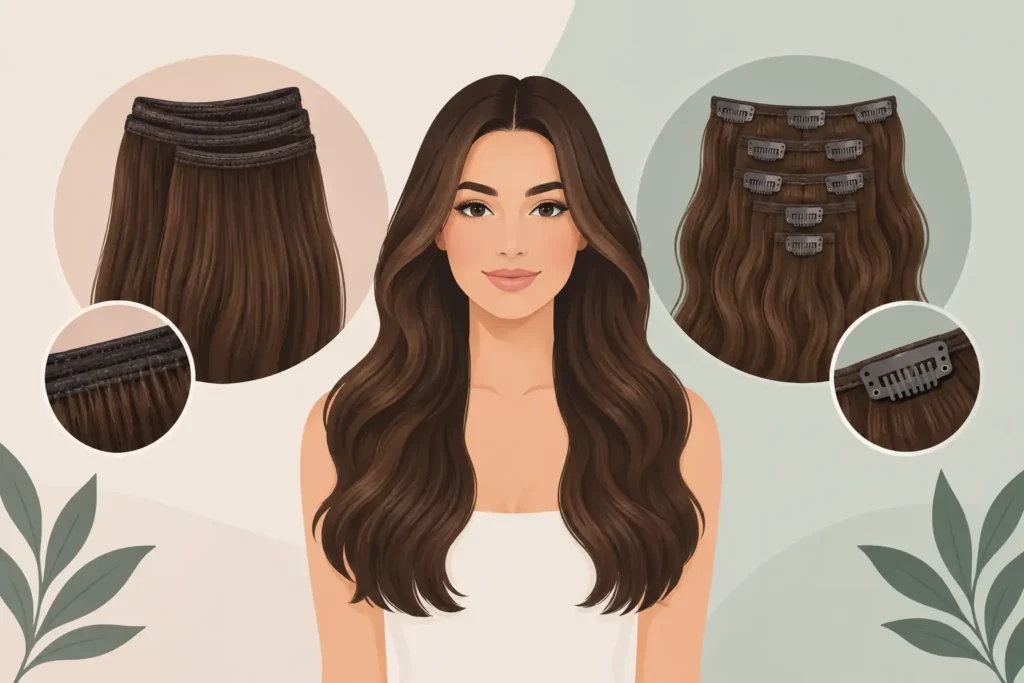
There are situations where another format may be more appropriate. If you prefer to remove and reinstall your extensions frequently, want a shorter salon appointment, or need a temporary look for an event, another extension method may offer better flexibility. If the scalp is irritated, the hair is actively breaking, or there is significant shedding, the responsible choice may be to pause and address hair and scalp health first.
A premium service should make these distinctions clear. The best technique is the one that fits your hair, lifestyle, and maintenance commitment – not the one with the most dramatic before-and-after image.
How Long Do Keratin Bonds Last?
Most keratin bond installations are worn for approximately three to five months. The precise timeline depends on natural hair growth, home care, strand size, and how quickly the bonds move away from the scalp. Unlike some reusable systems, keratin bonds are generally removed and replaced rather than moved up.
Longevity should never be confused with leaving bonds in too long. As your natural hair grows, the attachment moves farther from the scalp. Waiting beyond the recommended removal time can make brushing more difficult and increase the chance of tangling near the root.
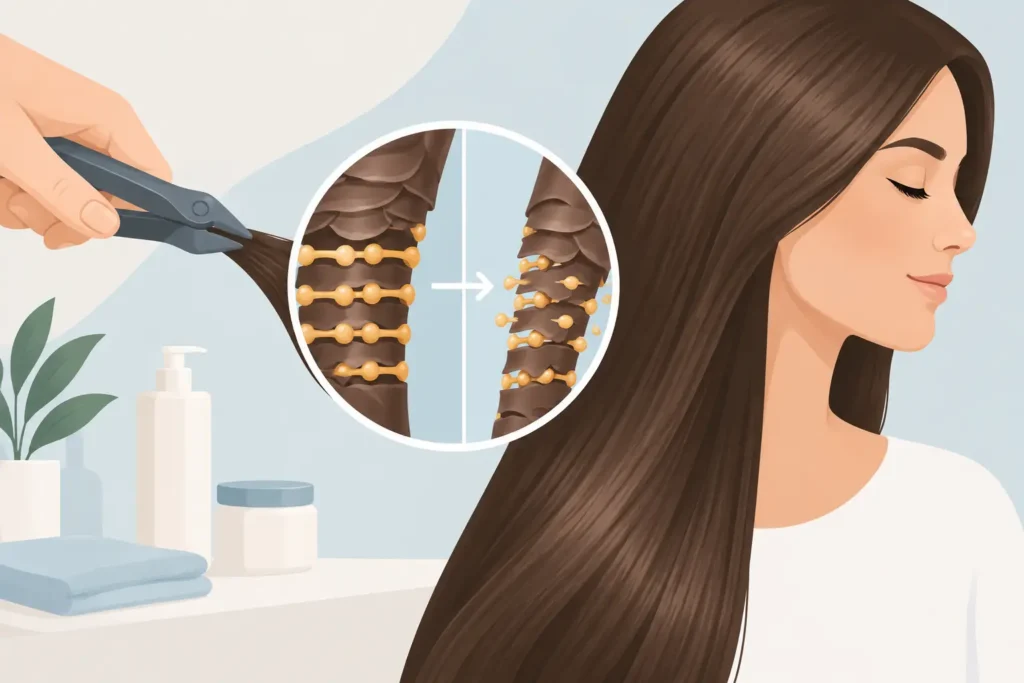
A professional removal is essential. The keratin should be softened with the correct product and gently broken down without pulling. Extensions should never be peeled, cut out blindly, or removed with force. A careful service includes checking the condition of the natural hair, cleansing away residue, and discussing whether immediate reinstallation is appropriate.
Care That Keeps the Result Refined
Beautiful hair at the salon is only the beginning. The way you wash, dry, brush, and sleep with extensions directly affects how invisible they continue to look.
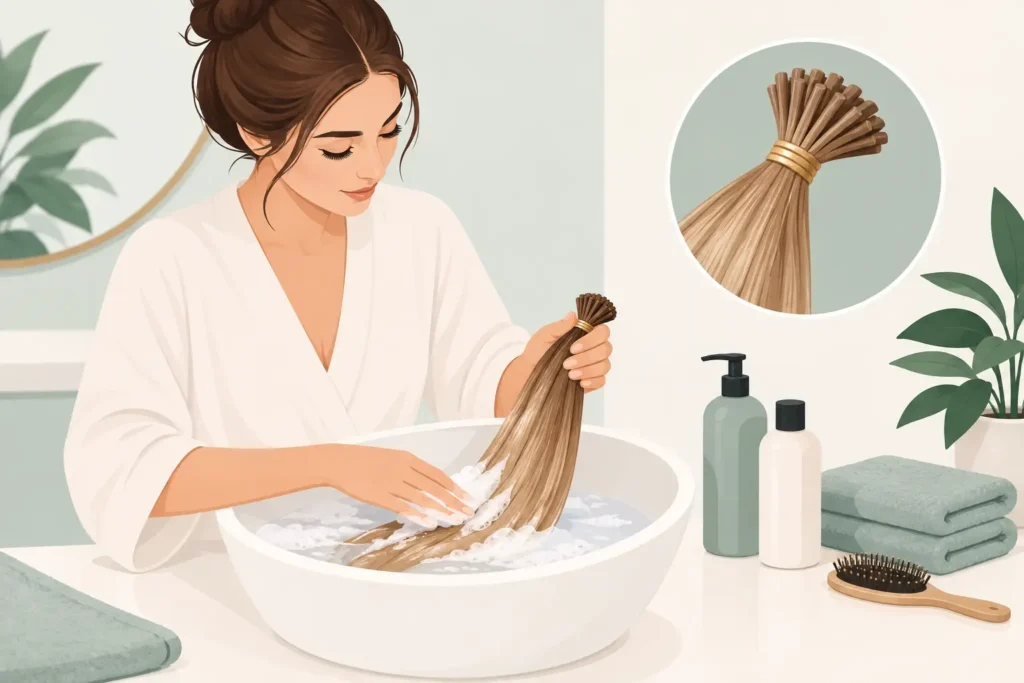
Use sulfate-free, extension-safe products and keep conditioner, masks, and oils away from the bonds themselves. Rich products are beneficial through the mid-lengths and ends, but they can soften or cause buildup around attachment points. Wash the scalp gently, without aggressive circular rubbing, and rinse thoroughly.
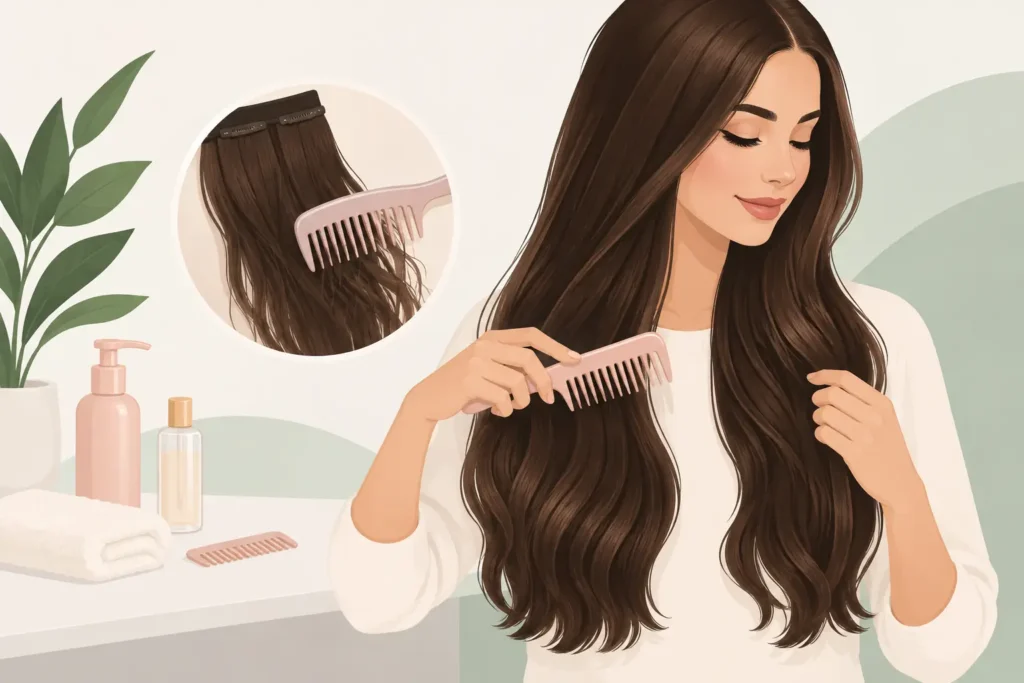
Brush at least twice a day with an extension-safe brush. Support the roots with one hand while working slowly through the lengths, then brush close to the scalp without catching the bonds. Before bed, make sure the hair is fully dry and secure it in a loose braid or low ponytail to reduce friction.
Heat styling is possible, but direct heat should not be applied to the keratin. Keep hot tools away from the bond area, use heat protection on the lengths, and avoid flattening the scalp area simply to hide attachments. Proper placement should mean you do not need to style defensively.
For Dubai clients, water exposure deserves additional attention. Chlorine, saltwater, and intense sun can dry the extensions and shift their tone, particularly with lighter shades. Tie hair up before swimming, avoid soaking the bonds, and rinse the lengths with fresh water afterward. A leave-in product on the ends can help maintain softness, but it should stay below the attachment area.
Questions to Ask Before Your Appointment
The quality of invisible keratin bonds extensions is determined well before the first strand is attached. Ask where the hair comes from, whether it has been processed heavily, how the stylist decides strand weight, and what support is available after the appointment.
It is also reasonable to ask how many bonds are recommended and why. More strands do not automatically mean a better result. The right amount is the amount your natural hair can safely support while delivering the density and length you requested.
Finally, choose a salon that can explain removal, maintenance timing, and care in clear terms. Transparency is part of luxury service. You should leave knowing what was used in your hair, how to treat it, and when to return – with a result that feels like your own hair, only more complete.
The most convincing extensions are not the ones people notice. They are the ones that let you move through a busy day, step into sunlight, pull your hair back, and still feel entirely like yourself.
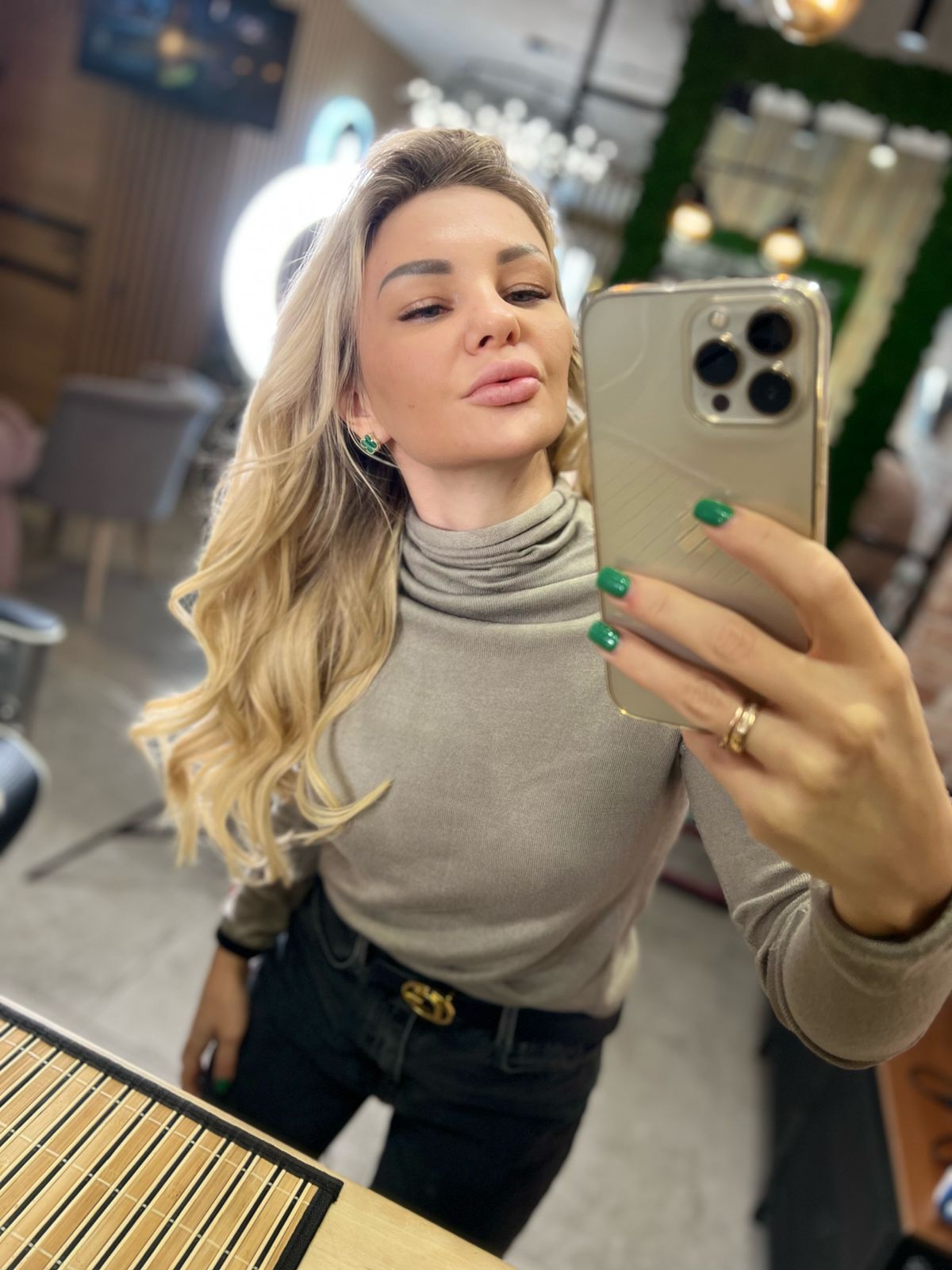
Certified hair extension stylists with 14+ years of experience. Own production of virgin Slavic hair, 10,000+ bundles in stock, salon in Dubai. Specialization: keratin extensions, ethical sourcing Russia & CIS, cold color technology.