Can Keratin Bonds Be Removed Without Damaging Natural Hair?
A keratin extension should never feel like a permanent decision. The bonds are designed to hold securely through daily styling, workouts, and washing, but they can also be released at the right time with the right technique. So, can keratin bonds be removed without damaging your natural hair? Professional removal can greatly reduce the risk of damage when a trained specialist uses the appropriate products and technique. However, the condition of your natural hair, previous installation, and maintenance history also affect the outcome.
The concern is understandable. Keratin bonds sit close to the roots, where your natural hair is finest and most vulnerable to unnecessary pulling. A rushed appointment, an unsuitable remover, or an attempt to slide extensions out by force can create breakage that is entirely avoidable. Professional removal is not simply the final step of an extension service. It is part of the service itself.
Can Keratin Bonds Be Removed Safely?
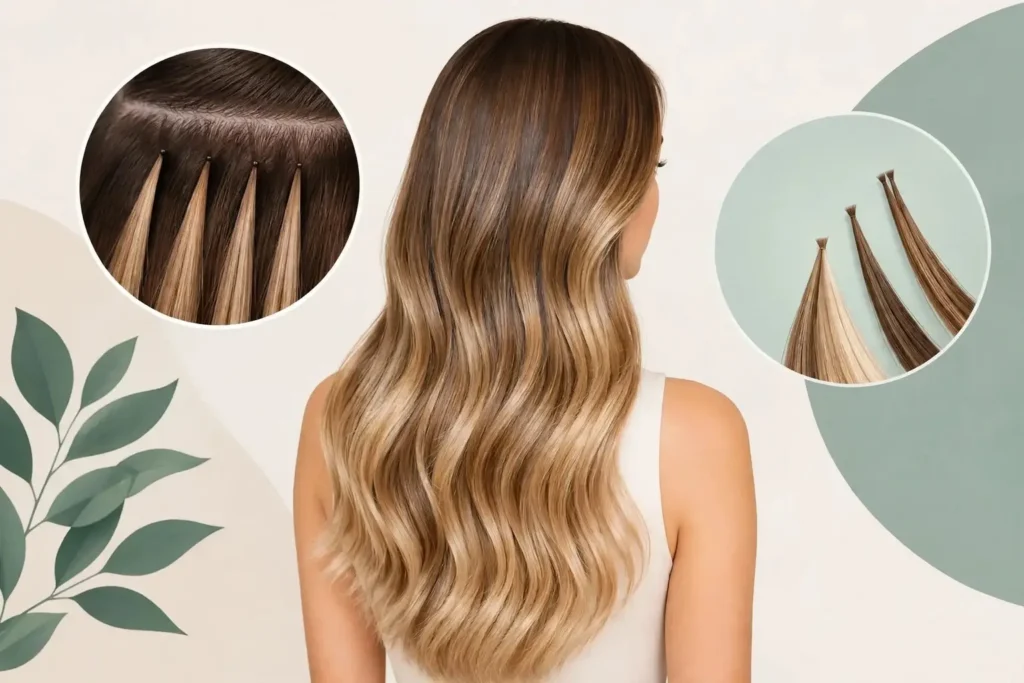
Keratin bonds are typically removed using a professional solution compatible with the specific bonding system, followed by carefully controlled pressure with specialized removal tools. The exact procedure depends on the bond material and the manufacturer’s instructions. The stylist applies the appropriate solution to each individual bond, gently compresses it with removal pliers, and separates the softened keratin from the natural hair strand. The extension is then eased away – never pulled.
The word “safely” matters here. Even excellent removal cannot reverse damage that occurred before the appointment, such as prolonged wear beyond the recommended maintenance period, constant tension from tight hairstyles, or tangling at the root area. But a skilled process greatly reduces the risk of adding new stress to the hair.
A good specialist works slowly enough to protect the client’s own strands. They also check the condition of the bond, the direction of growth, and the amount of natural shedding caught within the attachment before moving on. Precision is what keeps a removal appointment comfortable and protects the result you want to see afterward: clean, free-moving natural hair with no unnecessary loss.
What Happens During Professional Keratin Bond Removal
The process starts with a consultation at the chair. Your stylist should ask how long you have worn the extensions, whether you have noticed any discomfort or matting, how often you use heat, and whether your scalp or hair routine has changed. This helps determine whether the hair is ready for removal alone or whether you may be a good candidate for a fresh installation after a break, trim, or treatment.
Each bond is treated separately. A professional remover is placed directly on the keratin, not broadly through the lengths of the hair. Once the bond begins to soften, the stylist uses specialized pliers to crumble the keratin into small pieces. The extension slides down only when the bond has fully released.
After the extensions are removed, your stylist gently combs away residual keratin and naturally shed hairs. This stage can look alarming if you are not expecting it. Every day, a person naturally sheds hair, and while extensions are attached, many of those loose hairs remain held within the bond instead of falling out individually. Seeing that accumulated shedding during removal does not automatically mean the extensions caused hair loss.
After removal, the stylist should carefully detangle the natural hair, address any remaining bond residue, and assess the condition of the scalp and strands. Cleansing and conditioning may follow as appropriate for the products used and the next planned service. Any remaining residue should be addressed before a new set is installed. Rebonding over leftover keratin, tangles, or compromised sections is not a shortcut worth taking.
Why DIY Removal Is Risky
It can be tempting to search for a quick at-home method when a bond feels loose or an appointment is inconvenient. The problem is that keratin extensions do not all behave the same way. Bond size, placement, product formula, wear time, and your own hair texture all affect how easily they release.
At home, people often use too much force before the bond has softened. Others apply products that leave residue, spread onto the surrounding hair, or interfere with a future installation. A small mistake near the root can turn into snapped strands, especially if the hair is already dry, highlighted, fine, or tangled.
Professional removal is also about visibility. It is difficult to see and isolate every bond on the back of your own head, particularly near the nape and crown. A stylist can identify bonds that have grown out unevenly, sections that need extra detangling, or attachment points carrying more tension than they should.
If an extension is slipping or feels uncomfortable before your planned removal date, do not pull it out. Keep the area dry and avoid brushing aggressively around it until a specialist can examine it.
If your keratin bonds feel uncomfortable, have started slipping, or are becoming difficult to separate, professional assessment is the safest next step. At NICE HAIR Dubai, our extension specialists can help you understand whether it’s time for removal or maintenance. Send a photo and ask for personalized advice on WhatsApp.
When Should Keratin Extensions Be Removed?
Most keratin extensions are worn for several months, but the exact timing depends on bond placement, natural growth, home care, and the condition of both the extension hair and your own hair. The right removal date is not determined by a calendar alone.
As your hair grows, each bond moves farther from the scalp. This increases leverage on the natural strand and can make the attachment more prone to twisting or tangling. Waiting too long may make removal more time-consuming and less comfortable.
Book an assessment sooner if you notice persistent pulling, itching, visible tangling near the bonds, a bond that has shifted noticeably, or extensions that no longer sit naturally with your haircut. These signs do not always mean there is a serious problem, but they deserve professional attention rather than guesswork.
For clients who want to maintain length and fullness continuously, removal and reinstallation can often be planned in the same visit. That decision should depend on the health of the natural hair, not on pressure to keep extensions in at all costs. Sometimes a short rest period, a reshaped cut, or a more conservative volume is the best next step.
The Quality of Installation Affects Removal
Removal begins with the original installation. Neat, correctly sized bonds placed at an appropriate distance from the scalp are easier to isolate and release later. Overly large attachments, uneven sectioning, or bonds applied to too little natural hair create unnecessary strain from the beginning.
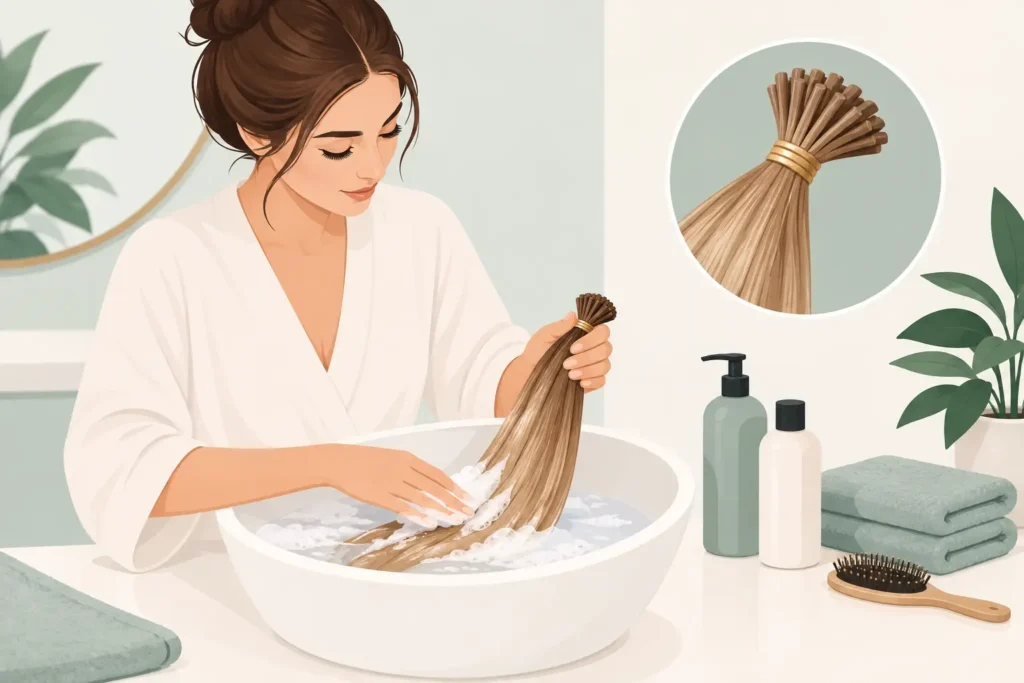
Hair quality matters too. Premium, carefully selected human hair that has been prepared consistently is easier to manage throughout wear because it is less likely to create avoidable tangling in the lengths. But even beautiful extension hair needs the right aftercare: gentle brushing, proper washing, heat protection, and avoiding oils or masks directly on the bonds.
At NICEHAIR, the same attention given to selecting hair, hand-making strands, and matching bond placement also applies at removal. A premium result is not only about how invisible the extensions look on day one. It is about how thoughtfully they are maintained and taken out when their wear cycle is complete.
How to Prepare for Your Removal Appointment
Arrive with dry hair unless your stylist has given different instructions. Avoid applying heavy oils, leave-in treatments, or bond-softening products beforehand, as they can make the specialist’s assessment less clear and may leave residue around the attachment points.
Tell your stylist about any changes since installation. This includes scalp sensitivity, new medication, unusual shedding, color services, frequent swimming, or any areas that have been difficult to brush. Honest details help the professional adjust the removal process and recommend appropriate aftercare.
Allow enough time. A careful keratin removal is detailed work, particularly with a full head of extensions or hair that has been worn longer than planned. The appointment should not feel rushed simply because the extensions are coming out.
What Your Hair May Feel Like Afterward
Many clients are surprised by two opposite feelings after removal: their hair can seem both lighter and less full. The lightness comes from losing the added weight of the extensions. The temporary reduction in volume is often just the contrast after months of wearing extra density, plus the release of naturally shed hairs that were retained in the bonds.
Your natural hair may also need a gentle reset. A clarifying wash, conditioning treatment, and a trim for dry ends can help restore softness and movement. If you plan another extension service, your stylist should inspect density around the hairline, crown, and nape before deciding on length, volume, and bond size.
Healthy extension wear is never about ignoring what your own hair needs. Healthy extension wear means protecting your natural hair at every stage, including removal. If you’re considering keratin hair extension removal in Dubai, NICE HAIR specialists can assess your current bonds, discuss safe removal, and help you plan your next installation if your hair is ready. Request a personalized removal consultation on WhatsApp.
Frequently Asked Questions About Keratin Bond Removal
Can keratin bond extensions be removed without damaging natural hair?
Yes, professional keratin bond removal can minimize the risk of damage when the extensions have been properly installed and maintained. A trained specialist uses a suitable remover and controlled pressure to release each bond without unnecessary pulling. However, the condition of your natural hair and any existing tangling or breakage also affect the outcome.
Does removing keratin hair extensions hurt?
Keratin bond removal should not be painful when performed correctly. You may feel light pressure as the stylist breaks down and releases the bonds, but sharp pulling, burning, or persistent discomfort is not normal. Tell your specialist immediately if you experience pain during removal.
Can I remove keratin hair extensions at home?
At-home removal is not recommended. Trying to break, dissolve, or pull out keratin bonds without professional tools and experience can cause breakage and unnecessary tension on your natural hair. A qualified extension specialist can assess each attachment and use an appropriate removal technique.
How long does keratin bond removal take?
The duration depends on the number and size of bonds, how long the extensions have been worn, and whether there is tangling or product buildup around the roots. Removing a full set generally takes longer than removing a few individual strands. Your specialist can provide a more accurate time estimate after assessing your extensions.
Can I get new keratin extensions immediately after removal?
In many cases, new keratin extensions can be installed during the same appointment if your natural hair and scalp are in suitable condition. However, if significant breakage, irritation, or excessive tension is present, your stylist may recommend delaying reinstallation or choosing a lighter extension plan.

Certified hair extension stylists with 14+ years of experience. Own production of virgin Slavic hair, 10,000+ bundles in stock, salon in Dubai. Specialization: keratin extensions, ethical sourcing Russia & CIS, cold color technology.