Tape-In Hair Extensions Review: Comfort, Quality & Maintenance
A useful tape extension review should not begin with a glossy before-and-after. The real question is whether the extensions will feel comfortable at the roots, disappear into your natural hair, stay beautiful between appointments, and come off without unnecessary stress. Tape extensions can create elegant density and length with a flat, lightweight finish, but the result depends on far more than the tape itself.
For clients who want a polished look without visible bulk, tape extensions can be an excellent option. They are not automatically right for every hair type, lifestyle, or goal. The quality of the hair, the placement map, the condition of the natural hair, and the care routine all influence whether they feel like a luxury service or a frustrating compromise.
Tape Extension Review: What You Are Really Evaluating
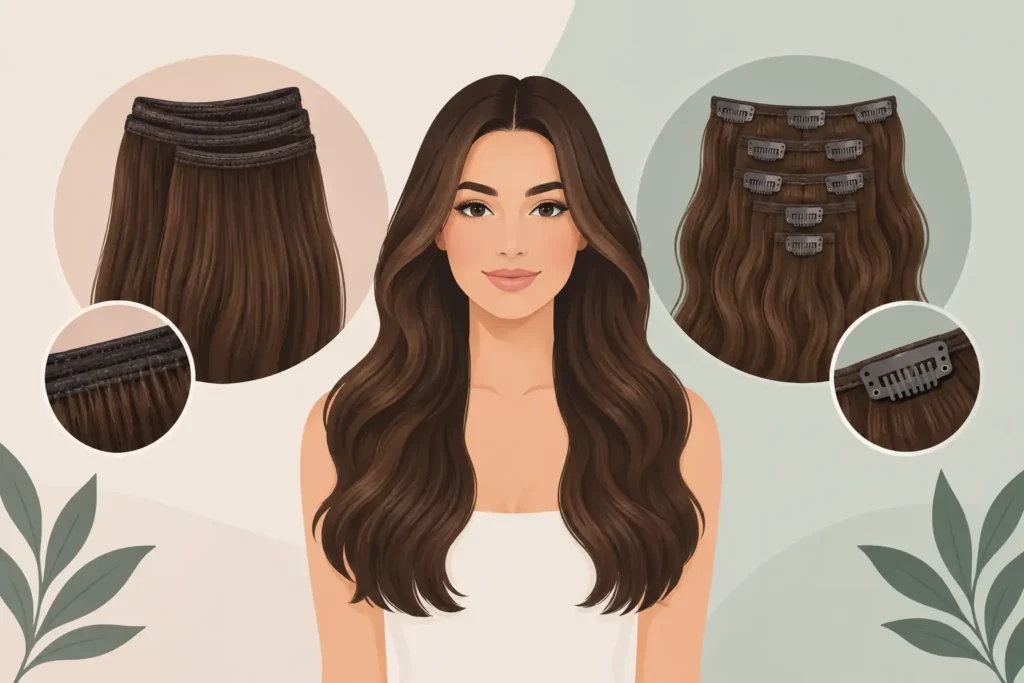
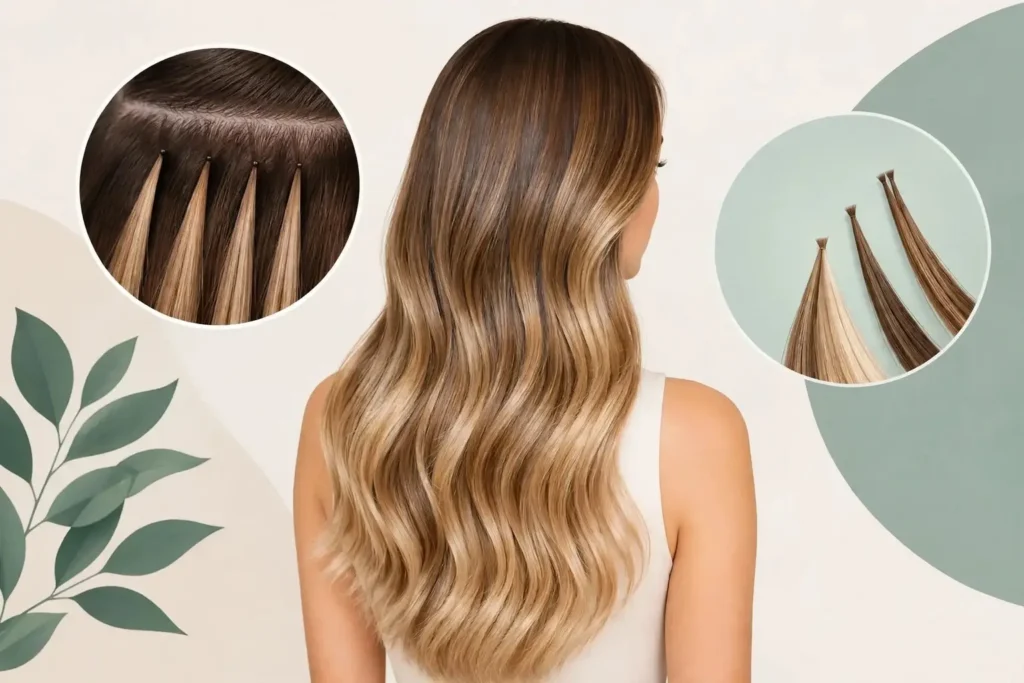
Tape-in hair extensions are thin wefts attached near the roots using specialized adhesive tabs designed for hair extension applications. In a common installation technique, a stylist places a small section of natural hair between two adhesive wefts to create a flat, discreet attachment. The adhesive type and application details depend on the specific extension system. When properly selected and placed, the result can be especially discreet through the sides, nape, and lower layers.
The appeal is clear: installation is generally faster than individual-strand methods, the bonds are broad and low-profile, and the hair can be reused if it remains in excellent condition. Yet a beautiful first-day result is only part of the review. A premium installation should still look balanced after washing, brushing, heat styling, and daily movement.
The most reliable way to judge tape extensions is through four questions: Does the hair still feel soft after several washes? Are the tabs invisible when the client moves naturally? Is the weight appropriate for the density of the natural hair? And is there a clear plan for removal and reinstallation?
Tape-In Hair Extensions: Pros and Cons
Tape-in hair extensions offer several practical advantages. Their flat attachments can create a smooth, discreet finish, and professional installation is often quicker than applying individual keratin bonds. High-quality human hair tapes may also be reused after professional removal and adhesive replacement, provided the hair remains in suitable condition.
However, tape-ins require regular maintenance, careful product application around the adhesive, and thoughtful placement. The panels may be noticeable in certain high ponytails or exposed partings, and they are not suitable for every scalp or hair condition. For clients with fragile, actively shedding, or significantly weakened natural hair, postponing extensions may be the more responsible choice.
The best result depends on balancing these advantages and limitations with your natural hair density, styling habits, and maintenance expectations.
The Hair Quality Determines the Experience
Tape tabs cannot compensate for poorly prepared hair. If extensions have an overly heavy cosmetic coating, they may feel exceptionally silky at first but behave differently after the coating gradually washes away. Hair can then lose its fluid movement, become harder to detangle, or reveal uneven quality from root to tip.
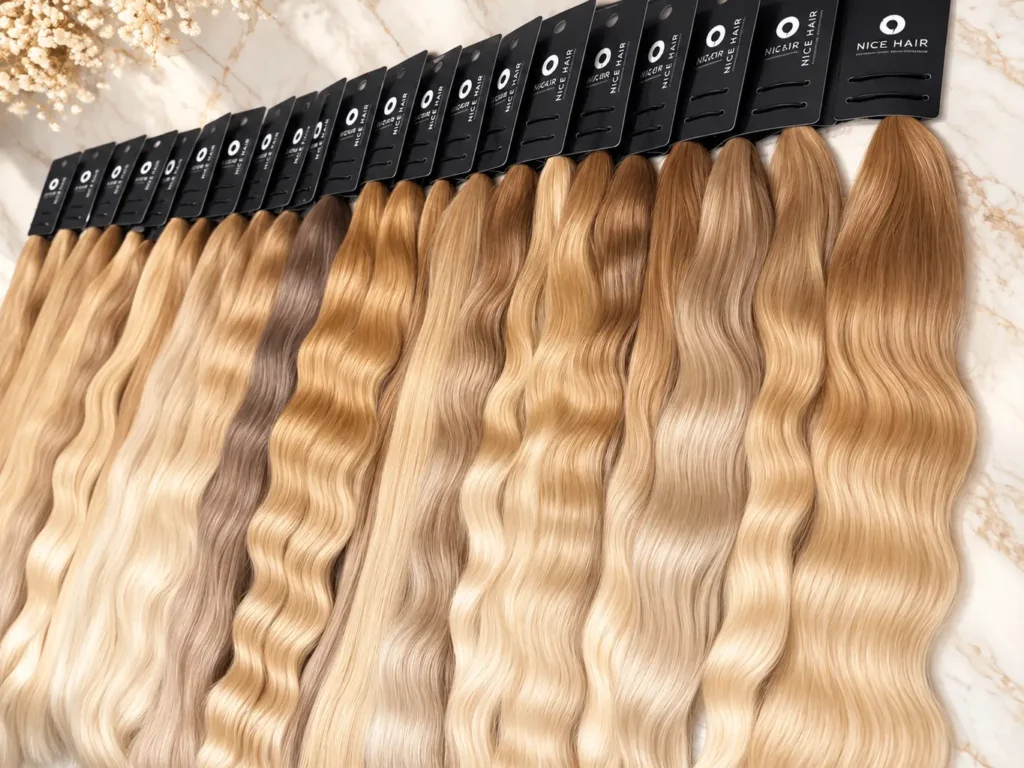
For a refined result, look for aligned cuticles, consistent density, and ends that remain full without feeling artificially bulky. Premium Slavic human hair can offer a soft, natural-looking texture that blends well with many hair types when carefully selected. Both untreated virgin hair and professionally colored Slavic hair may be suitable for high-quality extensions, but their processing histories should be clearly distinguished. The hair should be evaluated for its actual condition, not simply its premium label.
Color processing matters as well. The way human hair is colored and processed can influence its softness, strength, and behavior over time. Carefully controlled processing and transparent product information are important when selecting hair for extensions, especially in lighter or more complex shades. This is particularly important for cool blondes, dimensional brunettes, and delicate highlighted shades, where both tone and softness need to hold up over time.
NICE HAIR combines natural human hair production with experience in professional extension applications. Careful selection of hair quality, shades, textures, and preparation methods helps create extension options for different client needs. When choosing tape-in hair, it is also important to assess the weft construction and adhesive system separately from the quality of the hair itself.
Length, density, and ends should match your goal
A longer length is not always the most convincing choice. If your natural hair is fine and shoulder length, adding very long, dense tapes without enough internal blending can make the lower edge look separate from your own hair. In many cases, a slightly shorter length with the right amount of density looks more expensive because it moves as one silhouette.
The same principle applies to volume. A few well-placed tape pairs can add fullness around the perimeter. A transformation for length and density requires a more detailed placement map, often with multiple shades to recreate the natural variation in your hair. Your stylist should explain what the chosen amount is designed to achieve rather than simply offering one standard set.
The quality of human hair makes a noticeable difference in how tape-in extensions look and feel over time. NICE HAIR produces natural human hair in Russia and works with extension professionals and international buyers. If you’re looking for premium human hair for tape-in extensions, contact our international sales team on WhatsApp to ask about available hair categories, preparation formats, shades, and purchasing options.
Comfort Is About Placement, Not Just Lightweight Tabs
Flat bonds are one of the strongest reasons to consider tape extensions, but flat does not mean pressure-free in every situation. Each section must be proportionate to the amount of natural hair supporting it. Overloading a delicate section may cause tension, while tabs placed too close to the hairline can become visible or feel restrictive when hair is pulled back.
A thoughtful installation leaves room for natural movement. The stylist should consider your parting, cowlicks, hairline density, usual styling habits, and whether you wear your hair in a ponytail or sleek bun. If you spend time in a humid climate, exercise regularly, or swim often, your maintenance expectations should be discussed before installation, not after an adhesive edge begins to lift.
Tape extensions are often a strong choice for medium-density hair that needs added volume or moderate length. They can also work on finer hair when the sections are carefully scaled and placed. For very fragile, highly uneven, or actively shedding hair, the first step may be a consultation focused on hair health rather than immediate installation.
What Daily Wear Actually Feels Like
During the first few days, most clients notice the tabs simply because they are new. Mild awareness is normal. Persistent pain, strong pulling, headaches, or difficulty sleeping are not signs that you should just wait it out. Contact your stylist promptly so the placement can be assessed.
Once settled, well-installed tapes should feel secure while allowing your hair to move naturally. You should be able to brush your roots gently, style the lengths, and wear loose styles without seeing obvious panels. Very high ponytails and sharply placed parts may reveal any extension method, especially in fine hair. A realistic consultation includes these styling limits rather than promising invisibility in every position.
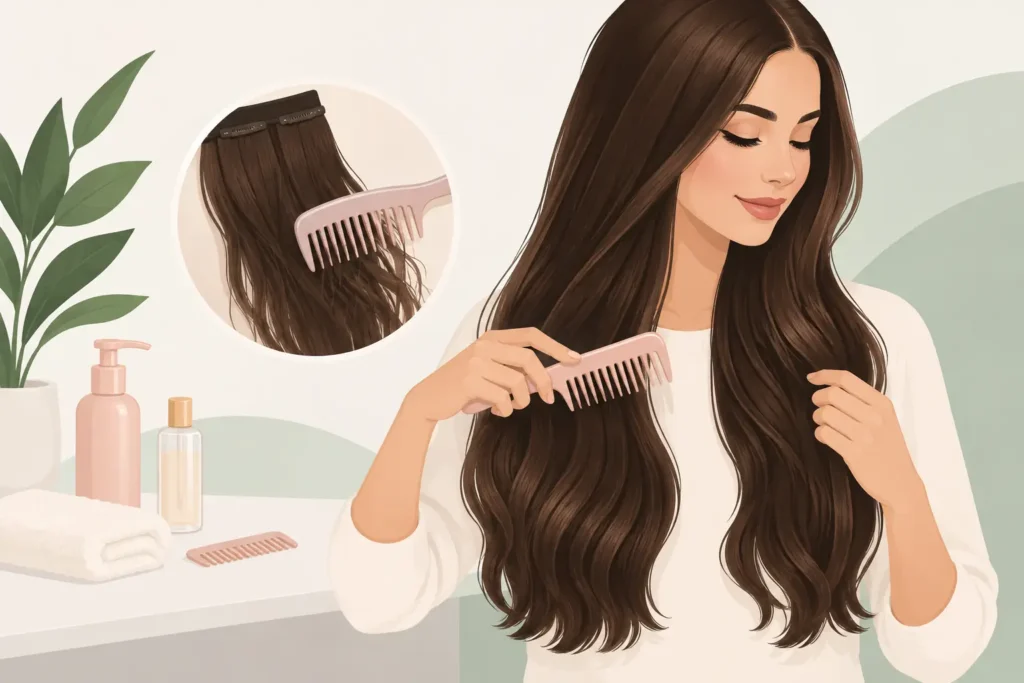
Hair care plays a major role in comfort and longevity. Brush the roots and lengths with an extension-safe brush two or three times daily, supporting the base of the hair with your hand. Keep conditioner, masks, and oils away from the adhesive area. These products are excellent on mid-lengths and ends, but buildup near the tabs can affect adhesion.
Never sleep with damp hair, and keep the hair in a loose braid or low ponytail at night. Before swimming, secure it loosely and rinse afterward. These small habits protect both the hair and the tape tabs from unnecessary tangling and residue.
Maintenance, Reinstallation, and Honest Expectations
Many tape-in extension systems recommend maintenance approximately every six to eight weeks, but the appropriate schedule depends on the specific adhesive system, natural hair growth, scalp condition, and aftercare. Your stylist may recommend an earlier appointment if the attachments become loose, uncomfortable, or difficult to manage. As your natural hair grows, the tabs move farther from the scalp. Waiting too long can make brushing less comfortable and may increase tangling near the roots.
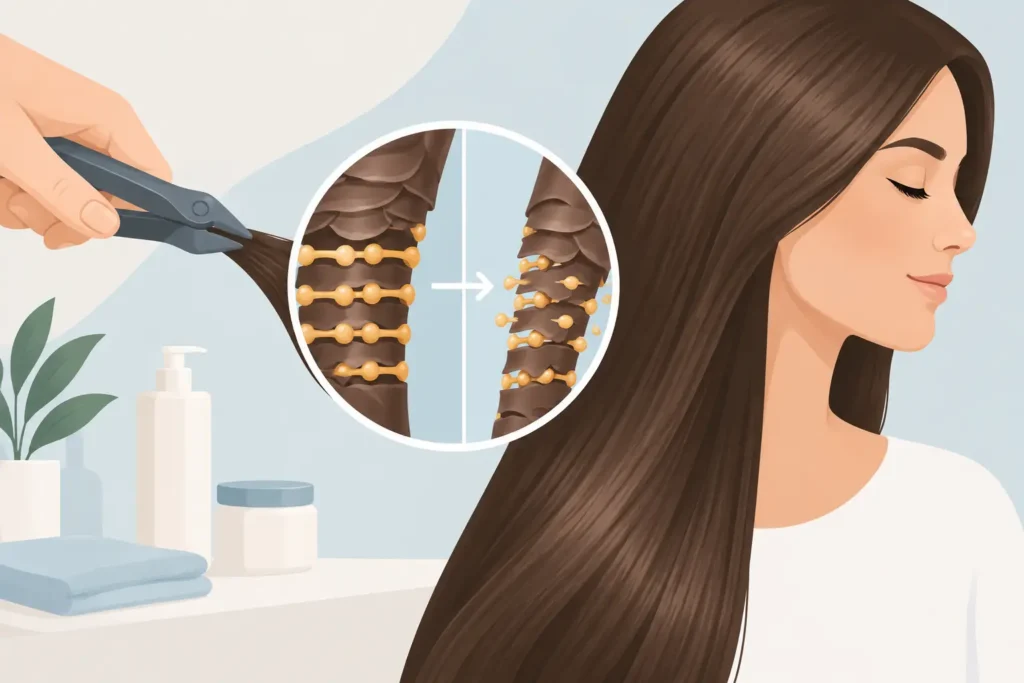
At the maintenance appointment, a professional should use the correct remover, separate the tabs gently, cleanse adhesive residue, assess the condition of each weft, replace the tape, and reinstall the hair in fresh sections. Reusing high-quality hair is possible when it has been cared for properly, but it should never be treated as a guarantee. The honest answer depends on how the hair looks and feels after each wear cycle.
Removal deserves the same attention as installation. Pulling or peeling tape tabs from dry hair risks unnecessary breakage. A trained stylist works slowly, uses the appropriate solution, and checks the natural hair throughout the process. This is one reason salon expertise matters as much as the product itself.
Is Tape the Right Method for You?
Choose tape extensions if you want a smooth, flat finish and appreciate a maintenance rhythm with regular repositioning. They are particularly appealing for clients who want natural-looking fullness, soft length, and a method that can blend elegantly with layered hair.
Consider another format if your priority is maximum freedom for intricate updos, if your scalp is unusually sensitive to adhesives, or if your hair needs a more individualized distribution of weight. There is no single best extension method. The right choice is the one that respects your natural hair while delivering the look you will actually enjoy wearing.
The best tape-in extensions should feel comfortable, blend with your natural hair, and suit the hairstyles you wear every day. If you’re considering tape-in hair extensions in Dubai, NICE HAIR specialists can help assess your natural density, choose a suitable length and color, and explain the maintenance involved. Ask our Dubai team for a personalized consultation on WhatsApp.
Frequently Asked Questions About Tape-In Hair Extensions
Are tape-in hair extensions worth it?
Tape-in hair extensions can be a good choice for people who want fuller, longer hair with relatively flat, discreet attachment points. They are often quicker to install than individual keratin bonds and can create an even distribution of volume. However, they require regular maintenance and may not suit every hairstyle or natural hair condition. Their value depends on hair quality, professional installation, and your lifestyle.
How long do tape-in hair extensions last?
Many tape-in systems require maintenance or repositioning after approximately six to eight weeks, although individual schedules vary. Hair growth, adhesive condition, styling habits, and home care all influence when an appointment is needed. The extension hair itself may remain usable beyond one installation cycle if its condition is suitable. Always follow your stylist’s recommended maintenance schedule.
Are tape-in extensions suitable for fine hair?
Tape-in extensions can work for some people with fine hair because the attachments are flat and can be placed discreetly. However, the stylist must consider natural hair density, strength, and whether enough hair is available to support and conceal the panels. Very fragile, actively shedding, or significantly weakened hair may not be suitable for tape-ins until its condition has been assessed.
Do tape-in hair extensions damage your natural hair?
Tape-in extensions are not necessarily damaging, but no attachment method is completely risk-free. Excessive weight, poor placement, adhesive sensitivity, delayed maintenance, or improper removal may cause discomfort or breakage. Professional installation, appropriate hair quantities, careful aftercare, and controlled removal can help reduce these risks. Persistent pain or pulling should be assessed promptly rather than ignored.
Can tape-in hair extensions be reused after removal?
High-quality human hair tape extensions can often be reused if the hair and weft construction remain in good condition. During professional maintenance, the old adhesive is removed, the extensions are cleaned and assessed, and suitable replacement tape is applied before reinstallation. The number of possible reuses depends on hair quality, processing, daily care, and the condition of the extensions after each wear cycle.
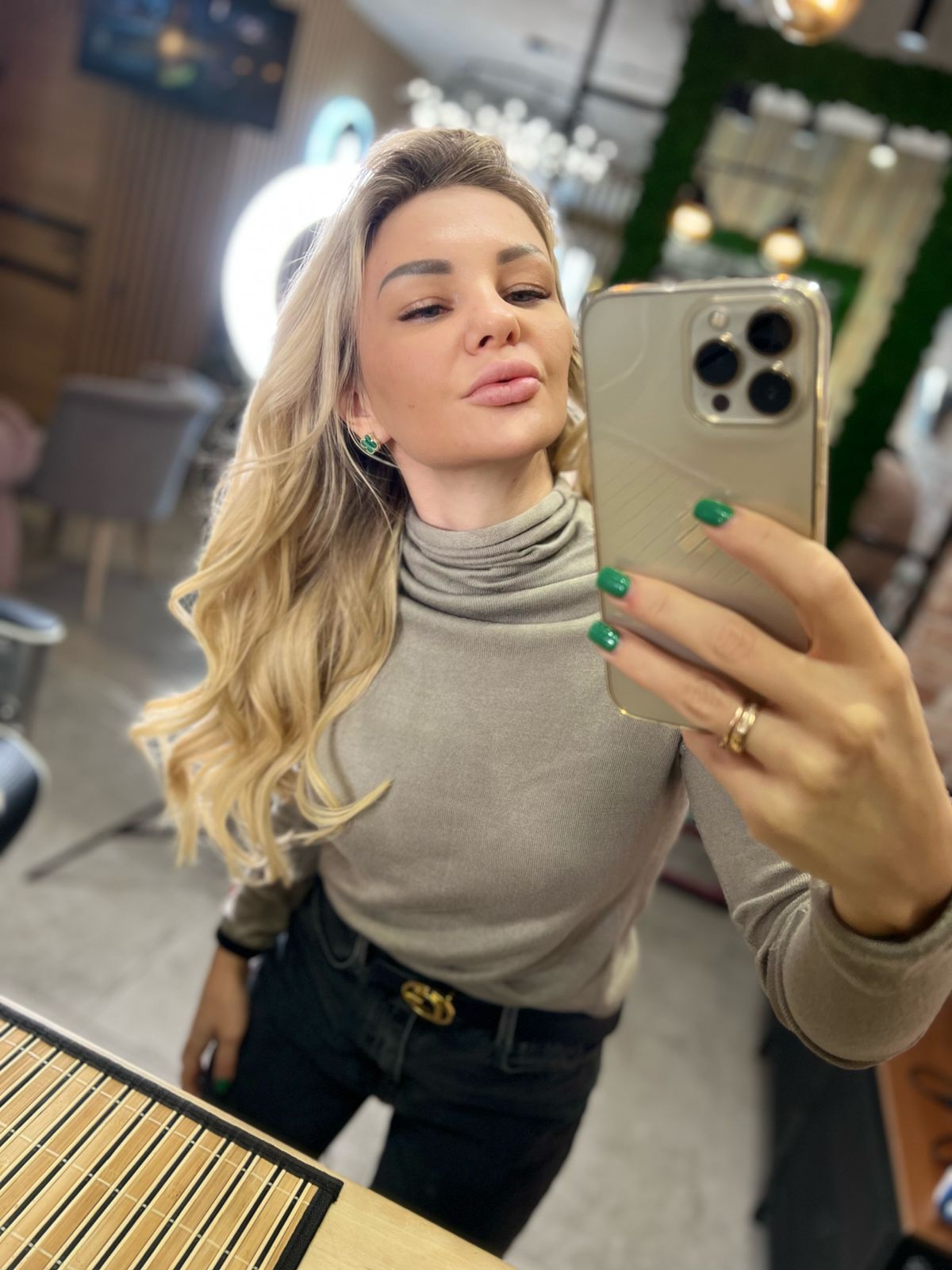
Certified hair extension stylists with 14+ years of experience. Own production of virgin Slavic hair, 10,000+ bundles in stock, salon in Dubai. Specialization: keratin extensions, ethical sourcing Russia & CIS, cold color technology.