A beautiful extension result is not defined by length alone. It is the moment your hair moves, catches the light, and feels like it has always belonged to you. That is why choosing human hair extensions requires more than matching a photo or selecting the longest available length. The origin of the hair, the way it is processed, the quality of the attachment, and the accuracy of the color match all determine what you see in the mirror after the first wash, the first workout, and the first busy week.
For clients who expect an undetectable finish, the right question is not simply, “Which extensions are best?” It is, “Which hair and method are right for my own density, lifestyle, and desired result?”
What Human Hair Extensions Actually Mean
Human hair extensions are made from real hair, but this description alone does not guarantee a premium result. Hair can vary significantly in cuticle alignment, texture, processing history, color treatment, and consistency from one batch to another. Two sets may look similar when first installed, then behave very differently after several washes.
High-quality hair is selected so the cuticles remain aligned in one direction. This helps the strands lie smoothly together, reflect light naturally, and resist unnecessary tangling. It is also why the source and sorting process matter. A manufacturer that controls the raw material can evaluate the hair before it becomes a finished weft, tape, or keratin strand.
Virgin hair is another term worth understanding clearly. It generally refers to hair that has not been chemically processed before collection. However, virgin hair may later be professionally colored to achieve a precise shade. The difference lies in how carefully that color work is performed. Cold-coloring techniques help preserve softness and strength better than aggressive processing, especially for light blondes and custom tones.
Why Hair Origin and Processing Change the Result
The most natural extensions are not only attractive when new. They remain touchable, balanced, and easy to style through normal wear. This begins with responsible sourcing and controlled production rather than relying on vague descriptions or a surface finish that disappears quickly.
Premium Slavic hair is valued for its naturally fine-to-medium texture, soft movement, and broad range of wearable shades. It can blend particularly well with clients whose own hair has a delicate, silky texture. Still, texture matters more than a label alone. Someone with dense, naturally coarse hair may need a different strand weight or format to create a believable blend.
Processing is where much of the invisible quality work happens. Hair must be sorted by length, density, and direction before it is transformed into extensions. The color should be even from root area to ends without making the hair feel dry or overly coated. When strands are handmade into keratin bonds, the capsule itself should be small, clean, and proportionate to the section of natural hair supporting it.
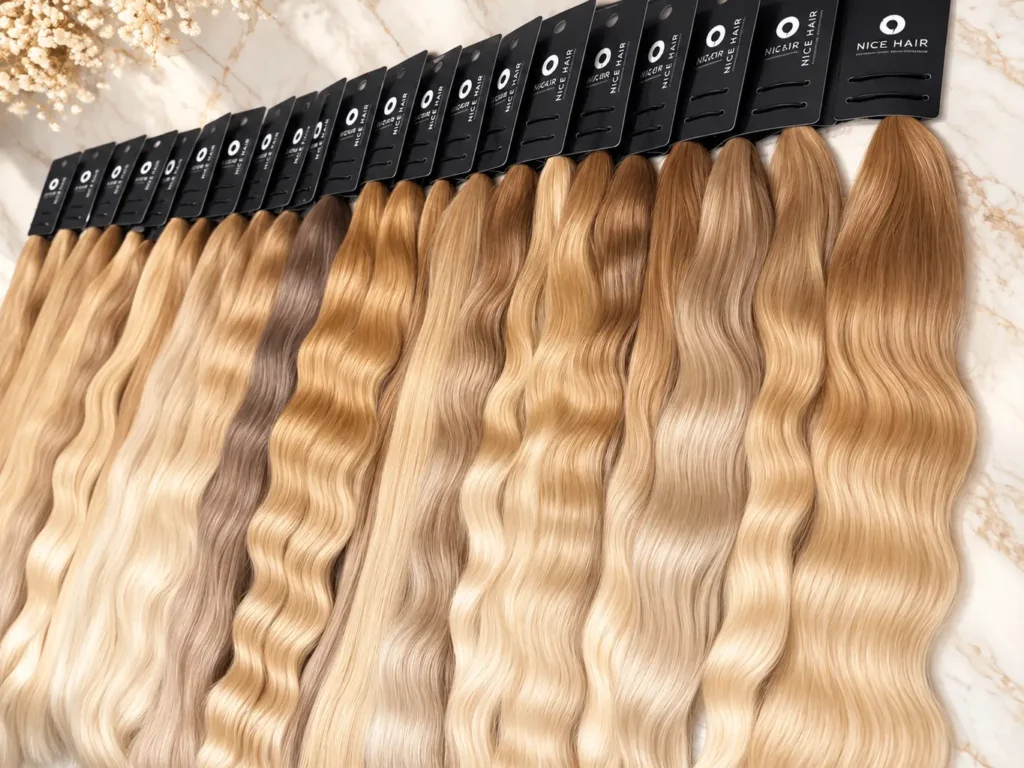
At NICEHAIR, this chain is kept under one standard, from ethically selected hair from Russia and CIS countries to hand-finished strands and controlled cold coloring. For a client, that level of control means fewer unknowns behind the final result.
The Right Method Depends on Your Hair, Not a Trend
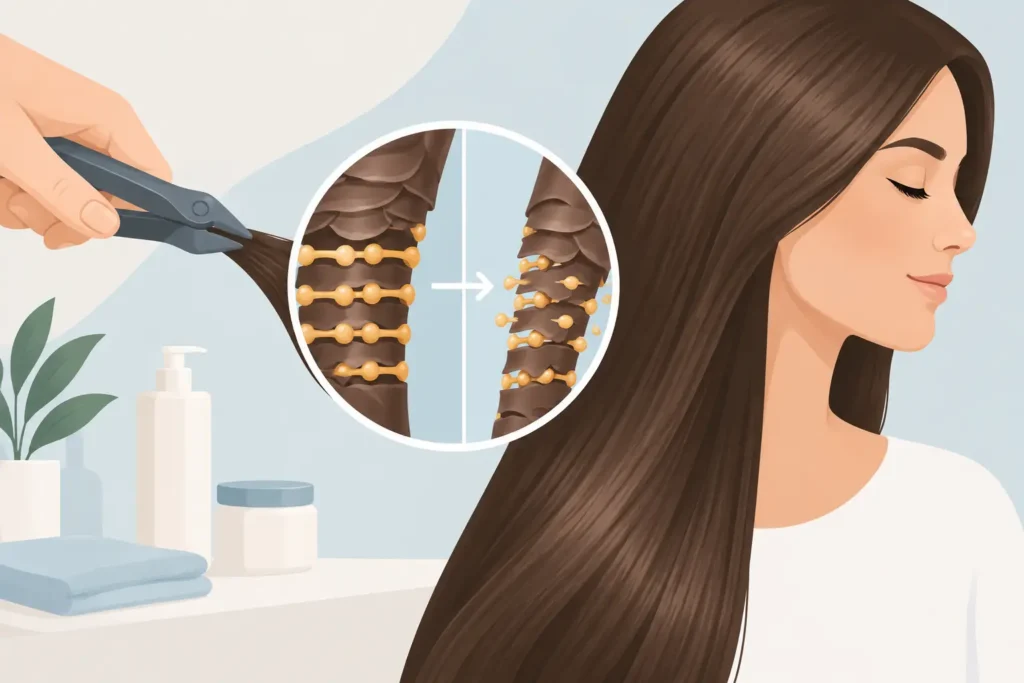
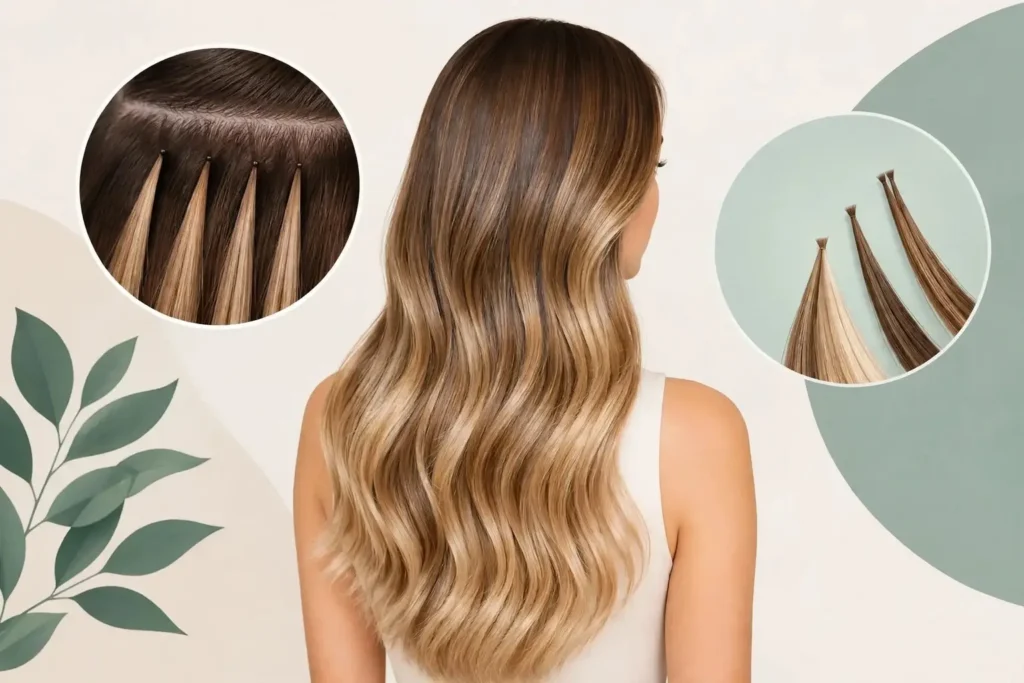
Keratin extensions are often the preferred choice when the goal is a highly customized, nearly invisible result. Individual strands can be placed strategically around the face, through the lengths, or in areas that need more density. Because each bond is tailored to a small section, an experienced stylist can build volume without creating a heavy curtain of hair.
The trade-off is that keratin application and removal should always be performed professionally. The health of your natural hair depends on correct sectioning, proper bond size, and a removal process that does not pull or rush. Keratin extensions are not a one-size-fits-all service, particularly for hair that is very fragile, extremely short, or experiencing active shedding.
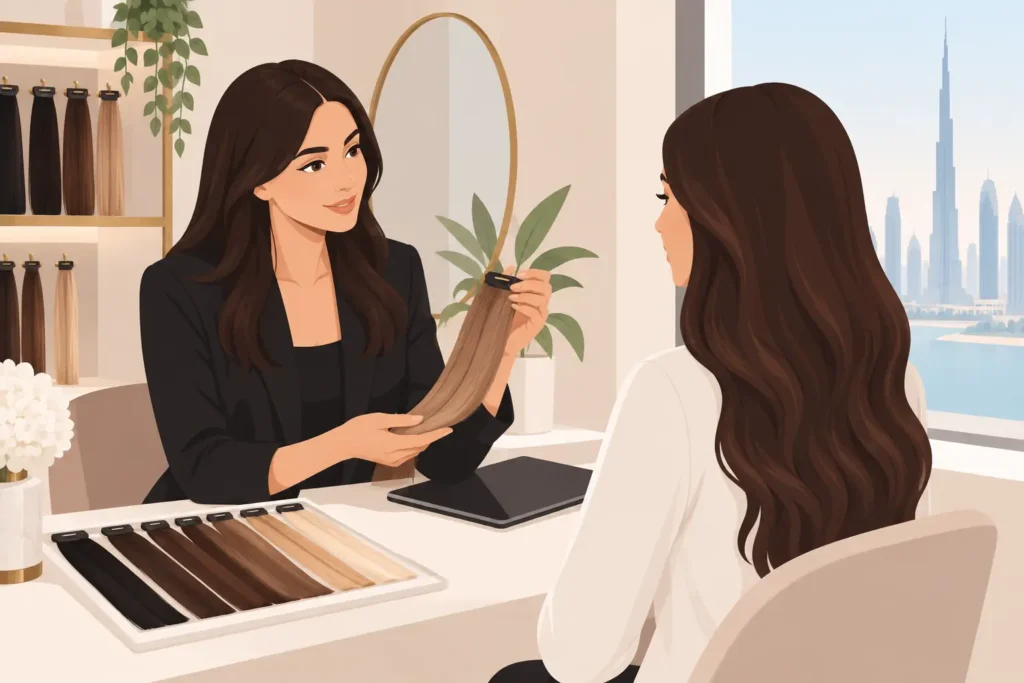
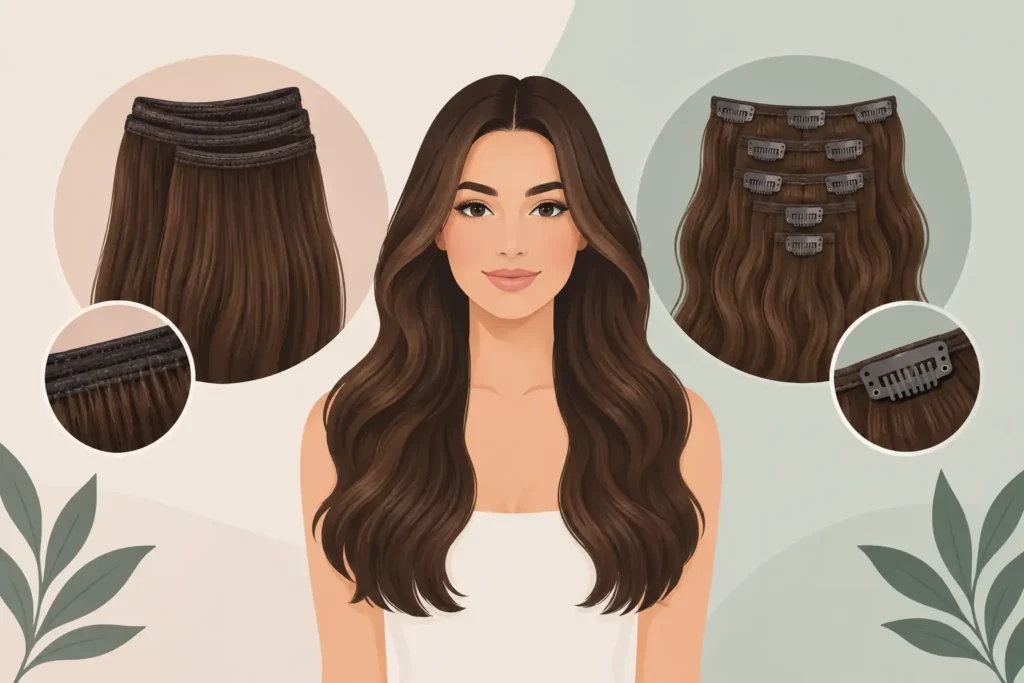
Tapes, wefts, clip-ins, and other formats can also be excellent choices depending on your routine. A client who likes occasional length for events may prefer a removable option. Someone seeking fuller everyday hair may benefit from a salon method that distributes weight evenly. The best choice comes from an in-person or virtual consultation that considers your natural density, scalp comfort, styling habits, and maintenance expectations.
Invisible Bonds Are About Placement
Small bonds do not automatically mean safe or invisible extensions. If a bond is too heavy for the natural section beneath it, it can feel uncomfortable and place unnecessary stress on the hair. If it is placed too close to the hairline, part, or crown, it may become visible even when the capsule itself is tiny.
A refined installation uses clean parting, balanced weight, and enough natural hair around each attachment to allow movement. The stylist should assess how you part your hair, whether you regularly wear it up, and where your hair is naturally finer. This is the detail behind extensions that still look discreet in a ponytail or under Dubai’s bright daylight.
Color Matching Is More Than Finding One Shade
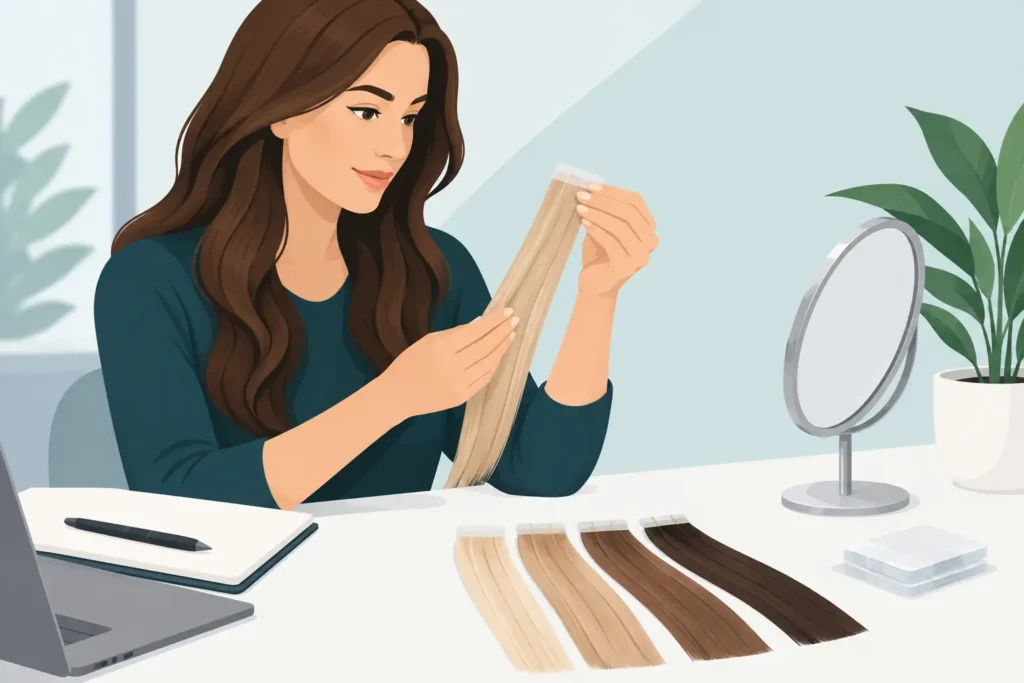
Natural hair is rarely one flat color. Even hair that appears dark brunette can contain warmer lengths, cooler roots, or subtle highlights near the face. A single extension shade may work beautifully, but many of the most convincing results use two or more tones to recreate that depth.
The goal is not to make the extensions look identical as separate strands. It is to make the finished hair read as one complete color. This may mean placing a slightly lighter tone around the face, adding lowlights for dimension, or choosing a shade that matches the mid-lengths instead of the roots.
A proper consultation should also cover the future color plan. If you expect to lighten, tone, or significantly change your natural hair soon, decide this before installation whenever possible. Extensions can be custom-colored by trained professionals, but planning the tone first protects the integrity of both your hair and the added hair.
How to Tell Whether the Hair Is Truly Right for You
Before committing to human hair extensions, ask for clear information rather than broad promises. You should know the hair type, its processing approach, the available formats, and what maintenance your chosen method requires. Real photos in natural light are helpful because they show density at the ends, shine level, and blending more honestly than a heavily edited image.
Pay attention to the ends. Premium hair should not look sparse or abruptly thin compared with the top of the bundle. Run your fingers through it if you are viewing it in person. The strands should feel soft but not artificially slippery, and they should return to a natural fall rather than holding a stiff shape.
For online orders, measurements matter. Length is usually measured from the top of the extension to the ends, but visual length changes with curl pattern and body shape. Consider your starting length, desired finish, and how much hair is needed to make the result blend. Adding length without enough volume can leave a visible line between your natural hair and the extensions.
Care That Protects Both Your Hair and Extensions
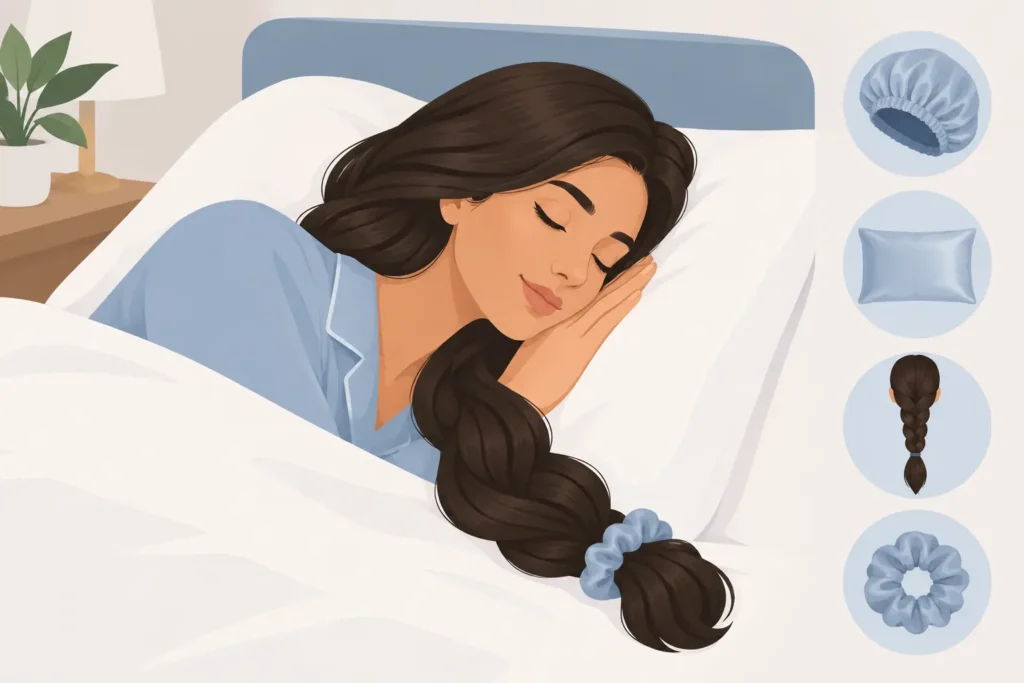
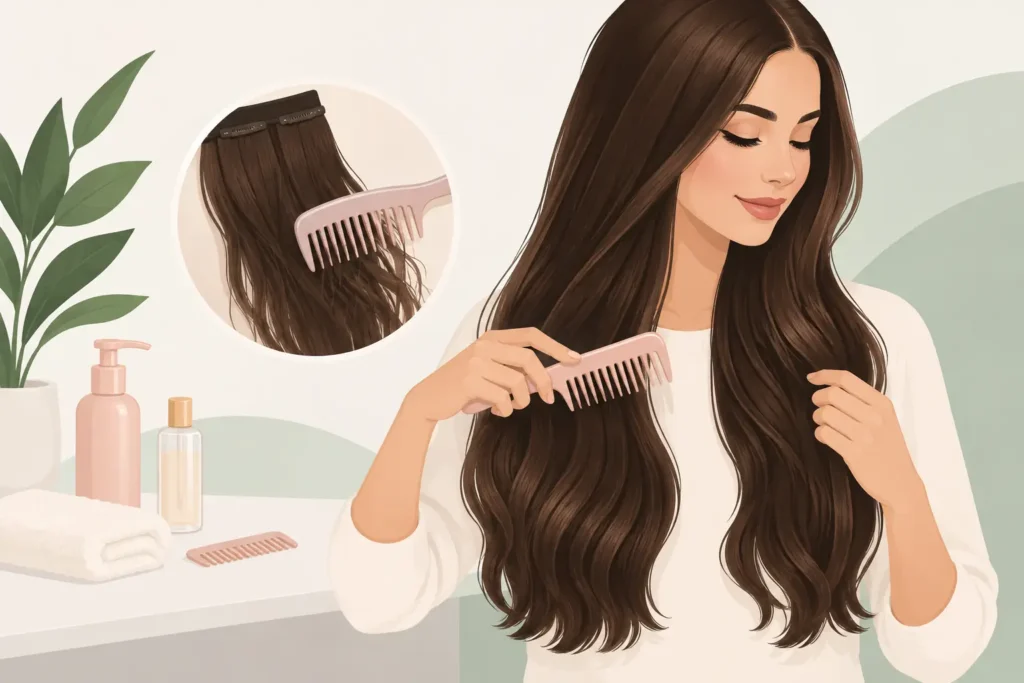
Good extensions should fit into real life, but they do ask for consistent care. Brush gently from the ends upward, supporting the bond area with your hand. Wash without aggressive rubbing, keep conditioner away from attachment points, and dry the roots thoroughly after washing. Sleeping with damp roots is uncomfortable and can make any extension method harder to manage.
Use a soft brush designed for extensions and brush before showering, exercise, and bed. When swimming, secure the hair in a loose braid or low ponytail and rinse it afterward. Heat styling is possible, but use a heat protectant and avoid repeated high temperatures on the same area.
Maintenance is not an inconvenience. It is the routine that preserves a polished result and helps your stylist spot any bonds that need attention before they become a problem. If you feel persistent pulling, notice matting close to the roots, or see a bond slipping, contact your extension specialist rather than trying to correct it at home.
A Result That Looks Like You, Only More
The best extensions do not announce themselves. They give you the confidence to wear your hair down, up, straight, waved, or simply air-dried without checking whether the attachments are showing. That level of ease comes from thoughtful choices made before the installation: quality hair, a method suited to your natural strands, precise color work, and a stylist who respects the health of the hair underneath.
Start with an honest consultation and bring photos of the finish you want, not just the length. The right plan may involve more volume than length, a softer blend around the face, or fewer strands placed with greater precision. When the details are chosen well, your extensions should feel less like an addition and more like your hair at its fullest potential.
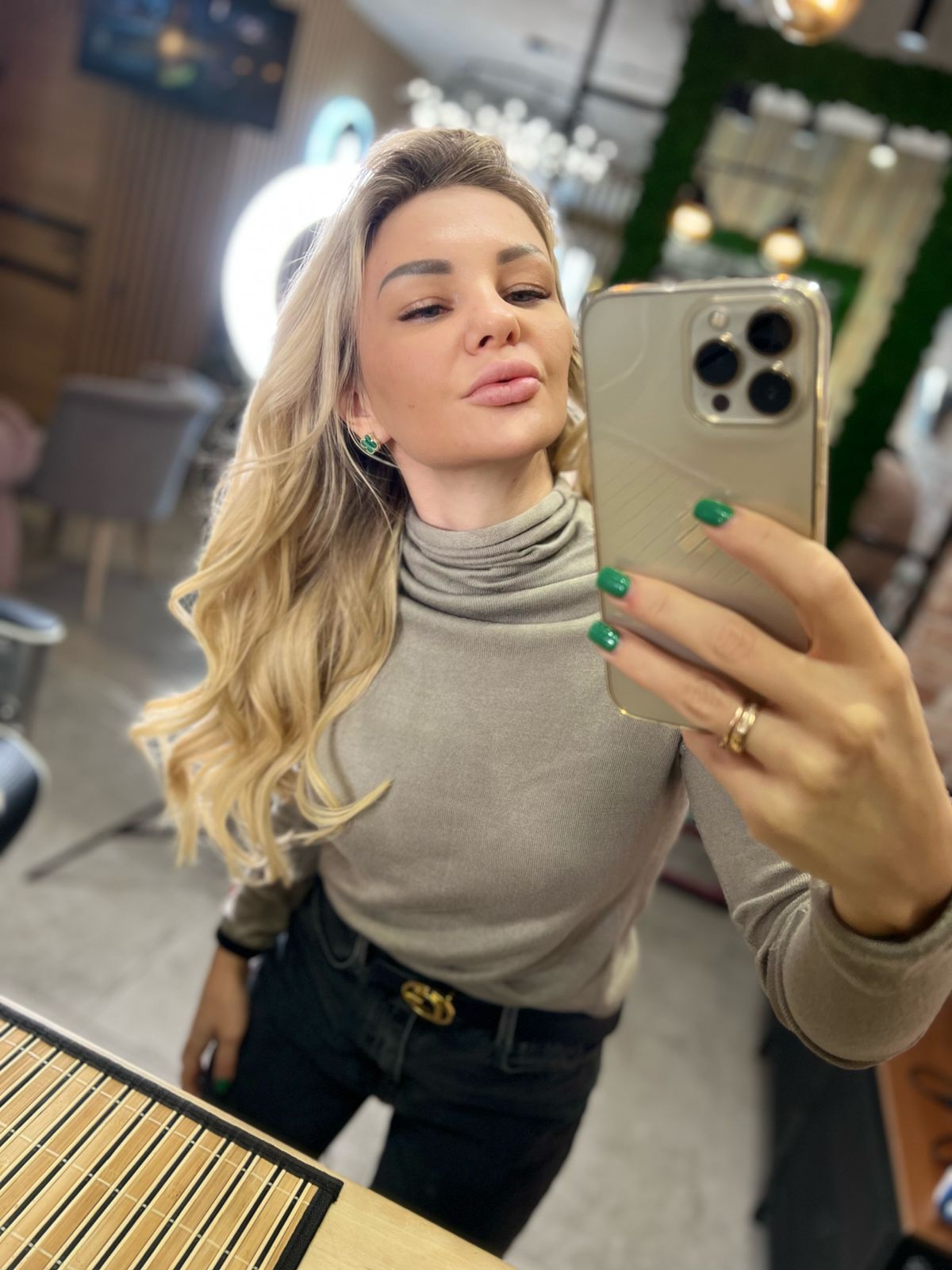
Certified hair extension stylists with 14+ years of experience. Own production of virgin Slavic hair, 10,000+ bundles in stock, salon in Dubai. Specialization: keratin extensions, ethical sourcing Russia & CIS, cold color technology.