Why Choosing the Right Shampoo Matters
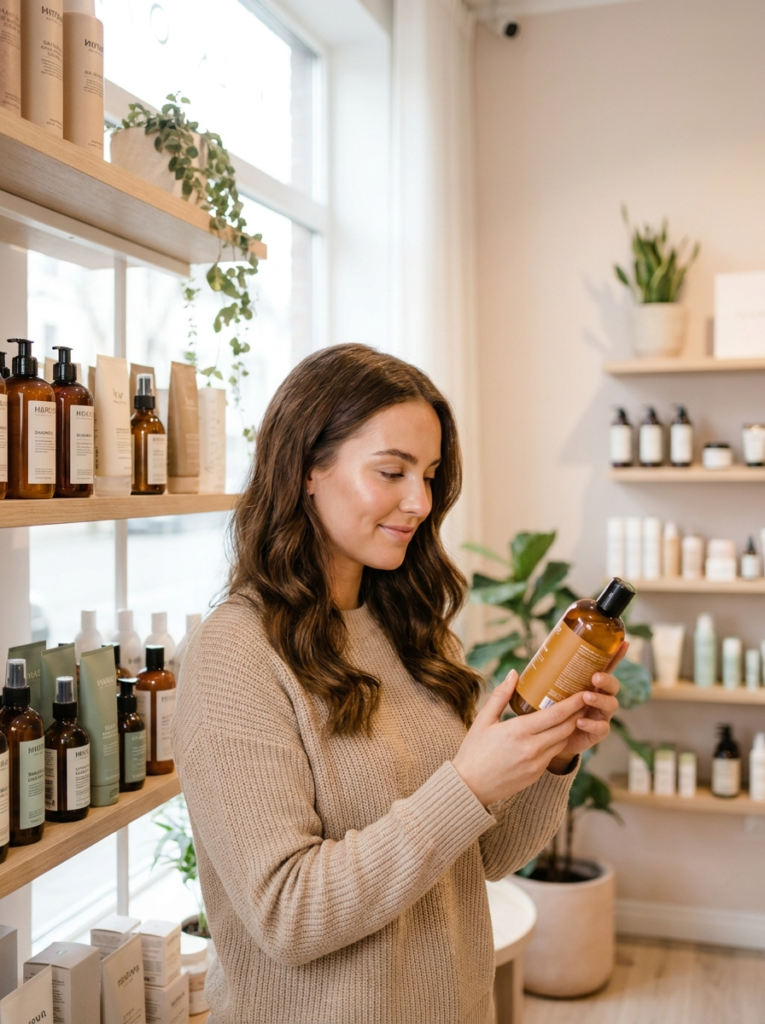
Choosing the right shampoo is more important than most people think. A formula that doesn’t match your scalp and hair type can lead to dryness, irritation, excess oiliness, dullness, frizz, or product buildup. With hundreds of shampoos on the market — from sulfate-free formulas to repairing and volumizing blends — understanding what your hair actually needs is essential.
Shampoo is the foundation of any hair-care routine. Its primary role is to cleanse the scalp, remove excess oil, sweat, and buildup, while maintaining the scalp’s natural balance.
The right shampoo helps support:
- scalp health;
- moisture balance;
- hair strength and elasticity;
- color longevity;
- smoothness and shine;
- volume and texture;
- frizz control.
Using the wrong shampoo consistently can weaken the hair barrier, irritate the scalp, or make hair either excessively dry or overly greasy.
How to Choose the Right Shampoo
1. Identify Your Scalp Type
One of the most common mistakes is choosing shampoo based only on hair texture. In reality, shampoo is designed primarily for the scalp, so understanding your scalp condition should be the first step.
Common signs of oily scalp:
- hair becomes greasy within 24–48 hours;
- flat roots and lack of volume;
- buildup around the scalp;
- oily appearance shortly after washing.
Common signs of dry scalp:
- itchiness;
- tight feeling after washing;
- dry flakes;
- scalp discomfort.
Common signs of sensitive scalp:
- redness;
- burning sensation;
- irritation after washing;
- reactions to fragrances or active ingredients.
2. Consider Your Hair Type
Once you identify your scalp type, the next step is choosing a formula that supports your hair texture and condition.
Fine or Thin Hair
Fine hair tends to lose volume quickly and can become weighed down easily.
Best shampoo types:
- volumizing shampoos;
- lightweight strengthening formulas;
- protein-enriched cleansers.
Curly or Wavy Hair
Curly hair is naturally more prone to dryness and frizz because natural oils have a harder time traveling down the hair shaft.
Best shampoo types:
- moisturizing sulfate-free shampoos;
- curl-enhancing formulas;
- anti-frizz cleansers.
Ingredients to look for:
- coconut milk;
- aloe vera;
- glycerin;
- flaxseed;
- curl-friendly oils.
Color-Treated Hair
Colored hair requires gentle cleansing to preserve pigment and reduce fading.
Best shampoo types:
- color-safe shampoos;
- sulfate-free formulas;
- antioxidant-rich cleansers.
Ingredients to look for:
- vitamin E;
- green tea extract;
- UV filters;
- antioxidants.
Clarifying shampoos should be used carefully on color-treated hair, as they may strip color faster.
Damaged or Weak Hair
Hair damaged by coloring, heat styling, bleaching, or chemical treatments needs strengthening and protection.
Best shampoo types:
- repairing shampoos;
- reconstructing formulas;
- protein-balancing cleansers.
Ingredients to look for:
- keratin;
- biotin;
- amino acids;
- ceramides;
- hydrolyzed proteins.
While shampoo alone cannot fully repair damaged hair, it can help minimize breakage and improve overall hair condition.
How to Know If Your Shampoo Is Right for You
A suitable shampoo should leave your hair and scalp feeling balanced and comfortable.
Signs your shampoo works well:
- scalp feels clean but not tight;
- hair remains soft and manageable;
- no itching or irritation;
- roots maintain freshness;
- hair looks healthy and shiny;
- no excessive dryness or heaviness.
If you notice increased oiliness, irritation, dullness, or dryness after several uses, it may be time to switch formulas.
Final Thoughts
Choosing the right shampoo is not about following trends or buying the most expensive product. The best shampoo is the one that matches your scalp condition, hair type, and specific hair concerns.
A properly selected shampoo helps maintain scalp balance, protects hair health, and improves the overall appearance of your hair over time. By understanding ingredients and recognizing your hair’s real needs, you can build a more effective and healthier hair-care routine.
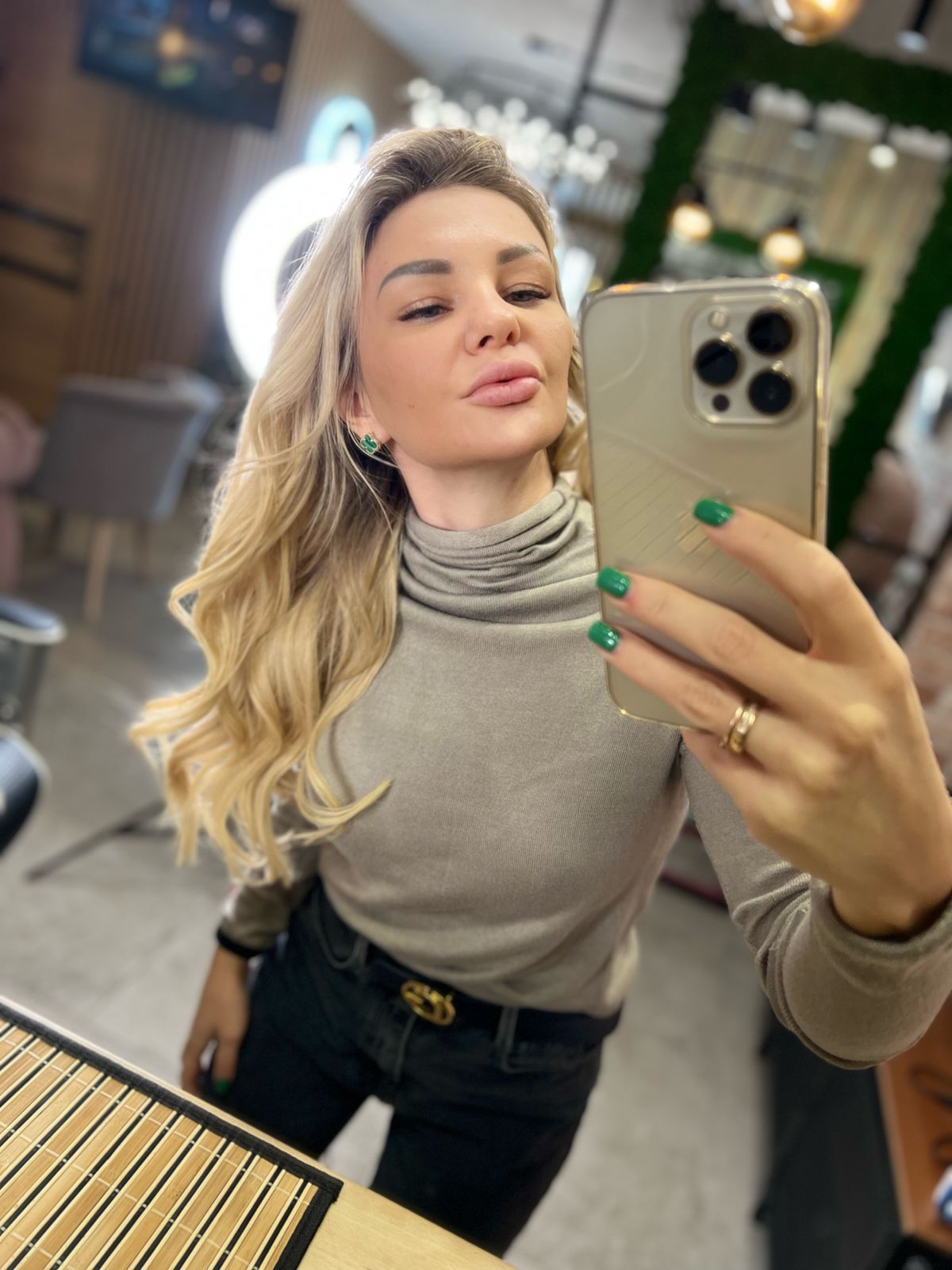
Certified hair extension stylists with 14+ years of experience. Own production of virgin Slavic hair, 10,000+ bundles in stock, salon in Dubai. Specialization: keratin extensions, ethical sourcing Russia & CIS, cold color technology.